Ivorian lawyers demand decisive reforms to prevent protest crackdowns under anti-terror law
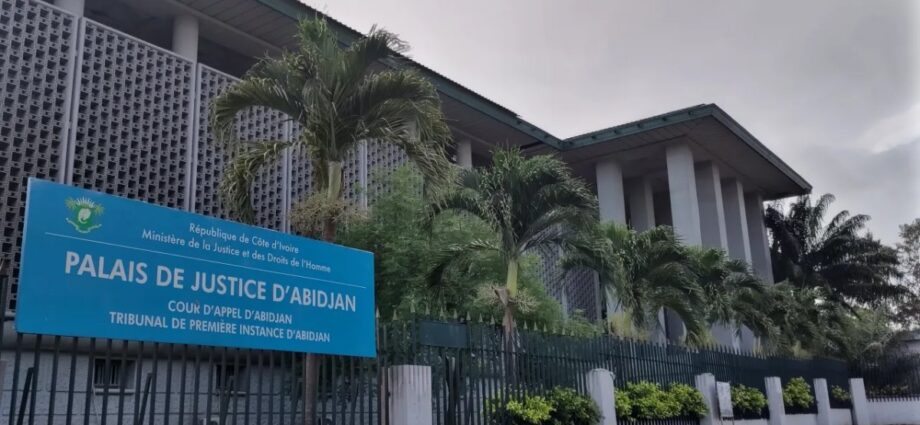
The head of Côte d’Ivoire’s Bar Association, Florence Loan Messan, has called for urgent reforms to the country’s anti-terrorism legislation during a landmark address to the Abidjan Court of Appeal. Her proposals mark a significant turning point in the ongoing debate over how dissent is policed, aiming to prevent legitimate political protests from being misclassified as terrorist acts.
Redefining terrorism: separating genuine threats from political expression
Me Loan Messan’s first major proposal targets the ambiguous definition of terrorism in Ivorian law. She argues that political, religious, or ideological motivations should not serve as standalone triggers for terrorism charges. Instead, these factors should only be considered after establishing clear criminal intent.
Under current law—particularly Article 3 of the 2015 act (amended in June 2024)—any act causing significant harm to public safety or property is punishable by life imprisonment if committed to promote a political, religious, or ideological cause. Loan Messan warns this creates dangerous ambiguity. She cites the hypothetical example of a protester throwing a stone at a bus while shouting a candidate’s name. While the act itself may warrant punishment, she insists it should not automatically escalate to terrorism charges with disproportionate penalties.
Protecting dissent: when protests become criminalized under anti-terror laws
The Bar Association’s second key demand is to explicitly exclude peaceful demonstrations, strikes, and acts of civil disobedience from anti-terror prosecution—provided they do not threaten lives. Loan Messan highlighted cases where post-election protesters remain detained under terrorism-related charges, despite no evidence of violence or lethal intent.
This push comes amid growing concerns that the anti-terror framework is being weaponized against political opponents. She emphasized that the right to peaceful assembly must be preserved as a fundamental democratic principle, not conflated with national security threats.
Digital dissent in the crosshairs: balancing free speech with public order
Loan Messan also addressed the rise of online speech prosecutions, urging judges to assess the context and impact of digital statements. She cautioned against criminalizing controversial opinions when they fall within the bounds of free expression. Her remarks reflect a broader recognition that digital dissent must be evaluated through a legal—rather than political—lens.
Next steps: collaboration with government to forge a balanced path forward
While acknowledging the real threats posed by groups like those responsible for the 2016 Grand-Bassam and Kafolo attacks, Me Loan Messan proposed a joint working group with the Ministry of Justice to refine the legal framework. Though no immediate reforms were announced, her intervention signals a growing consensus that Côte d’Ivoire’s anti-terror laws require recalibration to protect legitimate dissent while preserving national security.
The Bar Association’s call for reform arrives at a critical juncture, where legal overreach risks undermining public trust in both the justice system and democratic institutions. With her proposals, Loan Messan is advocating for a turning point—one where the law serves justice, not repression.
Comments are closed, but trackbacks and pingbacks are open.