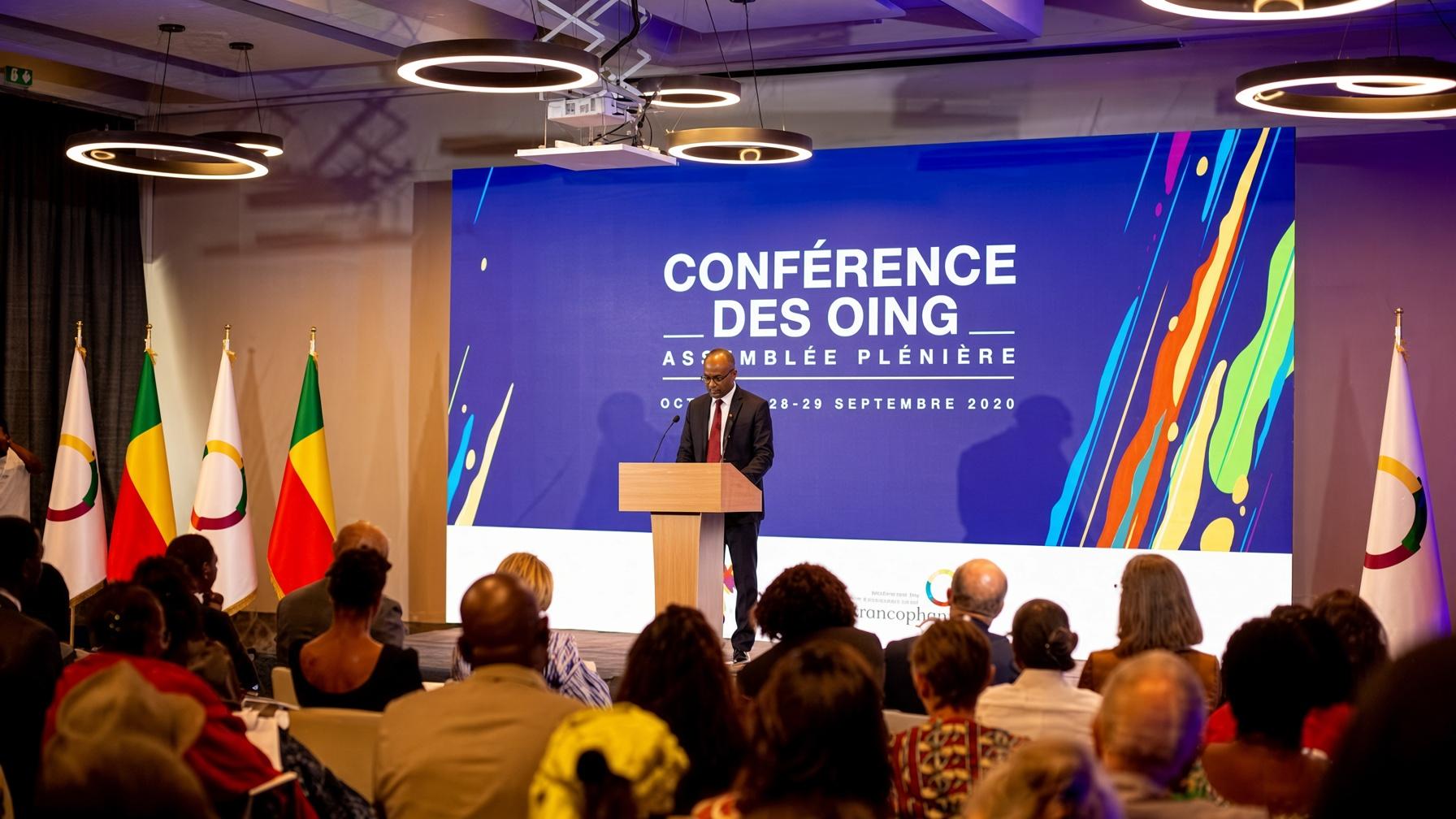
Two days of intense debate in Cotonou have left the francophone civil society with a clear challenge for the region’s governments: the commitments made in Benin must now be turned into concrete action before the leaders gather in Cambodia. The 16th ordinary plenary assembly of the Conference of International Non-Governmental Organisations (COING) of La Francophonie opened on September 28, 2026, in Cotonou, bringing together civil society actors from across the French-speaking world to shape their contribution ahead of the 20th Francophonie Summit, scheduled for November 15-16 in Cambodia, and to set the 2026-2028 roadmap. But as the meeting closed, the dominant question was not what was said, but what happens next.
Beyond the speeches: what the Cotonou assembly actually changed
Held under the theme “Reinvesting in peace, mobilising francophone civil society for shared prosperity, resilient territories and lasting stability”, the gathering made one point abundantly clear: peace is not merely the absence of war. It requires social justice, access to basic services, mediation, defence of human rights and resilience in the face of economic and security crises. For many participants, the real test will be whether these principles survive the journey from conference hall to national policy.
A stronger demand for citizen participation
Delegates pushed for closer cooperation between states, parliamentarians and NGOs. Arguing that grassroots organisations are closest to the realities on the ground, they called for a greater role in the decision-making processes of the International Organisation of La Francophonie (OIF). The goal, they insist, is to transform local recommendations into tangible public policies — not to leave them on the shelf.
A pragmatic roadmap for 2026-2028
The Cotonou assembly set out to build a more operational COING. Its priorities include:
- Consolidating networks: structuring synergies between francophone NGOs.
- Mobilising resources: developing strategic financial and technical partnerships.
- Tracking impact: measuring the concrete effects of actions within communities.
By hosting this session, Benin reaffirmed its key role in francophone dialogue. Yet the underlying tension was palpable: will these priorities be embraced by the institutions that hold the purse strings and the power to legislate?
Reactions and the road to Cambodia
With only weeks to go before the Cambodia summit, the civil society gathered in Cotonou sent an unambiguous message: the future of La Francophonie cannot be built without the active involvement of citizens and their representatives. The coming months will reveal whether that message translates into influence — or remains a footnote in the summit’s final declaration.
Comments are closed, but trackbacks and pingbacks are open.