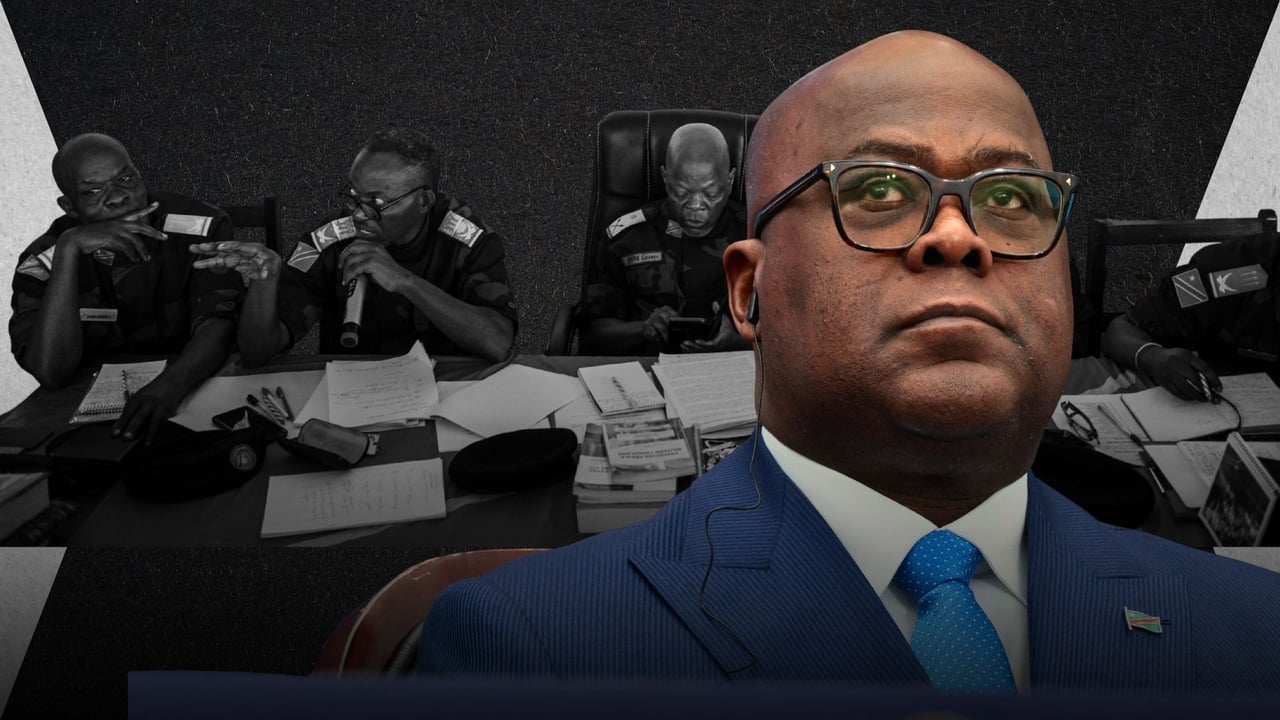
Controversy Surrounds Revival of Capital Punishment in the Democratic Republic of Congo
Debates are intensifying across the Democratic Republic of Congo as discussions about reinstating the death penalty gain momentum. The controversial sanction, which has been dormant for decades, is now at the center of political and societal conversations. Proponents argue for its return as a deterrent against rising crime rates, while opponents warn of its potential misuse and ethical implications.
The last execution in the country occurred over two decades ago, leaving the legal framework for the death penalty in a state of ambiguity. Current discussions are probing whether the Democratic Republic of Congo should reintroduce this extreme form of punishment, a move that could reshape the nation’s judicial landscape.
Key Arguments For and Against the Death Penalty
The debate is sharply divided between those who advocate for stricter penalties to curb violent crime and those who emphasize the need for restorative justice. Supporters of the death penalty point to cases of heinous crimes, including murder and terrorism, as justification for its reinstatement. They argue that the fear of execution could serve as a powerful deterrent, potentially reducing violent offenses.
Opponents, however, highlight the irreversible nature of the death penalty and the risk of judicial errors. They also raise concerns about its disproportionate application, particularly against marginalized communities. Many human rights advocates stress that life imprisonment offers a more humane and reformative alternative.
Legal and Political Implications
The Democratic Republic of Congo’s constitution currently does not explicitly abolish the death penalty, leaving the door open for its potential revival. However, the absence of recent executions has led to a legal gray area. Political leaders are now weighing the moral and practical consequences of reinstating such a severe punishment in a nation still grappling with instability and corruption.
As the conversation evolves, the government faces pressure to clarify its stance on capital punishment. The decision could have far-reaching consequences for the country’s justice system and international standing, particularly in human rights circles.
Public Reaction and Civil Society’s Role
Civil society organizations and religious groups are playing a pivotal role in shaping public opinion. Protests and awareness campaigns are emerging, with activists urging policymakers to consider alternatives that prioritize justice over retribution. Meanwhile, families of crime victims are divided, with some advocating for the death penalty as a form of closure and others opposing it on ethical grounds.
The debate over the death penalty in the Democratic Republic of Congo reflects broader tensions between justice, morality, and governance. As the nation navigates this contentious issue, the outcome could redefine its approach to crime and punishment for generations to come.
Comments are closed, but trackbacks and pingbacks are open.