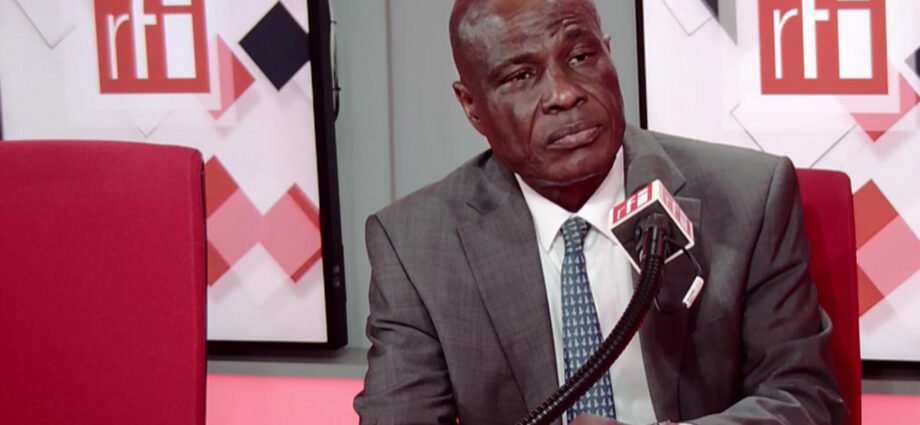
Democratic Republic of Congo: Martin Fayulu charts decisive opposition path as political tensions escalate
In a major shift for the Democratic Republic of Congo’s political landscape, opposition leader Martin Fayulu has intensified his criticism of President Félix Tshisekedi and former President Joseph Kabila. Fayulu, representing the C64 coalition, is spearheading a bold new strategy to challenge what he calls an increasingly restricted political environment and demand concrete commitments from both leaders.
New opposition strategy takes shape amid mounting political pressure
The C64 coalition, which Fayulu leads as president of the ECiDé party, is taking direct aim at what it describes as a shrinking democratic space in the DRC. The coalition has proposed separate meetings with both President Tshisekedi and former President Kabila, seeking assurances that constitutional changes won’t be used to extend political mandates or consolidate power. This represents a significant escalation in the opposition’s approach, moving beyond traditional rhetoric to concrete action.
Fayulu has also embarked on a European tour to rally international support for the coalition’s demands. The goal is clear: secure commitments from Western partners that will pressure Kinshasa to respect democratic norms and open genuine dialogue with opposition forces.
International alliances become critical in opposition push
The coalition’s diplomatic offensive in Europe reflects a calculated shift in strategy. By engaging with European governments and institutions, Fayulu aims to:
- Highlight the shrinking political freedoms in the DRC
- Mobilize international pressure against constitutional manipulation
- Secure concrete guarantees for opposition participation in national dialogue
- Counterbalance what the coalition views as an imbalance of power in domestic politics
This European outreach comes at a crucial moment, as President Tshisekedi continues to promote his national dialogue initiative while facing criticism over its preparation and inclusiveness.
The arrest of Prince Epenge and its consequences
The recent detention of prominent opposition figure Prince Epenge has further galvanized the C64 coalition’s position. Fayulu and his allies argue that such arrests demonstrate a concerning pattern of political repression that threatens to derail any meaningful democratic progress in the country. The coalition sees these developments as direct evidence of the need for urgent international intervention and safeguards for opposition leaders.
The combination of domestic crackdowns and international engagement presents a pivotal moment for the DRC’s political future. Martin Fayulu’s leadership is positioning the opposition not just as critics, but as proactive architects of change who are determined to reshape the country’s political trajectory through both domestic pressure and international alliances.
What concrete outcomes is the opposition demanding?
The C64 coalition has outlined specific commitments it seeks from both President Tshisekedi and former President Kabila, including:
- Guarantees against constitutional manipulation to prevent power consolidation
- Immediate release of detained opposition figures including Prince Epenge
- Inclusive national dialogue with meaningful opposition participation
- International monitoring mechanisms to ensure fair implementation of any agreements
These demands reflect a fundamental rethinking of opposition strategy in the DRC, moving from reactive criticism to proactive demands backed by international pressure and coordinated action.
A turning point for Congolese democracy
Martin Fayulu’s current approach represents more than just opposition politics—it signals what could be a fundamental turning point for democracy in the Democratic Republic of Congo. By combining domestic pressure with strategic international engagement, the C64 coalition is attempting to shift the balance of power and create new pathways for democratic reform.
The coming weeks and months will reveal whether this decisive action will be enough to force meaningful change in Kinshasa. What is clear is that the opposition, under Fayulu’s leadership, is no longer content to simply react to events. Instead, it is charting a bold new course designed to reshape the country’s political landscape and restore democratic principles to the center of Congolese governance.
Comments are closed, but trackbacks and pingbacks are open.