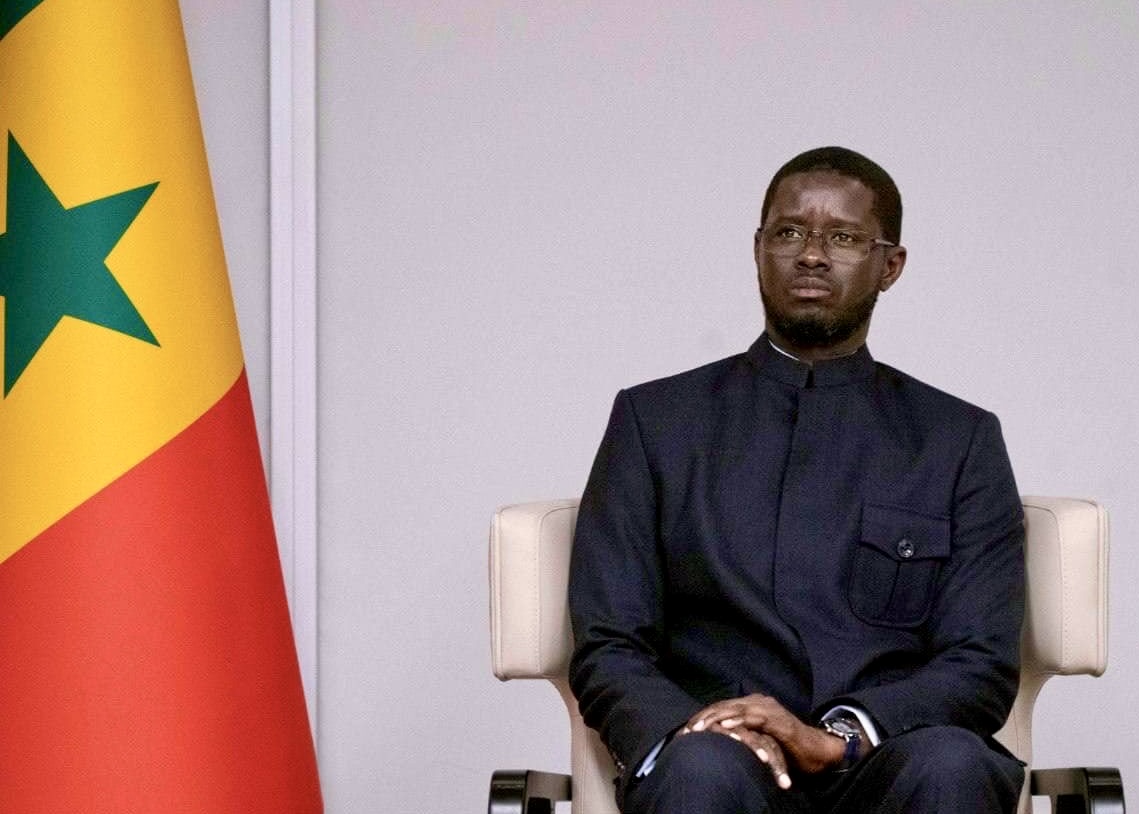
President Bassirou Diomaye Faye of Senegal has formally inaugurated his new political party, Kiiraay, marking a definitive break from his former mentor and ex-Prime Minister Ousmane Sonko. The announcement came during a high-profile gathering in Dakar, where hundreds of supporters gathered both inside and outside the venue, waving banners and wearing scarves emblazoned with “Vive Diomaye”.
The new party, whose name translates to “protection” or “shield” in Wolof, was unveiled with a slogan emphasizing “Patriotic Republicans”, rooted in principles of republicanism, ethics, transparency, fraternity, and hard work. Outside the venue, Mamo Khady Sall, a 43-year-old resident of the Dakar suburb Yeumbeul, expressed her support for the president, describing him as a “man of peace” and openly criticizing Sonko, whom she refused to name.
From alliance to rivalry: a political split
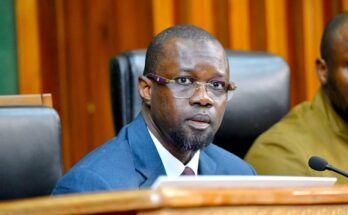
Faye and Sonko, once close allies within the panafricanist party Pastef, had initially united to challenge former President Macky Sall’s administration, promising economic transformation, social justice, and an end to corruption. Sonko, a charismatic figure, had rallied widespread youth support during this period. However, after Faye assumed the presidency in 2024, tensions arose over governance and policy differences, culminating in Sonko’s dismissal as Prime Minister in May 2026.
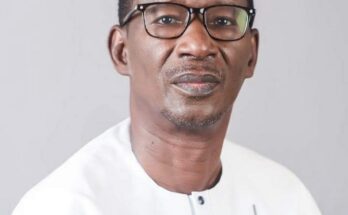
Economist and financial engineer Ibra Faye (no relation to the president) shared his perspective on the situation, stating, “After two years in power, it became clear that the changes demanded could not be achieved within the existing framework of the Pastef party.”
Kiiraay: a majority force in Senegalese politics
At the launch event, President Faye declared Kiiraay as the “majority party in this country,” emphasizing its growing influence among mayors, sector leaders, and civil society figures. Several former Pastef members have already defected to join the new party, and a formal congress is scheduled post the country’s summer rainy season. Faye’s political rise is deeply tied to Sonko, who was barred from running in the 2024 presidential election due to a defamation conviction, paving the way for Faye’s victory.
Policy disputes and constitutional tensions
The rift between the two leaders intensified over disagreements on addressing Senegal’s public debt crisis and other governance issues. In response, the National Assembly, led by Sonko, passed a controversial bill in late June to curb presidential powers—including prohibiting the head of state from leading a political party or coalition. However, the Constitutional Council struck down the measure within two weeks, underscoring the ongoing power struggle.