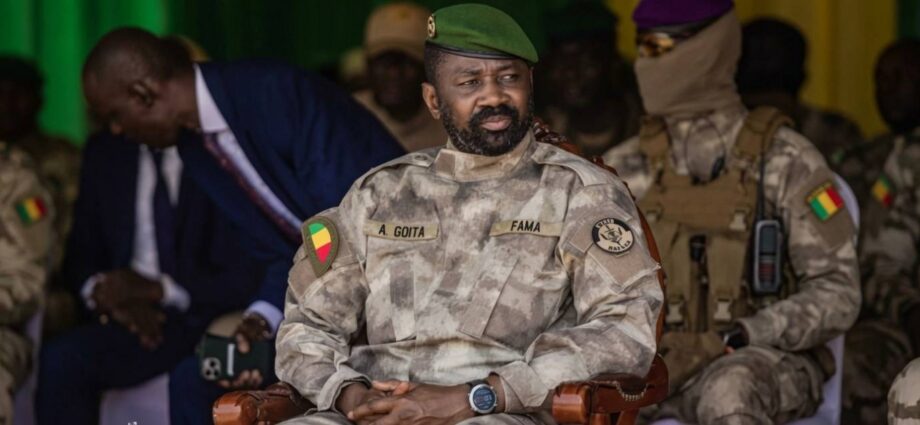
The UN pullout handed Mali’s junta a green light for war crimes, critics warn
Mali’s military rulers declared victory over jihadist insurgents months after they pushed the UN peacekeeping force out of the country. Today, that victory is measured not in security gained, but in bodies piling up in villages the army claims to have ‘liberated’.
Geneva Conventions exist on paper—but vanish in the Sahel dust
The Malian Armed Forces and their Russian-linked Africa Corps allies are bound by the 1965 Geneva Conventions and the 1989 Additional Protocols. Formal orders still require soldiers to distinguish civilians from fighters, ban degrading treatment, and protect detainees. Reality on the ground tells a different story.
Interrogation logs leaked from a Gao barracks describe torture by electrocution and near-drowning sessions. Satellite images show freshly bulldozed hamlets in central Mali where witnesses recount mass executions. These are no random excesses; they follow a pattern that now defines the government’s counter-terrorism doctrine.
Dozens of villages wiped off the map, dozens of families erased
Amnesty International’s latest dossier lists 42 extra-judicial killings in Mopti region during a single operation last August. Human Rights Watch tallies 112 instances of indiscriminate shelling that destroyed 37 homes in the same period. The toll is heaviest among Fulani pastoralists caught between Islamist ambushes and state artillery barrages.
No cameras, no accountability: how Bamako silenced the watchdogs
The junta forced the UN mission out at the end of 2023, arguing sovereignty trumped oversight. With foreign monitors gone, reporting relies on drone footage and satellite imagery analyzed abroad. Credible allegations of war crimes now mount faster than ever, yet on-the-ground verification has become impossible.
Courts closed, ICC sidelined: justice retreats into the shadows
The International Criminal Court’s Malian investigation is stalled after the transitional government withdrew its cooperation. Domestic courts operate under direct military command, ensuring any case opened against soldiers is quashed before it reaches a judge. Regional bodies issue polite declarations, but neither the African Union nor ECOWAS has imposed sanctions or even summoned Bamako’s generals for serious talks.
From bad to worse: why this strategy backfires spectacularly
Each burned village, each tortured detainee becomes propaganda material for groups like JNIM and Islamic State in the Greater Sahara. Recruitment videos now feature footage of Malian troops executing unarmed herders—footage the army cannot refute. Instead of drying up support for insurgents, the state’s brutality is watering the very ground they walk on.
The junta gambled that overwhelming force would crush rebellion. Instead, it has hollowed out the moral authority of the Malian state, leaving it without legitimacy—and without a plausible path back from the brink.
Comments are closed, but trackbacks and pingbacks are open.