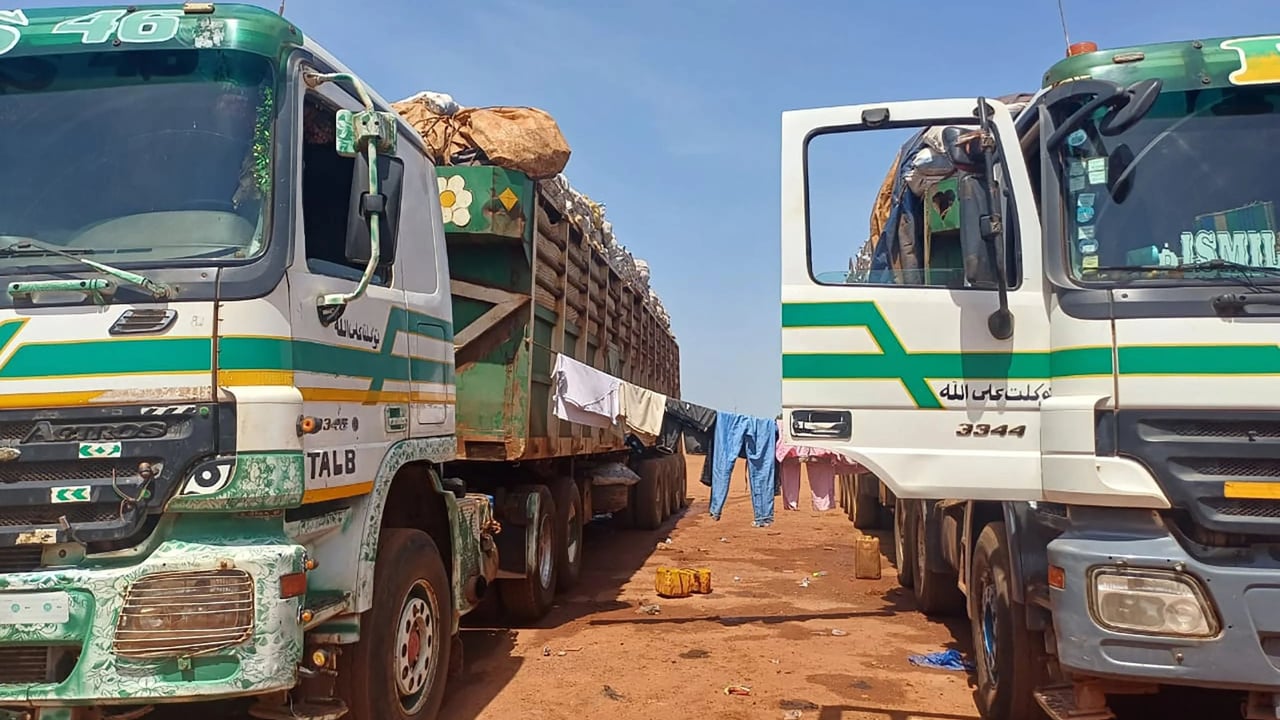

A critical trade artery linking Dakar and Bamako has ground to a halt after a series of unsettling events unfolded near Kidira, a key transit point on the Senegal-Mali border. Truck drivers and logistics operators report an abrupt standstill, leaving hundreds of cargo vehicles stranded on the Senegalese side.
Transportation networks in West Africa have long relied on this route for the smooth flow of goods between the two capital cities. Its sudden closure has sent ripples through local economies, with merchants and consumers alike bracing for potential shortages and price hikes. The disruption comes at a particularly sensitive time for regional trade, amplifying concerns over supply chain stability.
Why the trade route between Senegal and Mali is paralyzed
Local authorities have cited escalating security concerns in the area surrounding Kidira as the primary reason behind the halt in cross-border traffic. The region has seen a rise in tensions in recent weeks, prompting authorities to tighten control measures and restrict movement until further notice.
While official statements remain cautious, transporters operating in the area have shared firsthand accounts of heightened military presence and roadblocks. Many drivers have chosen to pause operations, fearing both safety risks and potential delays that could extend into weeks. The uncertainty has left businesses scrambling to reroute shipments, though viable alternatives remain scarce.
Impact on regional trade and logistics
The suspension of this vital corridor has immediate consequences for industries across Senegal and Mali. Key sectors such as agriculture, manufacturing, and energy are feeling the squeeze, with delays threatening to disrupt production cycles and distribution networks.
- Food supplies: Fresh produce and staple goods face delayed deliveries, raising concerns over food security in urban centers.
- Fuel distribution: Energy supplies are at risk of dwindling, particularly in landlocked Mali, where imports heavily depend on this route.
- Manufactured goods: Factories in both countries are warning of potential stock shortages if the blockade persists.
Economic analysts warn that prolonged disruptions could lead to cascading effects, including inflation and reduced investor confidence in the region. The crisis highlights the vulnerability of West African trade networks to geopolitical and security shocks.
What’s next for transporters and businesses?
As negotiations continue between transport unions, local governments, and security forces, the future of this trade route remains uncertain. Drivers and logistics companies are exploring temporary solutions, such as rerouting through neighboring countries like Guinea or Burkina Faso, though these options come with their own challenges, including higher costs and longer transit times.
For now, the standoff at Kidira serves as a stark reminder of how fragile regional trade can be in the face of instability. Businesses and consumers alike are watching closely, hoping for a swift resolution to restore the flow of goods between Dakar and Bamako.