
Trade between Dakar and Bamako grinds to a halt as border tensions escalate
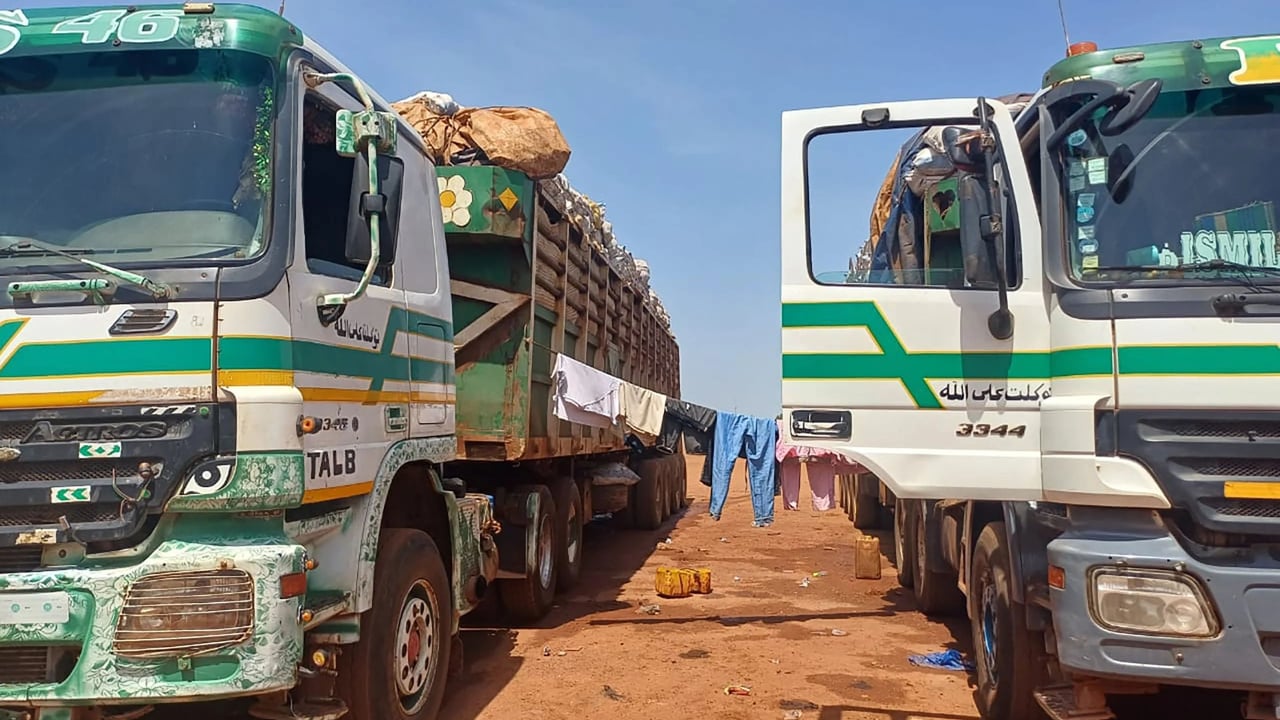
The critical trade corridor linking Dakar and Bamako has come under severe strain following a sudden disruption at the Senegal-Mali border crossing near Kidira. Heavy goods vehicles laden with essential commodities now sit idle on both sides of the frontier, leaving exporters, importers, and commuters stranded.
A vital economic lifeline faces closure
The axis connecting the two capitals serves as the backbone of regional trade, facilitating the movement of everything from agricultural produce to manufactured goods. Local business leaders report mounting losses as delays stretch into days, with no clear resolution in sight. Transport unions have raised the alarm, warning that prolonged closures could trigger price hikes and supply shortages across West Africa.
Border unrest disrupts supply chains
While authorities have not disclosed official reasons for the halt, heightened security measures and localized protests have been reported in the border zone. The Group for the Support of Islam and Muslims (JNIM) has been active in the region, though no direct claims of responsibility have been made regarding the current disruptions. Analysts suggest the situation reflects deeper political and security strains between the neighboring nations.
Impact ripples across West Africa
The standstill is more than a local issue—it threatens to destabilize trade flows that sustain millions. Senegalese traders, already grappling with inflation, now face the prospect of delayed shipments and lost revenue. Meanwhile, Malian merchants dependent on Senegalese ports are scrambling to reroute goods through alternative, costlier paths.
What’s next for the corridor?
Diplomatic channels are reportedly engaged to restore normalcy, but progress remains uncertain. Transport operators call for urgent dialogue to prevent long-term damage to regional integration. Until then, the future of this vital trade artery hangs in the balance.