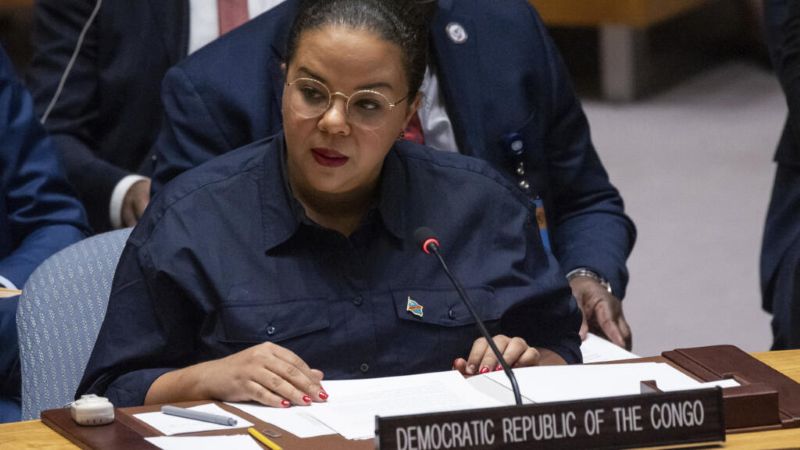
Natural riches should empower nations—not fuel instability. This principle guided the Democratic Republic of the Congo’s bold diplomatic offensive at the United Nations on July 14, 2026. Addressing world leaders during the High-Level Meeting on Critical Minerals for the Energy Transition, Kinshasa did more than defend its economic interests; it launched a scathing indictment of a global system it views as fundamentally unjust toward resource-rich nations.
From raw material supplier to industrial powerhouse
The Congolese delegation, led by Minister of State for Foreign Affairs and International Cooperation Thérèse Kayikwamba Wagner, argued forcefully that the world’s clean energy future cannot be called ‘just’ as long as producer countries export unprocessed minerals while reaping none of the value they generate. In her address, she posed a stark question: « Where does the real value of critical minerals reside—at the source or in the factories that transform them?»
The minister outlined a sweeping vision: the DRC is no longer willing to remain locked in the role of passive exporter. Instead, it seeks to become Africa’s leading hub for processing strategic minerals—cobalt, copper, tantalum, and others essential to electric vehicle batteries, digital technologies, and renewable energy systems. Achieving this goal requires massive investments in infrastructure, energy, research, and technology transfer, as well as modernization of the artisanal mining sector.
Kinshasa is demanding a fairer share of global value chains, insisting that any new international framework on critical minerals must include mechanisms for technology transfer, capacity building, and equitable distribution of profits across the entire supply chain.
Rwanda under scrutiny over illicit mineral trade in eastern DRC
The diplomatic offensive took a sharp turn toward geopolitical accountability when Minister Kayikwamba directly implicated Rwanda in the illegal exploitation of Congolese minerals. Citing findings from United Nations expert reports, she highlighted the case of Rubaya, home to nearly 15% of the world’s tantalum supply. According to the experts, at least 1,400 tons of coltan were smuggled into Rwanda after the M23 rebel group—backed by Kigali—seized control of the area. These illicit exports generate an estimated $800,000 monthly for the armed movement.
Despite these documented violations, the Rwandan Defence Forces remain conspicuously absent from UN sanctions lists. The Congolese foreign minister condemned this omission, warning that it exposes glaring flaws in the international system’s ability to curb the funding of conflicts through the theft and smuggling of natural resources.
Linking minerals, peace, and global security
With the DRC currently holding the rotating presidency of the UN Security Council, Kinshasa is pushing for a comprehensive international framework that directly ties mineral governance to conflict prevention, peacebuilding, and sustainable development. The goal is to ensure that mineral traceability systems effectively combat fraud, smuggling, and the financing of armed groups—without harming legitimate artisanal miners.
« The era of exporting raw wealth must end, » declared Kayikwamba. « A just energy transition requires justice throughout the supply chain—from mine to market. »
A broader diplomatic strategy
This high-profile intervention signals a strategic shift in Kinshasa’s foreign policy. By elevating the issue of critical minerals to the top of the global agenda, the DRC is not only defending its sovereign rights but also reshaping the international debate on energy transition governance. The move aims to pressure Rwanda into halting its alleged involvement in mineral smuggling while positioning the DRC as a credible leader in Africa’s industrial transformation.
In doing so, the Congolese government is sending a clear message: resource-rich African nations must no longer be treated as suppliers of last resort. Instead, they should be recognized as indispensable partners in building a sustainable and equitable global energy future.
Comments are closed, but trackbacks and pingbacks are open.