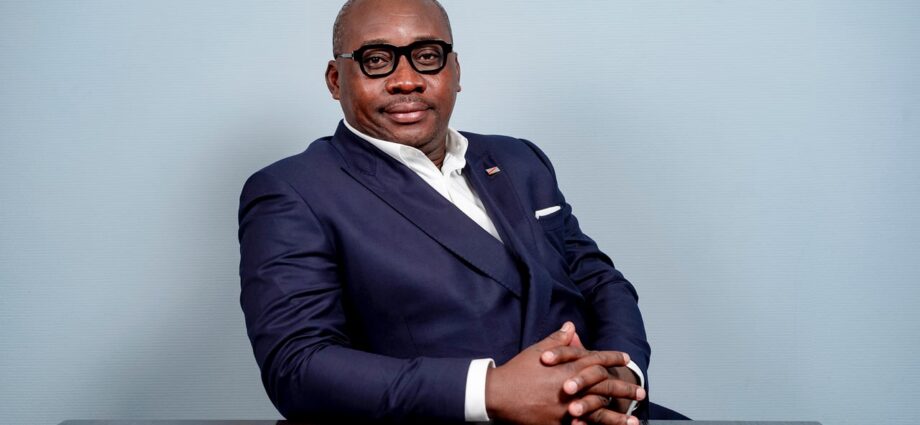

Two decades after its adoption, the Democratic Republic of Congo’s constitution stands at a crossroads, sparking intense debate about its legacy and future. Guy Loando Mboyo, minister of state for parliamentary relations, argues that this milestone offers a pivotal moment to reassess its impact and chart a new course. His perspective signals a turning point in how the nation views its foundational legal framework.
The constitution’s unfulfilled promises
Initially hailed as a cornerstone for stability and democracy, the constitution has faced mounting criticism over its inability to address the country’s deep-rooted challenges. Loando Mboyo highlights systemic gaps that have hindered progress, underscoring the need for bold reforms to align the document with the evolving aspirations of the Congolese people.
A call for decisive change
The minister’s remarks reflect a growing consensus that the constitution’s current form is ill-equipped to navigate modern governance demands. By emphasizing the urgency of revision, he positions the 20-year mark not as a celebration, but as a catalyst for transformative action. This shift in narrative marks a momentum build-up toward redefining the nation’s legal and political trajectory.
Reframing the national dialogue
Loando Mboyo’s stance invites a broader conversation about the constitution’s role in shaping DR Congo’s future. His critique moves beyond mere observation, advocating for a proactive overhaul to ensure the document serves as a dynamic tool for justice, equity, and development. This moment, he suggests, could redefine the relationship between governance and the citizenry.
Comments are closed, but trackbacks and pingbacks are open.