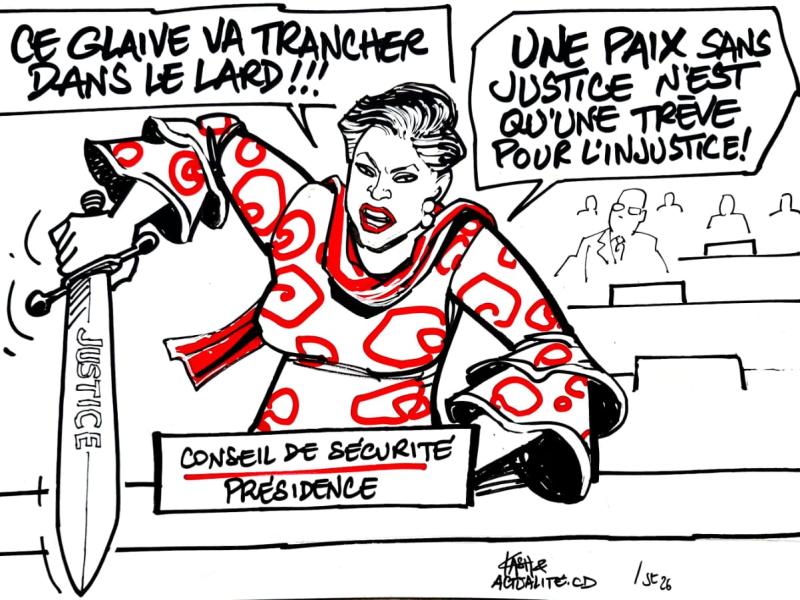
The Democratic Republic of the Congo (DRC) has assumed the rotating presidency of the United Nations Security Council for the entire month of July 2026. This unprecedented diplomatic milestone comes just six months after the country’s induction as a non-permanent member for the 2026-2027 term. The DRC last held this pivotal position more than three decades ago, during the 1990-1991 session.
Diplomatic spotlight on Kinshasa
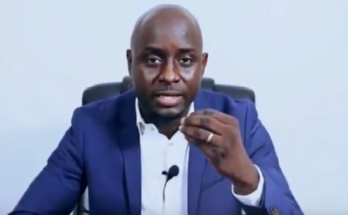
Under the guiding principle of ‘More peace, more justice, more development, and more multilateralism’, the DRC’s presidency is spearheaded by Ambassador Zénon Mukongo Ngay. The government in Kinshasa is leveraging this international platform to link collective security with sustainable development, ensuring Africa’s voice resonates on global geopolitical balances.
The DRC’s agenda prioritizes two critical fronts: the governance of natural resources and the fight against sexual violence in conflict zones. A high-level public debate scheduled for July 22, 2026, led by President Félix Tshisekedi, will spotlight how illicit mineral exploitation fuels armed conflict. Meanwhile, Prime Minister Judith Suminwa Tuluka has already elevated the issue of wartime sexual violence on the global stage.
Global crises and regional calls
While addressing pressing international conflicts such as those in the Middle East, Sudan, and Haiti, the DRC is also seizing this opportunity to draw attention to the humanitarian toll of the aggression in its eastern provinces. Without compromising its neutral role as Security Council president, Kinshasa is advocating for stronger international sanctions against armed groups and their external backers, aiming to curb the violence devastating the region.
Key objectives of the DRC’s presidency
- Resource governance: Highlighting the link between illegal mining and armed conflict through a major UN debate.
- Justice for survivors: Elevating the issue of sexual violence in conflict, led by the Prime Minister.
- Regional advocacy: Publicizing the humanitarian crisis in eastern DRC to mobilize global support.
- Sanctions pressure: Pushing for stricter measures against armed groups and their supporters.