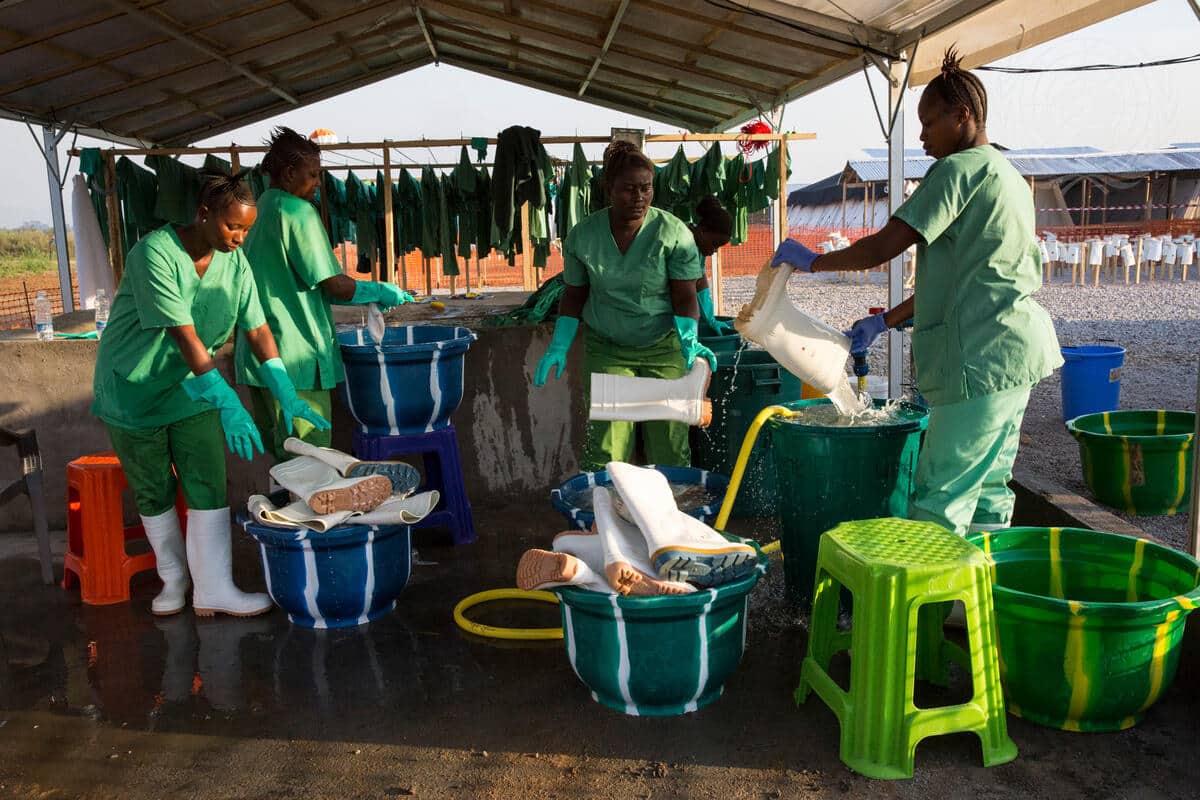
Ebola surge in eastern Democratic Republic of Congo continues to worsen
The Democratic Republic of Congo (DRC) is grappling with a worsening Ebola crisis that began on May 15 in Ituri Province, in the country’s northeast. The rare Bundibugyo Ebola strain—currently without an approved vaccine or targeted treatment—has rapidly expanded its reach. Neighboring provinces including North Kivu, South Kivu, Upper Uele, and Tshopo are now affected, along with neighboring Uganda, despite the deployment of emergency response teams from organizations like Medair and World Vision.
Recent assessments by the United Nations paint a grim picture. As of July 30, official figures from the World Health Organization indicate 3,748 confirmed cases and 1,587 deaths, resulting in a staggering 44% fatality rate. The situation has deteriorated further in the past week alone, with 567 new infections and 296 deaths reported—marking the highest weekly toll since the outbreak began. Among those impacted are 44 healthcare workers, bringing the total number of infected medical personnel to 151 since the epidemic started.
Humanitarian response ramps up amid rising threats
Recognizing the severity of the escalation, the United Nations has emphasized that response efforts are being scaled up to match the growing scale of the crisis. The International Medical Corps, in coordination with UN agencies, is intensifying its interventions to contain the spread and provide critical care to affected communities. With no licensed vaccine or specific treatment available for the Bundibugyo strain, prevention, early detection, and isolation remain the cornerstones of the emergency response strategy.
Comments are closed, but trackbacks and pingbacks are open.