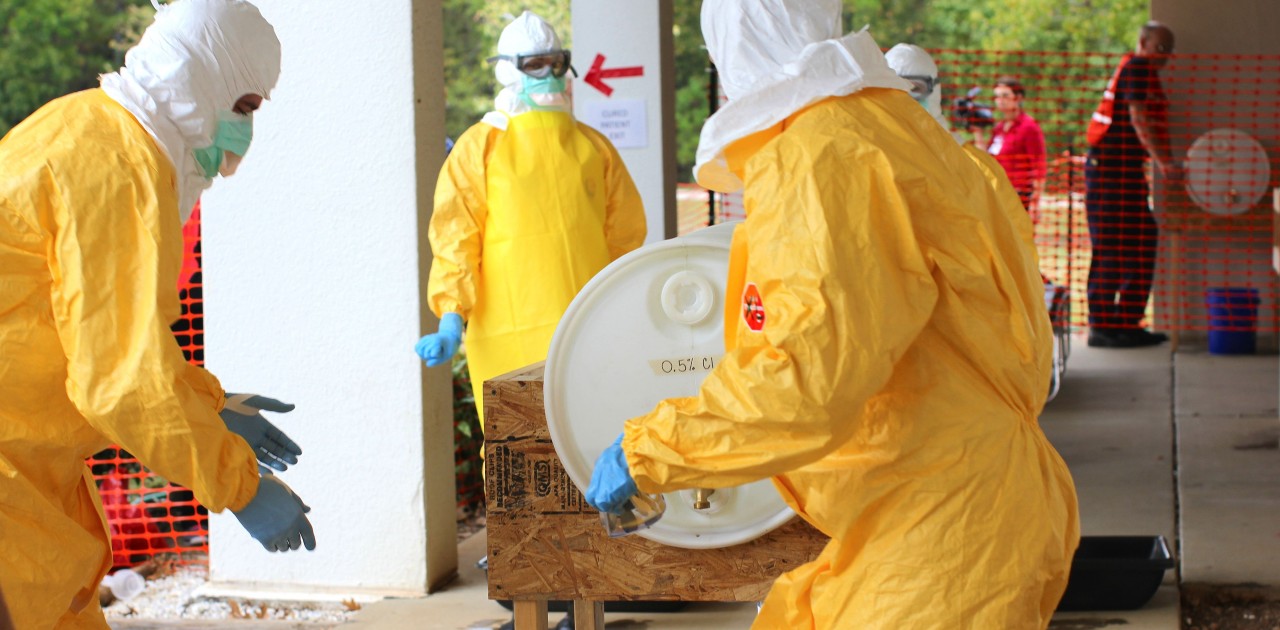
Ebola outbreak in Democratic Republic of Congo under close international watch
The Democratic Republic of Congo (DRC) is grappling with a rapidly escalating Ebola crisis, with confirmed cases surpassing 1,000 in just one month. The outbreak is concentrated in the eastern provinces of Ituri, North Kivu, and South Kivu—regions already plagued by armed conflict, mass displacements, and severely limited healthcare access. These challenges are significantly hampering efforts to contain the virus’s spread.
While the outbreak remains largely confined to Central Africa, the detection of an imported case in France has underscored the potential for international transmission, though health authorities insist the risk remains minimal thanks to robust monitoring and isolation protocols. This development has intensified scrutiny over the factors fueling the virus’s circulation and the possibility of a wider epidemic.
Health experts warn that the confluence of active conflicts and humanitarian crises in eastern DRC creates a precarious environment for disease control. Displaced populations often lack access to basic healthcare, while the movement of people across porous borders further complicates containment efforts. The situation demands urgent, coordinated action to prevent the virus from gaining a stronger foothold.
The virus continues to exact a heavy toll on communities already facing immense hardship. Without sustained intervention, the consequences could extend far beyond the DRC’s borders.
Challenges in Containing the Outbreak
The eastern DRC’s conflict zones present a uniquely difficult battleground for health responders. Key obstacles include:
- Insecurity and displacement: Frequent clashes between armed groups and military operations force civilians to flee, often relocating to overcrowded and underserved areas with poor sanitation and limited medical infrastructure.
- Healthcare system strain: Many health facilities in affected regions are either destroyed or operate with minimal resources, making early detection and treatment of Ebola cases extremely challenging.
- Cross-border movement: The porous nature of borders with neighboring countries facilitates the potential spread of the virus, raising concerns about regional spillover.
International health organizations are working alongside DRC authorities to strengthen surveillance systems, deploy rapid response teams, and improve community engagement. However, the scale of the crisis demands greater support to ensure these efforts translate into tangible results on the ground.
Global Preparedness and Response
The detection of an Ebola case in France has served as a stark reminder of the virus’s ability to cross borders, even in today’s interconnected world. Health officials emphasize that while the risk of international spread remains low due to stringent containment measures, vigilance is critical. Countries worldwide are reviewing their preparedness plans to ensure they can respond swiftly to any potential imported cases.
Epidemiologists are particularly focused on identifying the drivers behind the virus’s resurgence in the DRC. Factors such as delayed vaccination campaigns, waning immunity in previously vaccinated populations, and the emergence of new transmission hotspots are under close examination. Addressing these issues is essential to breaking the chain of infection and preventing a prolonged epidemic.
Public health experts are calling for a unified approach, combining local, national, and international efforts to tackle both the immediate crisis and its underlying causes. This includes not only medical interventions but also investments in healthcare infrastructure, community education, and conflict-sensitive humanitarian aid.
The fight against Ebola in the DRC is far from over. Success will depend on our collective ability to adapt, innovate, and sustain our commitment to those most at risk.
Microscopic view of the Ebola virus
Comments are closed, but trackbacks and pingbacks are open.