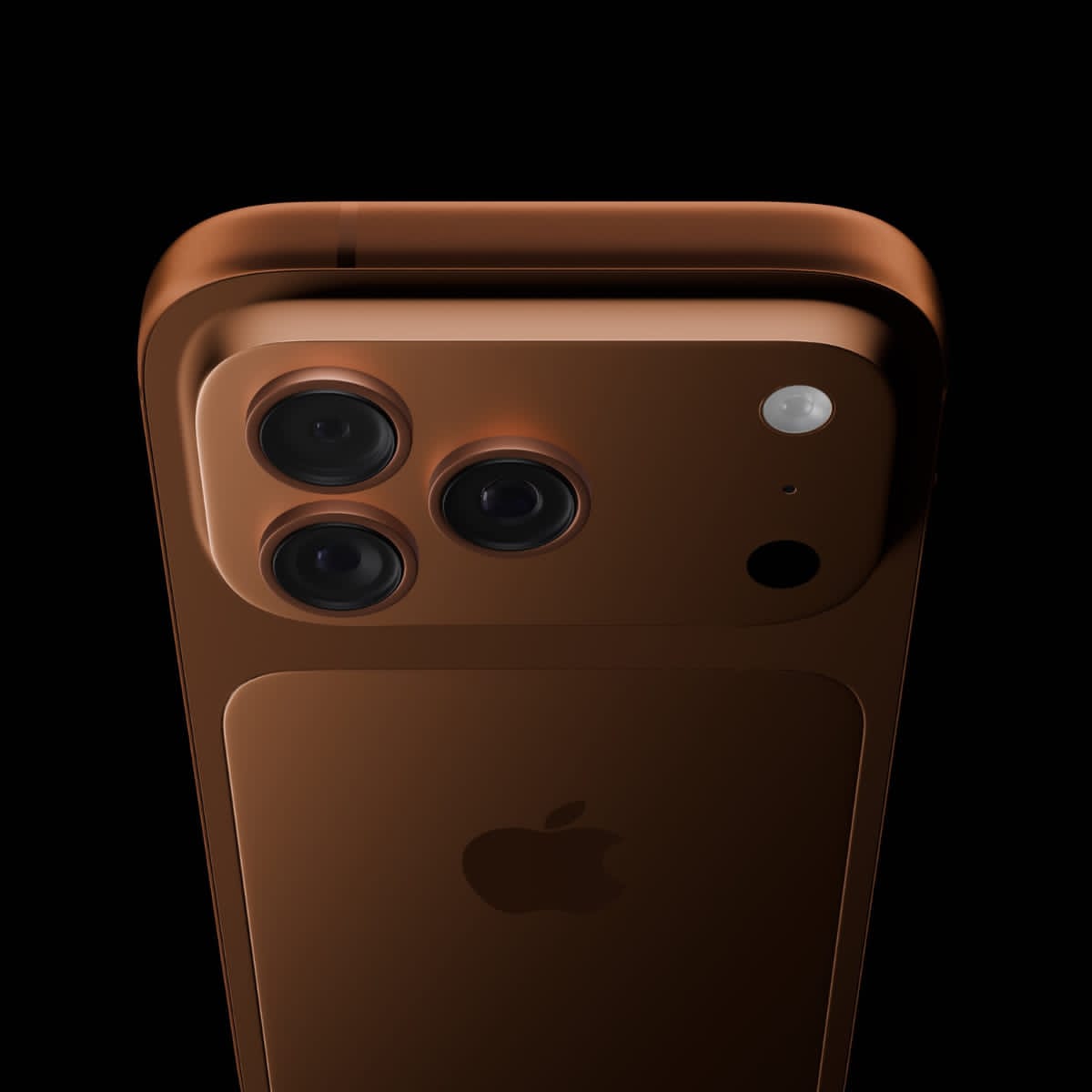
A quiet yet profound shift is altering the social landscape for young women in Chad. From the bustling streets of N’Djamena’s working-class districts to its more affluent neighborhoods, a new visual identity is taking root, fueled by global digital trends and social media platforms. Today, the image of the modern Chadian woman is increasingly defined by elegance, social outings, and the possession of high-end status symbols: luxury fashion, premium cosmetics, and, most importantly, the latest smartphone models, particularly iPhones.
The digital badge of existence
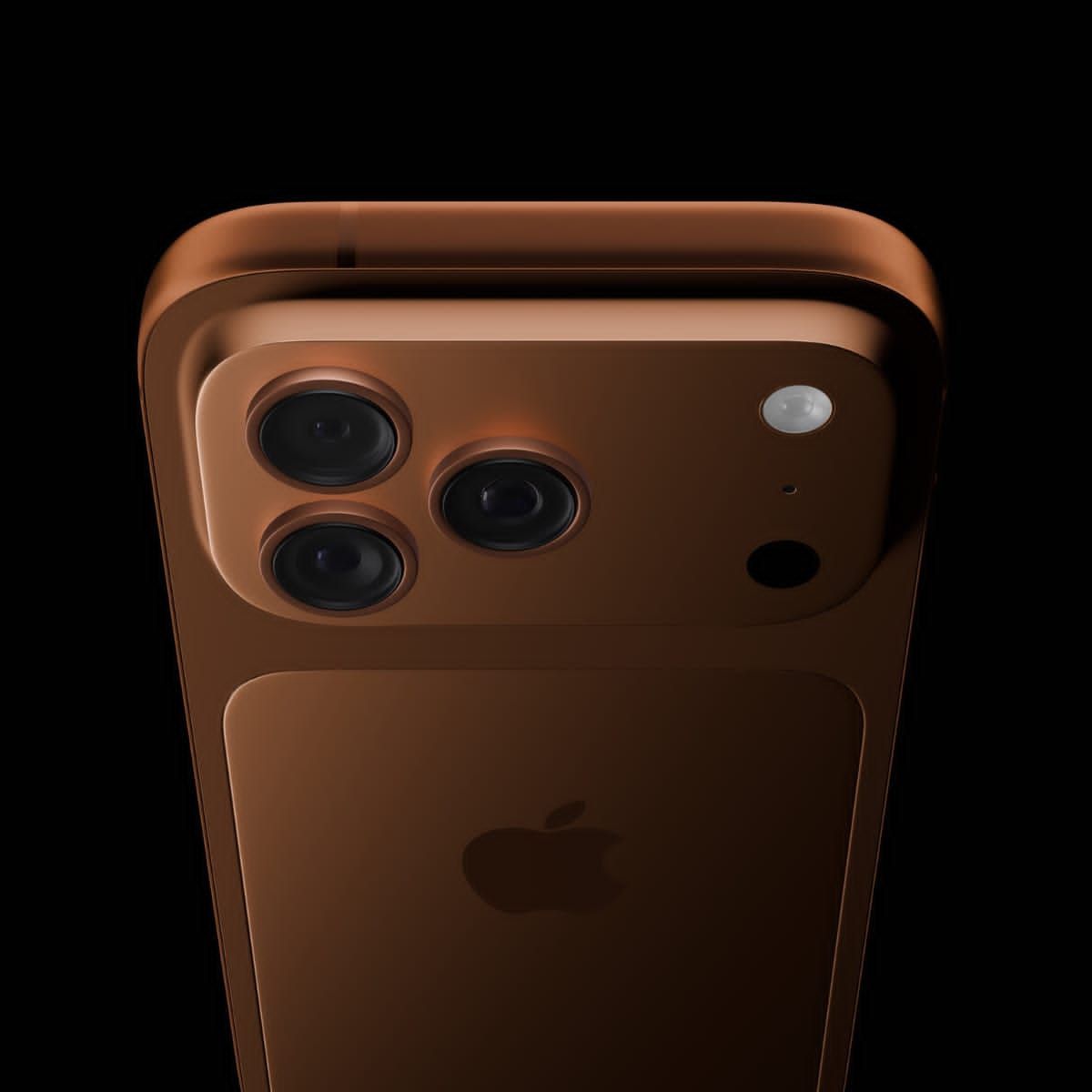
In daily life, a mobile phone has transcended its role as a mere communication tool to become a definitive social marker. Fati, a 21-year-old student at HEC Chad University, notes that digital presence is now tied to hardware. She observes a pervasive pressure to own the latest technology, stating that without a high-end device like a recent iPhone, one’s credibility on social platforms is often questioned. For many, the quality of a photo taken by a specific device is the gateway to being taken seriously in the digital sphere.
The power of appearance in N’Djamena
This sentiment is echoed across the capital. Personal branding has become a permanent digital storefront where the caliber of one’s phone, attire, and surroundings dictates social standing. Mariam Senoussi, 24, explains that the need to project an image of success is paramount to avoid becoming invisible in an environment where visibility is the ultimate currency. This drive for recognition sometimes leads individuals to prioritize aesthetics over other financial or professional goals.
Digital platforms further intensify this trend. Feeds are often saturated with snapshots of luxury lifestyles—exotic travel, fine dining, and designer labels. However, these curated images often mask a more complex reality involving filters, strategic staging, or even hidden financial struggles. This constant exposure fosters a culture of social comparison and heightened aesthetic expectations among the youth.
Economic hurdles and the desire for high-end tech
At the heart of this image-driven economy is the smartphone. In N’Djamena, the latest flagship models can command prices exceeding one million CFA francs, making them a massive investment for most. Despite the high cost, the demand remains unwavering. Issa Kally, a phone retailer in the city center, notes that many young women make it a top priority to acquire the newest models, often saving for long periods or finding creative ways to afford them.
Contrary to common misconceptions, this focus on appearance does not indicate a lack of work ethic. Many of these young women are active in the informal economy, working in hair salons, tailoring, online sales, or various service sectors. In a landscape where stable employment is scarce, achieving social mobility through personal branding or informal entrepreneurship often feels more attainable than traditional career paths.
Ultimately, the adoption of luxury goods and high-end smartphones is an adaptation to a fragile economy and a global digital culture. Visibility has become a form of capital. Behind the polished photos shared online lies the nuanced story of a Chadian generation navigating modern aspirations, intense social pressure, and limited economic opportunities.
Comments are closed, but trackbacks and pingbacks are open.