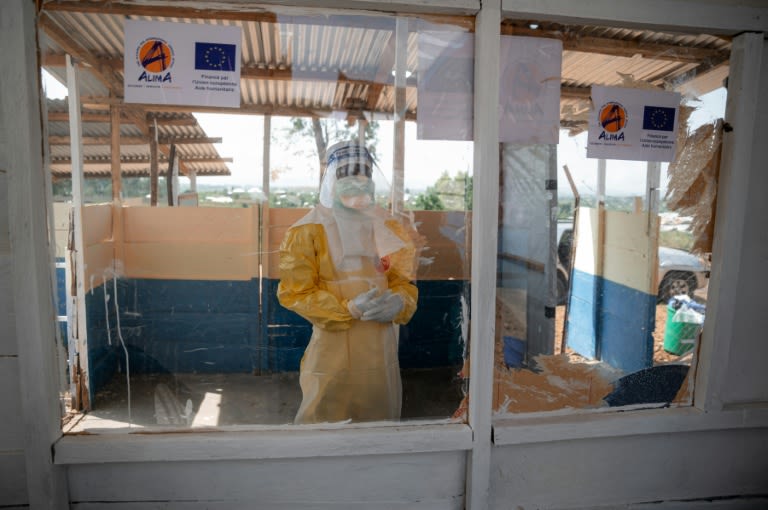
Ebola outbreak in DRC surpasses 2,000 fatalities
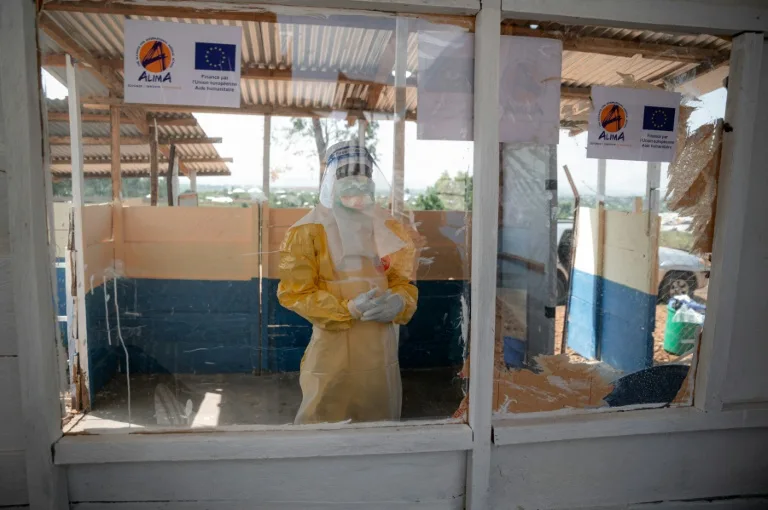
The Ebola outbreak ravaging the Democratic Republic of Congo (DRC) has now claimed over 2,000 lives, pushing this crisis closer to the grim milestone set by the devastating 2018-2020 epidemic—the deadliest in the nation’s recorded history.
The DRC officially declared its 17th Ebola outbreak on May 15, weeks behind schedule, and authorities have since classified it as the largest in the country’s history. Sania Nishtar, Chief Executive of Gavi, the Vaccine Alliance, has warned that this outbreak could “become the largest ever recorded globally.”
The latest official figures from Congolese health authorities reveal a grim toll: 2,011 deaths out of 4,381 confirmed cases. The death toll surpassed 1,000 on July 22, underscoring the rapid escalation of this health emergency.
During the 2018-2020 epidemic, the DRC recorded nearly 2,300 deaths among 3,500 confirmed cases, marking the highest fatality rate in the country’s history. The current outbreak has a mortality rate of 45.9%, according to health officials.
“We have not yet reached the peak,” warned Samuel Roger Kamba, Congo’s Minister of Health, in a statement shared via X (formerly Twitter) by his ministry on Tuesday. He added that health authorities anticipate a turning point within the next three months, with a projected decline in new cases as containment measures take effect.
The response effort faces significant hurdles, including persistent insecurity fueled by armed groups and widespread public distrust. These challenges have severely hampered containment efforts in the affected regions.
Mohamed Yakub Janabi, WHO Regional Director for Africa, highlighted a critical issue during a press briefing in Bunia, the capital of Ituri province: “We are only reaching 30% of those infected, while 70% are dying at home.” He emphasized that this disparity is what makes the current outbreak uniquely challenging.
Health experts are exploring innovative strategies to curb the spread. On Friday, WHO advisors recommended evaluating Ervebo—the only Ebola vaccine currently licensed—through clinical trials to address the specific challenges posed by the Bundibugyo variant, the strain driving the current outbreak.
Tedros Adhanom Ghebreyesus, Director-General of the WHO, celebrated this development as “encouraging news” in a post on X. The vast body of existing data on Ervebo’s safety and efficacy allows for a streamlined phase 3 trial, typically conducted on a large scale among thousands of participants.
Ervebo doses, sourced from the global Ebola vaccine stockpile managed and funded by Gavi, will be made available to support these trials. The stockpile, produced by American pharmaceutical giant Merck, contains approximately 500,000 doses, with some reserves permanently stationed in the DRC due to the country’s recurrent Ebola outbreaks.
Gavi, established in 2000, brings together public and private donors to help low-income countries access affordable vaccines. Meanwhile, Canada has granted Moderna approval to initiate clinical trials for its Bundibugyo-specific vaccine.
Two additional vaccine candidates are in development: the “rVSV Bundibugyo” vaccine, identified by the WHO as the “most promising” option and developed by Hilleman Laboratories, and a candidate from the University of Oxford, which administered its first dose to a volunteer in late July.
The United States has pledged an additional $242 million to combat the Ebola outbreak in the DRC, bringing its total commitment to over $1 billion since the epidemic began.
Ebola, transmitted through contact with bodily fluids, causes severe hemorrhagic fever and has claimed over 15,000 lives across Africa over the past five decades.
Comments are closed, but trackbacks and pingbacks are open.