
DR Congo’s Ebola crisis forces major humanitarian plan revision
The United Nations Office for the Coordination of Humanitarian Affairs (OCHA) has significantly revised the Democratic Republic of Congo’s (DRC) 2026 humanitarian response plan, now targeting 10.8 million people amid the country’s worsening health and security crises.
The 17th Ebola outbreak, which emerged in May 2026 in Ituri Province and has since spread to North Kivu and South Kivu, has become a critical factor exacerbating existing vulnerabilities. The virus, specifically the Bundibugyo strain, was first detected among healthcare workers in Bunia, triggering rapid transmission across multiple health zones.
Financial constraints drive strategic shift
Initially, the 2026 Humanitarian Needs and Response Plan (HNRP) aimed to assist 15 million Congolese with a $1.4 billion funding request. However, financial shortfalls forced a recalibration, with the updated plan now focusing on 10.8 million individuals requiring urgent aid. The revised funding requirement has increased to $2.13 billion to address the escalating needs.
Minister of Social Affairs and National Solidarity Eve Bazaiba emphasized that this adjustment aligns with the government’s priorities, noting, “The rapid deterioration of the humanitarian situation, compounded by the Ebola epidemic, necessitates a strategic realignment of our response efforts.”
Ebola’s devastating impact on communities
The outbreak has created new challenges in regions already grappling with conflict, displacement, and food insecurity. According to OCHA’s analysis, the epidemic has:
- Amplified humanitarian needs in affected areas
- Complicated response operations due to safety concerns
- Strained local healthcare systems already burdened by cholera outbreaks
- Triggered revised severity assessments in North Kivu and South Kivu health zones
Key affected regions include:
- Bunia (Ituri Province)
- Rwampara and Mongwalu (Ituri)
- Multiple health zones in North Kivu and South Kivu
Broader humanitarian context in DRC
The Ebola crisis compounds an already dire situation marked by:
- Protracted conflict in eastern DRC, particularly involving armed groups like M23
- Severe food insecurity affecting millions, with IPC analysis confirming increased acute malnutrition
- Cholera resurgence across multiple provinces
- Mass displacement of populations, with over 15 million people in distress
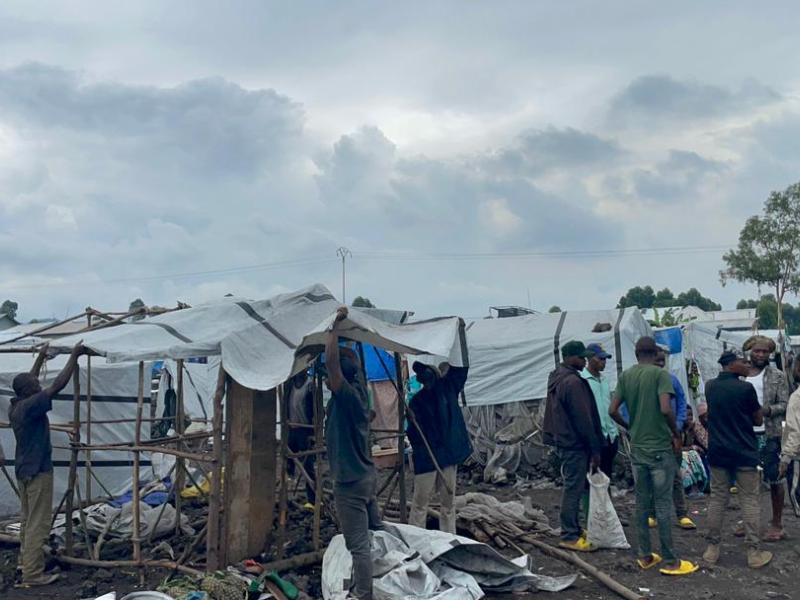
The International Organization for Migration reports that displacement has reached unprecedented levels, with many communities settling in overcrowded camps lacking basic services.
International response and funding challenges
While the 2026 HNRP aims to support 87 million people globally at a cost of $23 billion, funding gaps persist. The UN’s representative to DRC, James Swan, recently highlighted that only 53.3% of the DRC’s 2026 humanitarian budget has been secured, calling for urgent international mobilization to prevent further deterioration.
The funding shortfall has been particularly acute following the suspension of US humanitarian aid, which has disproportionately affected eastern DRC’s crisis response capacity.
Looking ahead
OCHA has emphasized that this revised plan represents a targeted approach to maximize impact within constrained resources. The organization stresses that while the number of beneficiaries has decreased, the per-person assistance allocation will increase to ensure critical services reach those most in need.
The humanitarian community continues to call for sustained international support to address both the immediate Ebola outbreak and the underlying structural challenges facing the DRC.
