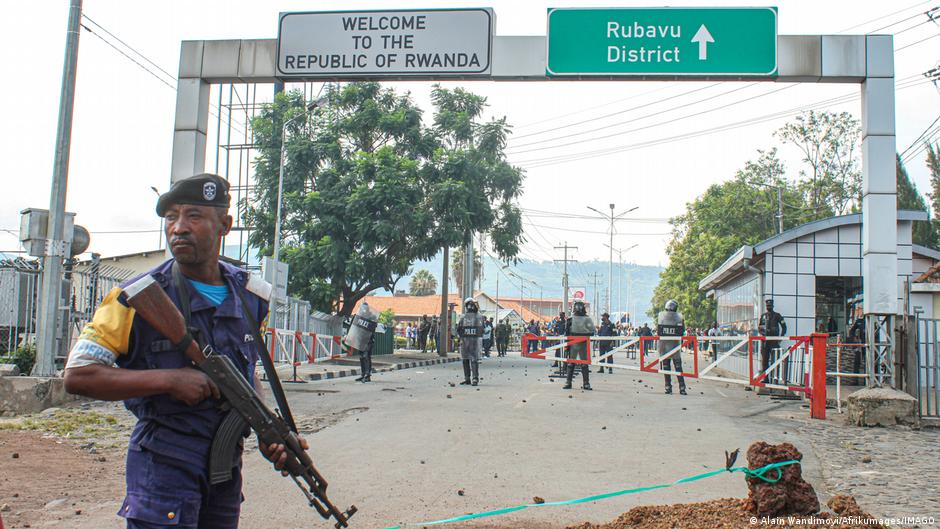
The suspension of cross-border traffic between Goma, in the eastern République démocratique du Congo (RDC), and Gisenyi, Rwanda, is triggering deep anxiety among the local population. From street vendors to professional economists, the consensus is clear: the local economy is reeling from the impact of this restrictive measure.
In an effort to curb the potential spread of Ebola, Rwanda has implemented strict protocols, including the total shutdown of several crossing points. These measures are accompanied by rigorous health screenings at all official entry locations throughout the country.
Small-scale traders facing financial ruin
Jacques Safari, who has spent years selling eggs as a street vendor near the Goma border, is among those witnessing a dramatic collapse in income. Since the gates were locked, his daily business has plummeted.
He notes that the lack of foot traffic has decimated his sales figures. Previously, he could move five crates of eggs in a single day; now, he struggles to sell even two. He links this decline directly to the absence of cross-border travelers who once formed the backbone of his customer base.
“The socio-economic hardship caused by the border shutdown is undeniable. Most of our buyers were people moving between the two countries,” he explained.
Supply chain disruptions for Birere wholesalers
The crisis extends beyond individual vendors to the large-scale wholesalers of manufactured goods. In the Birere market, business owners are speaking out against the mounting hurdles they face in sourcing inventory.
Hamuli Kasilembo, a prominent wholesaler in the market, points out that the connection with Rwanda used to guarantee a swift and dependable supply chain. Today, traders are battling logistical nightmares and a sharp dip in consumer demand. He observed that the flow of capital has slowed to a crawl, making every transaction significantly more difficult.
A predictable crisis, say economic analysts
According to financial experts, the fallout from these border restrictions was entirely foreseeable. Alphonse Muanda emphasizes that the daily commercial ties between Goma and Gisenyi are the lifeblood of the regional economy for both nations.
He highlights that a vast number of micro-entrepreneurs rely on this cross-border movement for their very survival. Many would travel to Gisenyi daily to purchase bulk quantities of essential goods like rice and soap for resale.
“When the Rwandan authorities close the gates, the small-scale merchants are the first to suffer. These individuals live day-to-day and are completely dependent on the fluidity of cross-border trade.”
While the Rwandan government maintains that the closure is a necessary health precaution to stop Ebola, the residents of Goma are left fearing a long-term slide into deeper economic instability and social precariousness if the situation does not resolve soon.