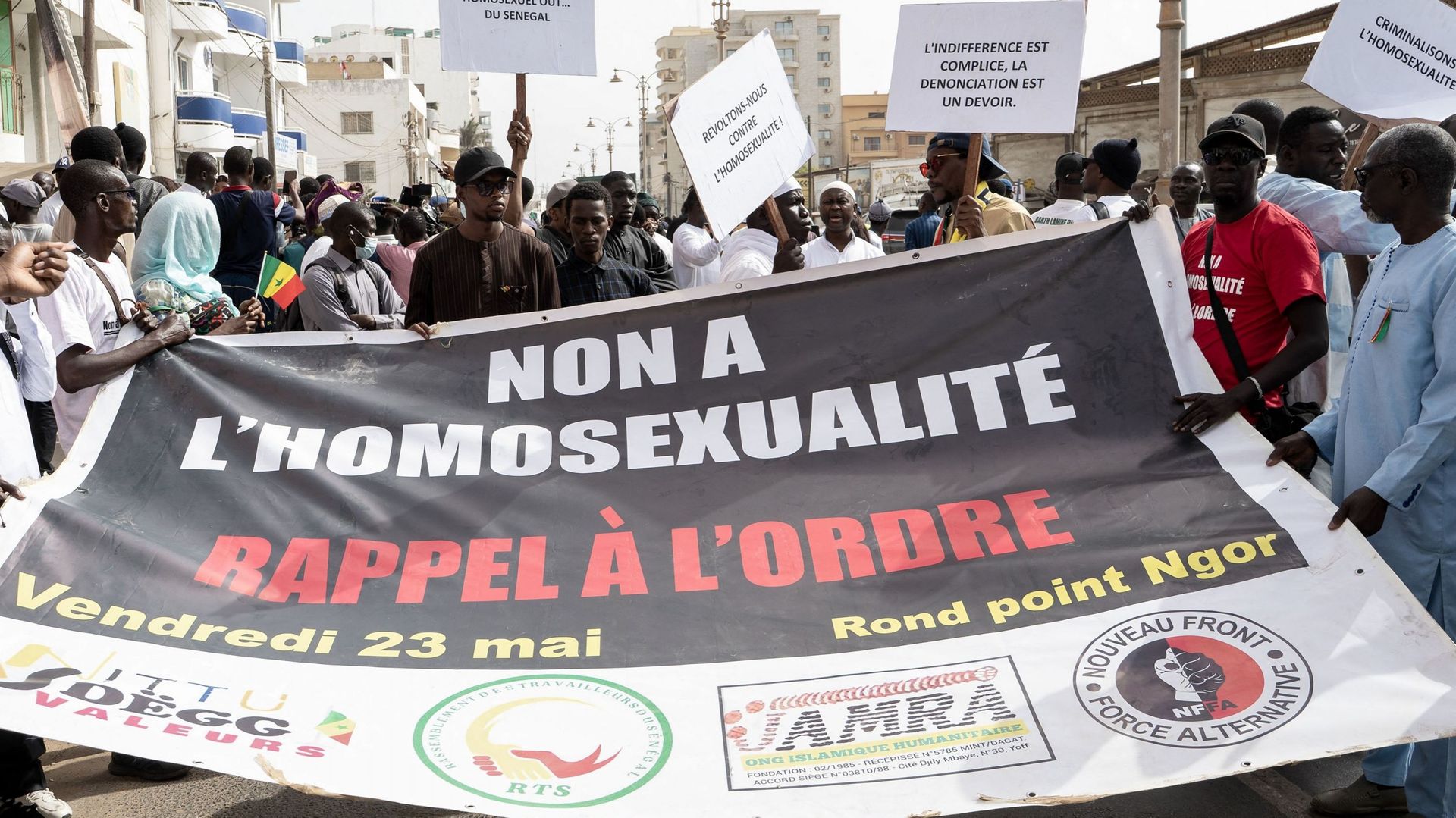
While Brussels prepares to mark three decades of progress with its annual Pride Parade, the situation in Dakar tells a starkly different story. A newly enacted law in Senegal has intensified persecution against LGBTQ+ individuals, transforming the country into one of Africa’s most oppressive nations for sexual minorities.
stricter penalties and widening crackdown
The legislation, signed by President Bassirou Diomaye Faye, doubles the maximum prison sentence for “unnatural acts” from five to ten years. Fines have surged tenfold, now reaching up to 10 million CFA francs—equivalent to more than 15,000 euros. Described by the Prime Minister Ousmane Sonko as a “sovereignty” project, the bill passed unanimously in the Senegalese National Assembly on March 11, 2026, with 135 votes in favor and none against, sealing the fate of countless lives.
climate of fear and vigilante violence
The law’s immediate impact has been brutal. In recent weeks, over a hundred people suspected of homosexuality have been arrested. Some prefer imprisonment to facing mob violence, as crowds increasingly take “justice” into their own hands. “You live in constant fear,” shared a young man who requested anonymity. “Every moment you wonder if someone will come for you. This isn’t living—it’s surviving in silence.”
The rising hostility is fueled by rhetoric from influential figures. “They’ve made people believe that hating LGBTQ+ individuals is a sign of true faith,” he explained. “They say killing a homosexual guarantees entry to paradise. But who you love is a personal matter—between you and your faith.”
The paranoia has spread even among expatriates. The arrest of a French engineer recently shocked the foreign community. “They knocked on his door, he opened it, and they dragged him out,” recounted a friend. “This isn’t justice—it’s a raid. No one is safe anymore.”
political and religious manipulation
The crackdown is being driven from the highest levels of power. The religious group And Samm Jikko Yi, which lobbied heavily for the law, has labeled LGBTQ+ individuals as a “public threat.” Its leader, imam Babacar Sylla, falsely claims they “intentionally spread disease” and admits to harboring no empathy toward the community. This narrative has been embraced by the government to divert attention from economic struggles, portraying homosexuality as a “Western import” incompatible with Senegalese values.
human rights in freefall
The International Federation for Human Rights (FIDH) has sounded the alarm. “Such a law doesn’t protect anyone—it exposes already vulnerable people to arbitrary arrests, violence, and humiliation,” warned Drissa Traoré, Secretary-General of the organization. The legislation also criminalizes any form of advocacy or support for LGBTQ+ rights, further eroding freedom of expression.
Public health is another casualty. HIV testing rates are plummeting as individuals fear carrying condoms or lubricants could lead to prosecution. “People are too afraid to get tested or seek treatment,” said a source from a Senegalese LGBTQ+ rights group. “This reversal threatens decades of progress in health care.”
With 31 of Africa’s 54 countries criminalizing homosexuality—and 21 in Asia—Senegal is no longer an exception. Once seen as a stable democracy, it now joins the ranks of nations where sexual orientation can cost a decade behind bars. For those affected, exile or silence are the only options left.
Comments are closed, but trackbacks and pingbacks are open.