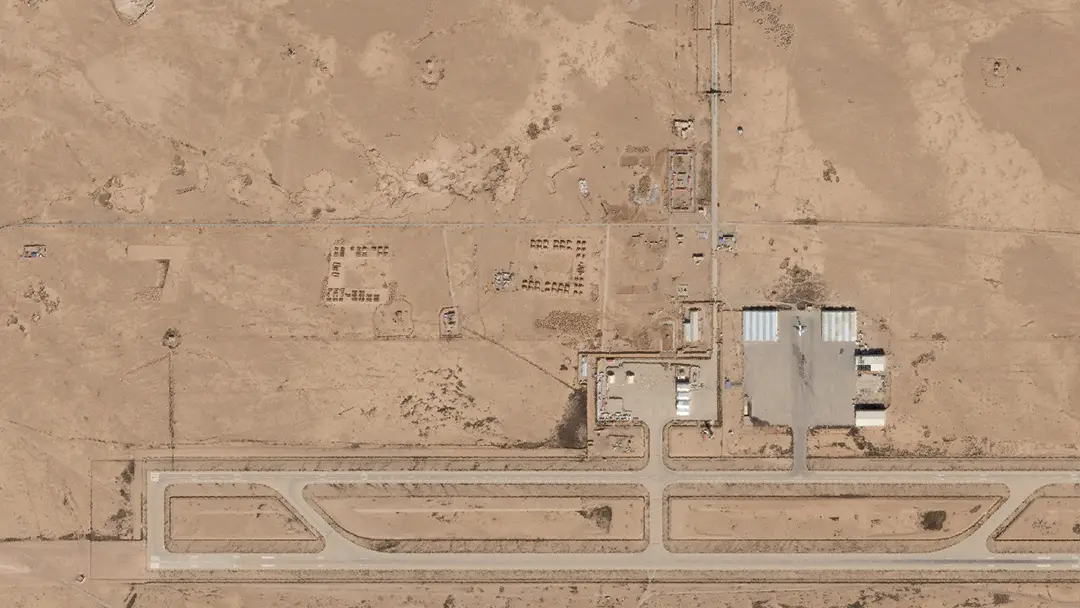
Recent developments in Libya reveal a growing Russian military presence across six key air bases, raising significant concerns about Moscow’s expanding influence in North Africa. Intelligence reports indicate that Moscow is not only deploying personnel but also transferring weapons and mercenaries, intensifying its strategic footprint in the region.
According to geospatial intelligence assessments, Russia is actively involved in funding, planning, and constructing infrastructure projects in six Libyan air bases: Al-Joufra, Al-Khadim, Al-Qardabiyah, Brak Al-Shati, Maaten al-Sarra, and Tamenhant. These bases are strategically positioned across Libya and house advanced military equipment, including air defense systems, MiG-29 fighter jets, and drones. Russian military personnel and affiliated mercenaries are reportedly operating within these facilities, with plans to further invest in the port and air base of Tobruk.
From Syria to Libya: A Shifting Military Strategy
Following the fall of the Syrian regime in late 2024, Russia shifted its transit operations from Syria to Libya, where it previously failed to secure a port. Moscow now appears to be consolidating its presence deep within Libyan territory, particularly after restoring the abandoned Maaten al-Sarra air base in southern Libya. This facility, once inactive since 2011, now serves as a critical hub for Russian operations in the Sahel.
Analysts highlight Maaten al-Sarra’s strategic importance, given its proximity to the borders of Chad and Sudan. The base enables Russia to supply weapons and military support directly to neighboring countries, including Burkina Faso, Mali, and Sudan. Russian technicians and Syrian troops have reportedly restored runways and storage facilities at the base, enhancing its operational capacity.
Al-Khadim: A Key Transit Point for Arms and Resources
The air base of Al-Khadim, located approximately 100 kilometers east of Benghazi, has become a central platform for arms trafficking and resource smuggling across the volatile region. Reports indicate that the base has been used to deliver weapons to the Rapid Support Forces (RSF) in Sudan during the ongoing civil conflict. In recent years, Al-Khadim has undergone significant expansion, including the construction of new hangars, a recreational center, and possibly a communication tower, along with temporary housing and support structures. By 2026, a barracks facility was added to the base.
Open-source investigations have documented the movements of a Gazprom representative traveling from Al-Khadim to a Russian-controlled mine in the Central African Republic in 2023, further underscoring the base’s role in logistical and resource networks. Geolocation tools have identified a Russian officer from the 102nd Motorized Rifle Division stationed at Al-Khadim, reinforcing the presence of regular Russian personnel.
Al-Joufra and Al-Qardabiyah: Expanding Infrastructure and Military Readiness
The air base of Al-Joufra, operational since 2019, has seen recent upgrades, including renovated hangars, small buildings, barriers, and storage facilities. Meanwhile, Al-Qardabiyah, linked to the Syrte International Airport, has witnessed substantial infrastructure improvements since 2022. Russian forces have renovated runways, constructed new perimeter defenses, and repaired hangars, enhancing the base’s operational readiness.
Brak Al-Shati and Tamenhant: New Fronts in Russia’s Military Expansion
Since March 2024, Russian forces have expanded their operations at Brak Al-Shati in southwestern Libya. Recent construction includes at least one new hangar and two buildings likely used for aircraft maintenance. The number of Russian personnel at the base has increased from 300 to 450 since December 2024, signaling a growing commitment to the facility.
Tamenhant air base, located in southern Libya, has historically served as a launchpad for Wagner Group mercenaries—now reorganized under the Africa Corps—to conduct military operations and facilitate arms shipments to Sudan. Recent reports indicate expansion efforts, including new buildings likely used for housing, a renovated road connecting the runway to hangars, and runway modifications to accommodate larger aircraft.
Obstacles to Peace and Regional Stability
Russia’s expanding military footprint in Libya poses a significant challenge to the fragile unification process in Tripoli. The presence of foreign troops and mercenaries, including Russian forces, has impeded efforts to expel non-Libyan fighters, thereby prolonging conflicts and undermining peace negotiations. Analysts warn that Moscow’s support for foreign-backed factions in Libya perpetuates instability, making sustainable peace agreements increasingly difficult to achieve.
Comments are closed, but trackbacks and pingbacks are open.