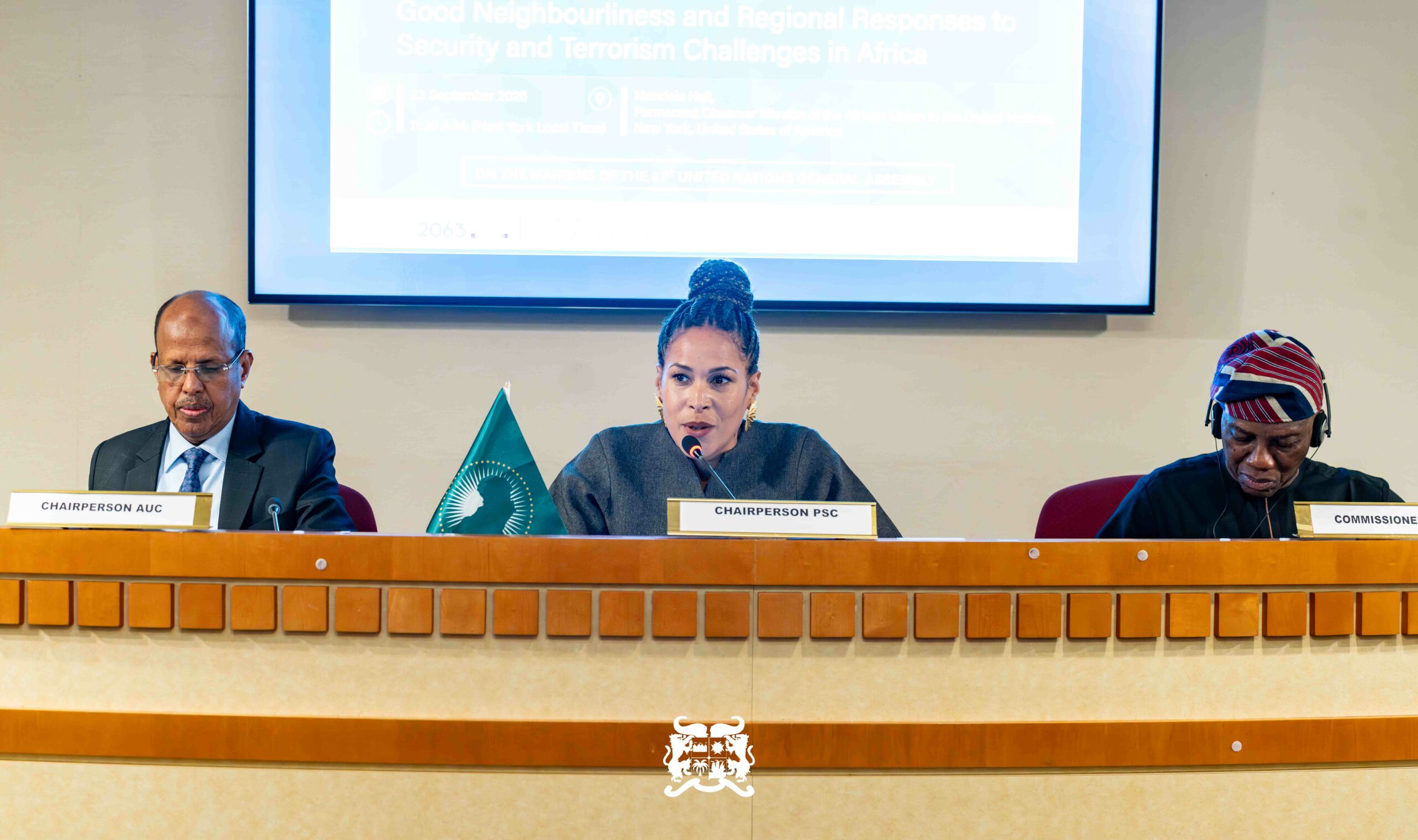
New York witnessed a pivotal discussion on Wednesday, September 23, 2026, as Benin assumed the chair of the African Union’s Peace and Security Council (CPS) at the United Nations headquarters. The high-level ministerial meeting, led by Foreign Minister Corinne Amori Brunet, brought together AU officials, regional representatives, and international partners to address transnational security challenges through the lens of good neighborliness.
Under the theme “Good Neighborliness and Regional Responses to Security and Terrorism Challenges in Africa,” the session highlighted how border communities are uniquely positioned to shape peace and stability. This diplomacy push follows Benin’s earlier hosting of the Swakopmund process on Women, Peace, and Security in Cotonou, reinforcing its commitment to inclusive and localized security strategies.
The forum erupts into debate: is neighborliness enough?
The meeting sparked reactions across African policy circles. Supporters praise Benin’s emphasis on trust-based collaboration, arguing that strong cross-border ties are essential for dismantling extremist networks and easing trade disruptions. Critics, however, question whether neighborliness alone can overcome entrenched mistrust, historical grievances, and competing national priorities.
Foreign Minister Brunet framed borders not just as lines on a map but as lived spaces for millions of Africans whose livelihoods depend on movement, trade, and shared heritage. “Transnational threats do not respect political boundaries,” she said. “The security of one nation is only as strong as the security of its neighbors.”
Practical steps debated: coordination or innovation?
Participants examined real-world tools to turn neighborliness into tangible gains:
- Swift cross-border intelligence sharing between security forces
- Joint patrols and joint border command centers
- Customized mobile courts to reduce impunity in border zones
- Targeted support for women-led peace initiatives in frontier areas
Yet, skepticism remains. Some delegates pointed to past failures of regional cooperation, citing inadequate funding, inconsistent political will, and lagging implementation. “We’ve heard these commitments before,” noted a northeast African envoy. “The real test is whether Benin’s leadership can translate words into measurable results before the next Council cycle.”
What comes next: can Benin shift the dial?
Benin’s presidency runs through September, culminating in Foreign Minister Brunet’s speech at the UN General Assembly on Monday, September 28. The coming weeks will reveal whether this diplomatic initiative can:
- Unlock new funding mechanisms for shared security projects
- Revive stalled cross-border commissions
- Institutionalize regular women-led dialogue forums in hotspot zones
- Strengthen civil society’s role in monitoring and reporting transnational threats
The fallout from this session is already reshaping conversations in Addis Ababa, Niamey, and beyond. As one regional expert put it, “Benin isn’t offering a magic solution. But by centering border communities and insisting on cooperative action, it may have discovered a path to stronger, more resilient security architecture in Africa.”
As the dust settles on New York, African leaders face a clear choice: double down on neighborly rhetoric or translate this moment into a lasting shift in how the continent secures its people.
Comments are closed, but trackbacks and pingbacks are open.