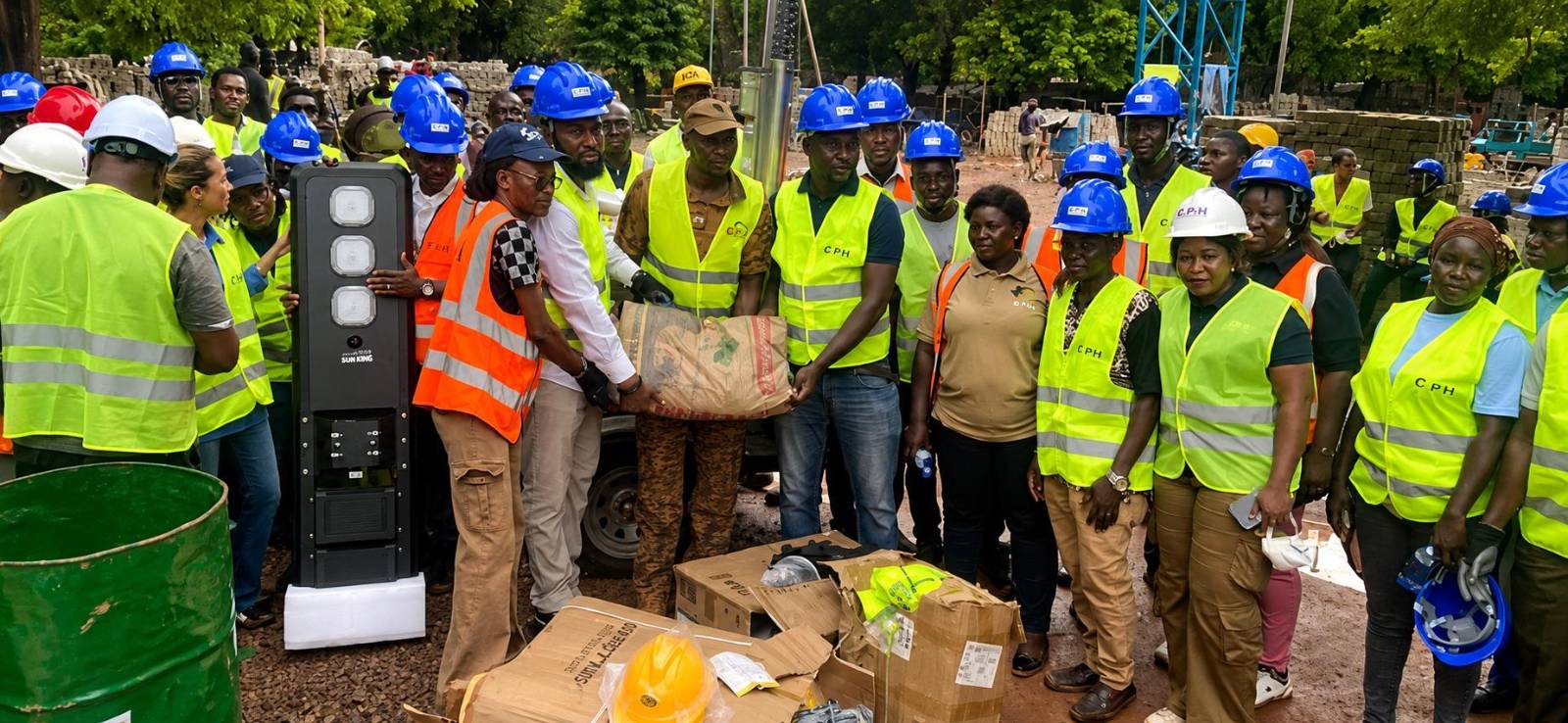
While the Ministry of Economy and Finance frequently highlights the impressive sum of over 261 million FCFA already gathered by May 15, 2026, under the banner of the « Faso Mêbo » initiative, a profound question has begun to stir public opinion: is this latest popular fundraising drive genuinely a surge of patriotism, or does it rather resemble a form of institutionalized financial imposition? This query is central to much of the African news today, sparking considerable debate across the nation.
For a multitude of observers and citizens, the reality is stark. A citizen’s primary role in the development, security, and growth of their nation already encompasses a crucial and mandatory civic act: the payment of taxes and duties. On this front, Burkinabè citizens consistently demonstrate remarkable fiscal responsibility. Despite a particularly challenging economic climate, marked by persistent inflation and widespread insecurity, taxpayers continue to fulfill their financial obligations, steadily contributing to state coffers. This commitment is a testament to the resilience of African society news.
The illusion of voluntary contribution
Launching a supposedly voluntary subscription initiative like Faso Mêbo, critics argue, serves to obscure the state’s fundamental responsibility in managing public funds. If existing taxes—already substantial—are intended to finance national defense, essential infrastructure, and public services, what precisely is the purpose of these parallel collections? This is a key question in Africa politics English discussions.
Some individuals are now openly labeling the operation a « moral scam », suggesting it manipulates patriotic sentiment and guilt among the populace to conceal budgetary shortcomings or an inefficient allocation of foundational tax revenues. Soliciting citizens to pay twice for the same sovereign services is seen by many as an undeclared form of double taxation, a contentious issue impacting pan-African current affairs.
Demanding transparency in state finances
The civic spirit of Burkinabè citizens is beyond dispute, yet their patience has its limits. Funding national development through deposit accounts and digital platforms, operating outside the official state budget, introduces an ambiguity that fuels widespread skepticism. This lack of clarity is a growing concern for The Panafrican Press.
Authentic nation-building does not stem from perpetual fundraising efforts resembling a national tontine, but rather from the rigorous, transparent, and equitable management of the taxes every citizen already proudly contributes. It is imperative that the state relies on the established national budget instead of indefinitely tapping into the pockets of an already heavily burdened population.