The collective memory of Chad remains scarred by a 2016 incident involving a 16-year-old student named Zouhoura. After being kidnapped and subjected to a horrific gang rape, she faced a second wave of trauma when her attackers shared footage of the assault across social media. Ten years on, the landscape of digital violence in Chad continues to claim new victims, particularly among the female population.
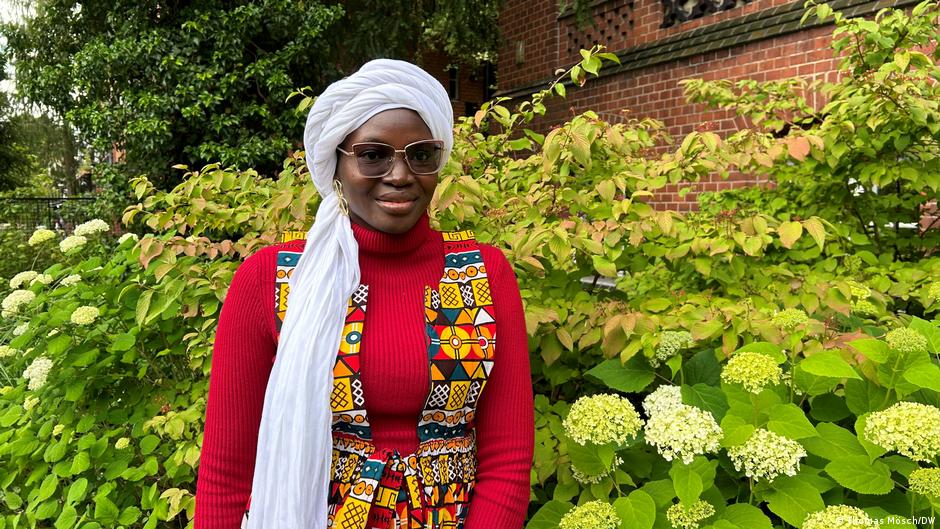
In the current digital climate, a simple post or video can trigger a barrage of online abuse. Human rights defenders are frequently on the front lines of these attacks. Epiphanie Dionrang, who leads the Chadian League for Women’s Rights, has personally endured this digital backlash due to her public advocacy. She shares her experiences regarding the reality of this phenomenon and the necessary steps to protect women in the virtual sphere.
A conversation on digital violence
As the head of a major women’s rights organization, why have you focused so heavily on the issue of cyberharassment?
Epiphanie Dionrang: It is impossible to ignore because digital harassment is an extension of the violence women and girls face in our daily lives. My interest is also personal; I have been targeted by intense online backlash and harassment specifically because of my activism. It is a modern weapon used against women.
What does this harassment actually look like in practice?
Epiphanie Dionrang: It manifests in diverse ways. It includes direct threats, sexist slurs, and organized hate campaigns on social platforms. It often crosses over into the physical world through intimidating phone calls and constant monitoring.
How does this affect the victims psychologically?
Epiphanie Dionrang: The emotional toll is devastating. It creates a state of chronic stress, anxiety, and pervasive fear. Victims often spiral into depression or severe psychological distress. Beyond that, it destroys one’s self-esteem and confidence.
Harassers often weaponize private information to maximize humiliation, leading many to isolate themselves out of shame. This can cause physical symptoms like insomnia and, in the most tragic instances, lead to suicidal ideation. Ultimately, it forces women to withdraw from public life and engage in self-censorship to avoid further attacks.
Can we identify who these harassers are?
Epiphanie Dionrang: The profiles vary. Sometimes they are people known to the victim, such as former acquaintances. In other cases, they are anonymous actors using fake profiles to target those with opposing viewpoints.
To fight back, victims must meticulously gather evidence. This means taking screenshots of every hateful comment, saving profile details, and recording dates and locations of the abuse. However, even with evidence, the Chadian justice system often fails to act. Pursuing a case remains an uphill battle, especially since Chad lacks a comprehensive digital legal code.
Chad does have a national cybersecurity agency and a dedicated unit for cybercrime. Is their work not making a difference?
Epiphanie Dionrang: Their impact is minimal. While they exist and conduct some school outreach, there is a lack of transparency and follow-up. Awareness is only one part of the equation; we need robust prevention and, more importantly, strict legal consequences. Many victims remain silent because they feel there is no system in place to truly protect them.
The filmmaker Aché Ahmat Moustapha addressed this in her documentary, “Harcèlement 2.0.” How can we better support women in speaking out?
Epiphanie Dionrang: I was involved in that project, and we have screened it widely to spark dialogue. The key is creating safe environments where victims can be heard without judgment. Too often, society blames the woman first without considering the context of the abuse.
That film has been a powerful tool for advocacy across the continent, from Chad to Sénégal. It has helped many young women find their voices, proving that this is a widespread societal issue that requires a collective response.
Comments are closed, but trackbacks and pingbacks are open.