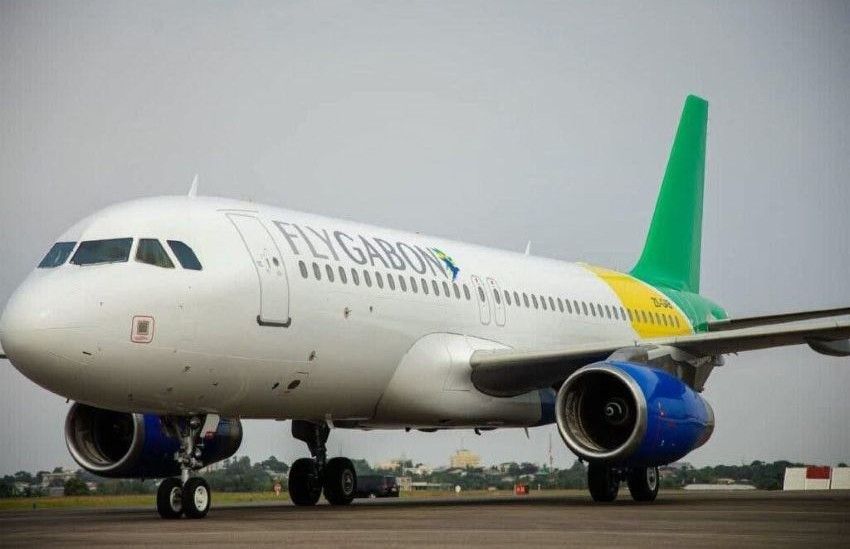
FlyGabon expands to Europe with bold air connectivity strategy
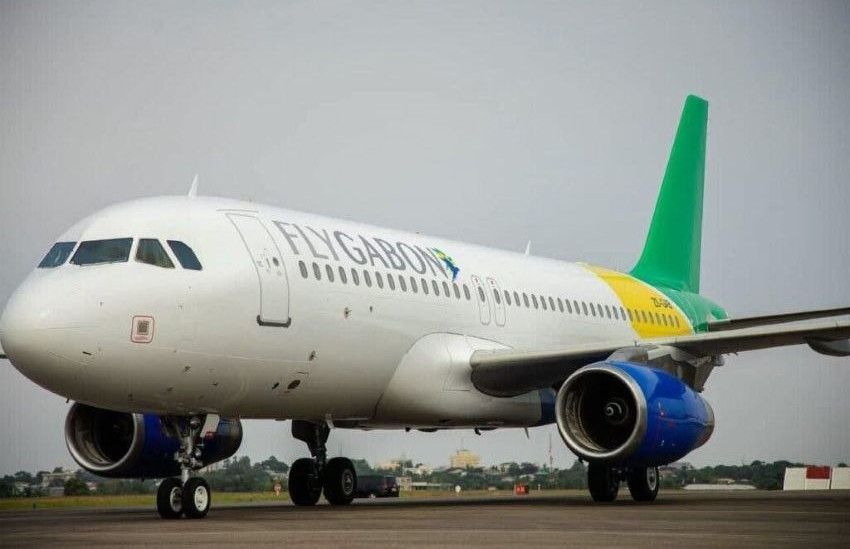
Libreville, June 19, 2026 — For decades, Gabon’s air transport sector has operated primarily within domestic and regional boundaries. But a transformative shift is underway, as FlyGabon prepares to launch direct flights to Paris and London. This move isn’t merely about expanding routes; it signals a strategic pivot to position Gabon within global trade and investment corridors.
The initiative reflects a broader national ambition: to reduce reliance on foreign carriers while enhancing Libreville’s role as a gateway between Central Africa and Europe. In an era where air connectivity defines economic influence, FlyGabon’s expansion represents a calculated step toward asserting Gabonese sovereignty in mobility and commerce.
Why Europe is the next frontier for FlyGabon
Under the ownership of Fly Air Gabon Holding, the state-backed airline is modernizing its fleet with Boeing 737 Next Generation and Boeing 737 MAX aircraft. The MAX variant, with a range of up to 6,500 kilometers, is particularly pivotal. It enables direct routes from Libreville to key European hubs: approximately 5,450 km to Paris and 5,750 km to London.
Until now, most Gabon-Europe travel required connections through foreign hubs. Direct flights would transform Libreville into a primary departure and arrival point, streamlining business, tourism, and trade flows. The economic stakes are high, given Gabon’s substantial trade ties with Europe—particularly in oil, manganese, processed timber, and foreign investment.
A flexible approach to fleet expansion
FlyGabon’s strategy mirrors global aviation trends by prioritizing operational leasing over outright aircraft purchases. This model, adopted by two-thirds of global airlines, minimizes upfront costs, preserves cash flow, and offers unmatched operational agility.
For African carriers, leasing is especially advantageous. Delivery delays from manufacturers like Boeing or Airbus can stretch to five years. By leasing, FlyGabon can rapidly scale capacity to meet market demand without locking into long-term financial commitments—a pragmatic solution for sustainable growth.
Libreville’s ambition to become a regional hub
Beyond technicalities, FlyGabon’s expansion is part of a national vision: transforming Libreville into a strategic nexus connecting Central Africa and Europe. This aligns with ongoing infrastructure modernization across ports, logistics, and economic corridors—all designed to diversify Gabon’s economy.
A strong national airline does more than symbolize sovereignty; it serves as a catalyst for investment, tourism, and regional integration. The challenge is formidable—European routes are among the most competitive globally, demanding top-tier safety, punctuality, and service standards. Yet FlyGabon’s trajectory underscores a clear intent: to transition from a domestic operator to a continental player capable of sustaining long-term connections with Europe’s economic powerhouses.
The announcement of Paris and London routes marks more than a commercial milestone. It embodies a new era of national connectivity, where aviation becomes a lever for economic development, international influence, and strategic autonomy. For FlyGabon, the real ascent may now begin across the Atlantic.
Comments are closed, but trackbacks and pingbacks are open.