As debates intensify over financial resource management and economic sovereignty, this analysis sheds crucial light on upcoming decisions.
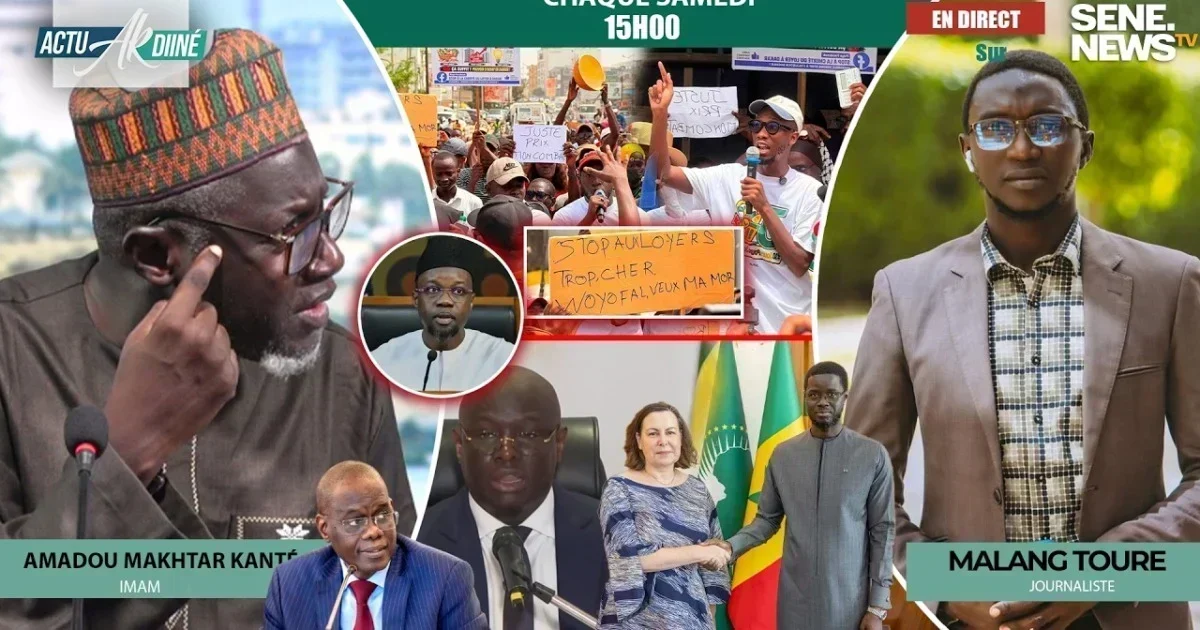
The recent approval of a significant loan from the International Monetary Fund to Senegal has sparked widespread discussion, particularly regarding the ambitious projects championed by Prime Minister Ousmane Sonko. This development comes at a time when the nation is navigating complex political and economic terrain, with questions about fiscal prudence and long-term strategic planning at the forefront.
Sonko’s vision for Senegal’s economic future, which includes infrastructure development and social programs, now hinges on the effective utilization of these funds. However, the loan’s terms and conditions, coupled with the government’s commitment to transparency, will be critical in determining whether these initiatives translate into tangible benefits for the population.
Observers note that the IMF’s involvement is not merely a financial transaction but also a signal of international confidence in Senegal’s economic direction. Yet, critics caution against over-reliance on external borrowing, urging the administration to prioritize sustainable growth and local investment.
As the government prepares to implement its agenda, the balance between meeting immediate needs and ensuring long-term sovereignty remains a delicate one. The coming months will reveal how Sonko navigates these challenges, with the loan serving as both an opportunity and a test of his administration’s resolve.