France and Morocco deepen strategic ties in Rabat talks
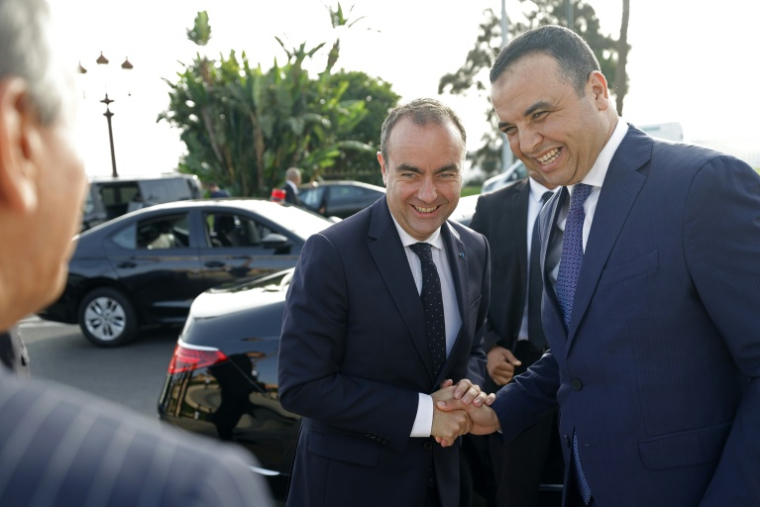
French Prime Minister Sébastien Lecornu concluded a landmark two-day visit to Rabat this week, marking a significant step in the revitalization of Franco-Moroccan relations. The official trip, which included high-level discussions with Moroccan counterparts, underscored a mutual commitment to elevating bilateral cooperation across multiple sectors.
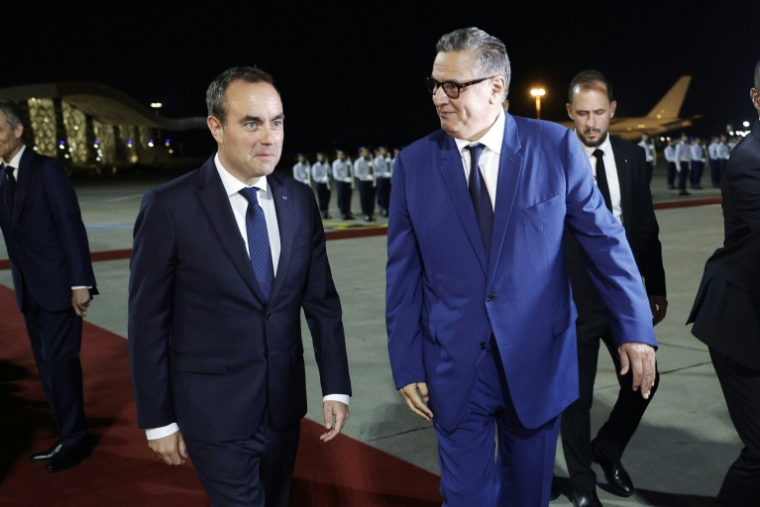
During his visit, Lecornu emphasized the need to “elevate the relationship to a new level,” aligning with the vision set by French President Emmanuel Macron and Morocco’s King Mohammed VI. A potential state visit by the Moroccan monarch to Paris remains under consideration, reflecting the strengthening ties between the two nations.
Franco-Moroccan relations have witnessed remarkable improvement since mid-2024, when France officially recognized Morocco’s sovereignty over the disputed Western Sahara region—a move that strained relations with neighboring Algeria. The diplomatic thaw continued with Macron’s official visit to Rabat in October 2024, which concluded with the signing of an exceptional “enhanced partnership” and several high-value economic agreements.
This week’s meetings in Rabat focused on consolidating security cooperation, particularly in counterterrorism efforts across the Sahel, where both nations face growing jihadist threats. Lecornu highlighted the shared strategic interests of France and Morocco in Africa, proposing Morocco as an “anchoring port” for enhanced EU-Morocco relations.
Diplomatic milestones and security priorities
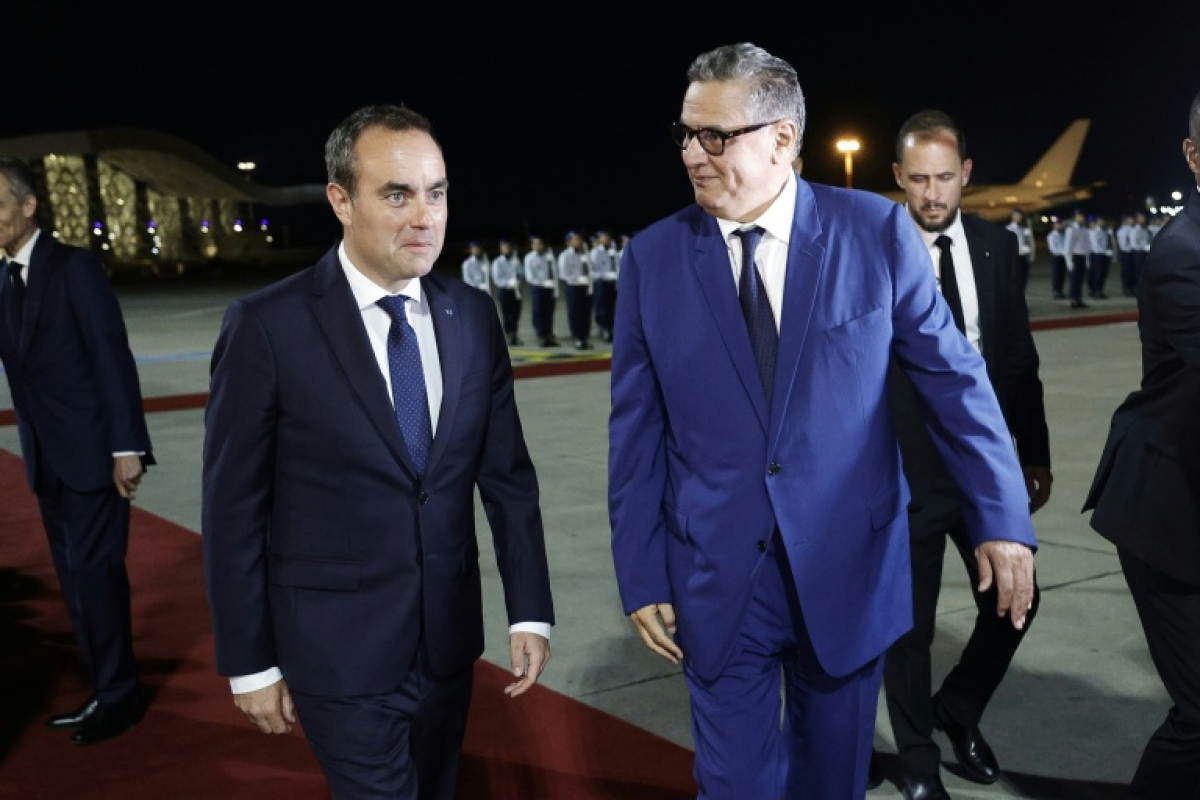
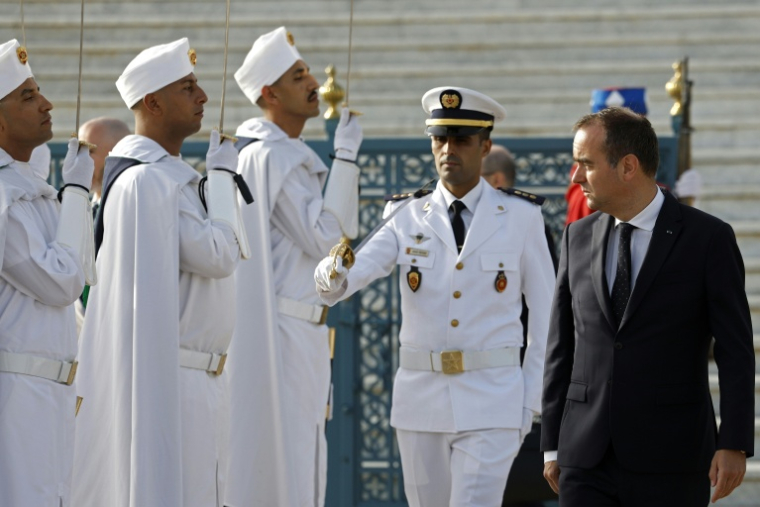
The visit coincided with the resumption of the 15th “High-Level Meeting” between the two delegations—a dialogue mechanism dormant since 2019. Lecornu’s delegation, comprising twelve ministers including Foreign Affairs and Interior heads, was accorded full military honors upon arrival in Rabat.
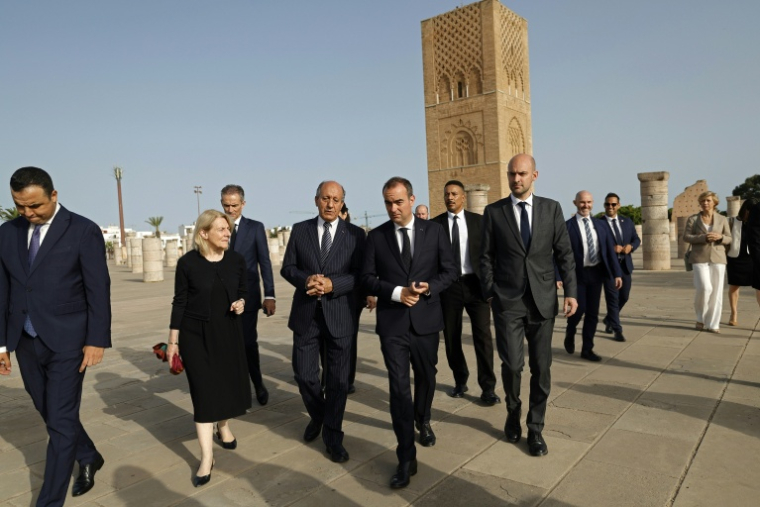
Accompanied by Moroccan government spokesperson Mustapha Baitas, Lecornu paid respects at the Royal Mausoleum, where leaders of both nations laid wreaths at the tombs of former kings Mohammed V and Hassan II. The subsequent talks between Lecornu and Moroccan Prime Minister Aziz Akhannouch centered on accelerating previously signed agreements and charting future collaborations.
Morocco has emerged as France’s primary diplomatic partner in North Africa, with Paris shifting its strategic focus away from maintaining a delicate balance with Algiers. The shift reflects growing confidence in Rabat’s regional influence and security capabilities, especially as Algeria remains cautious in sharing intelligence despite resumed Franco-Algerian cooperation.
Economic and security agreements on the horizon
A total of fifteen agreements are expected to be finalized during these meetings, spanning economic, security, migration, and defense sectors. Key initiatives include a proposed Rabat regional express rail network (RER) and cultural exchange programs. In defense, discussions will explore potential partnerships in arms manufacturing.
While questions lingered about recent reports on alleged Moroccan use of Pegasus spyware—claims Rabat has consistently denied—officials from both sides maintained discretion. An advisor to the French presidency reiterated the goal of “strengthening the framework of cooperation and trust” between the two nations.
As both countries navigate evolving geopolitical landscapes, the strengthening of Franco-Moroccan relations signals a new chapter in regional diplomacy, with far-reaching implications for security and economic integration in North Africa.