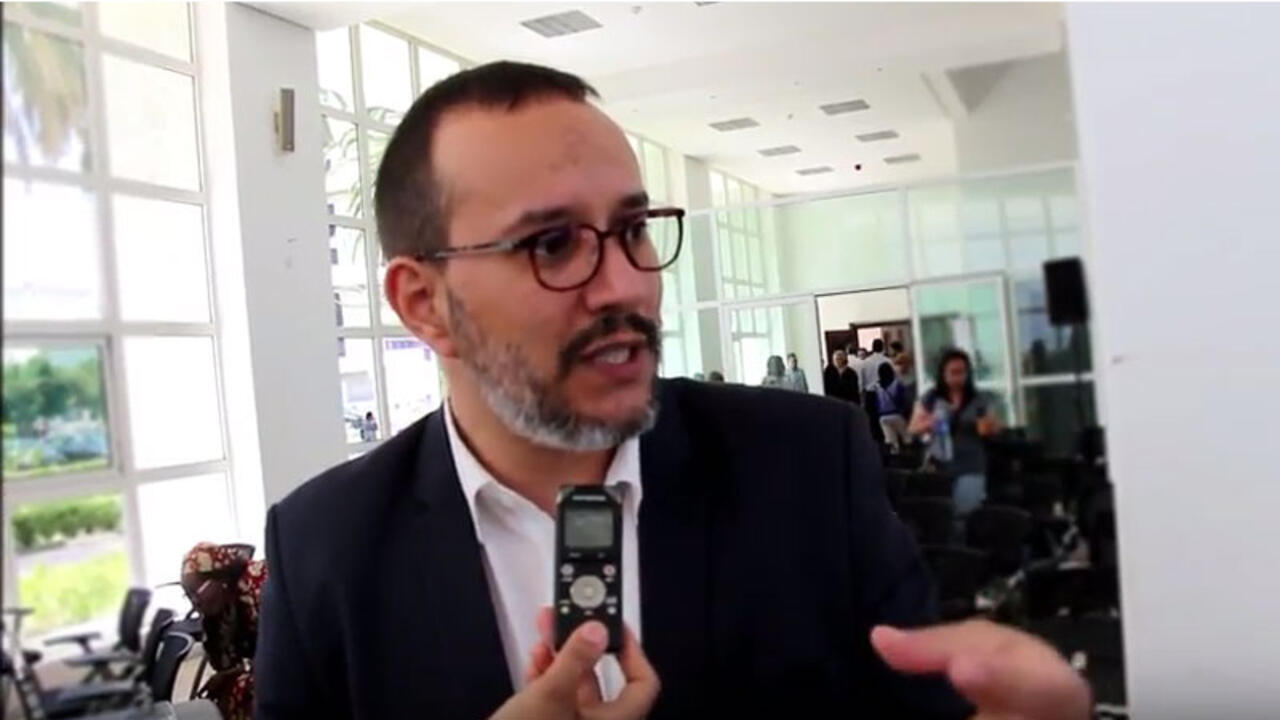
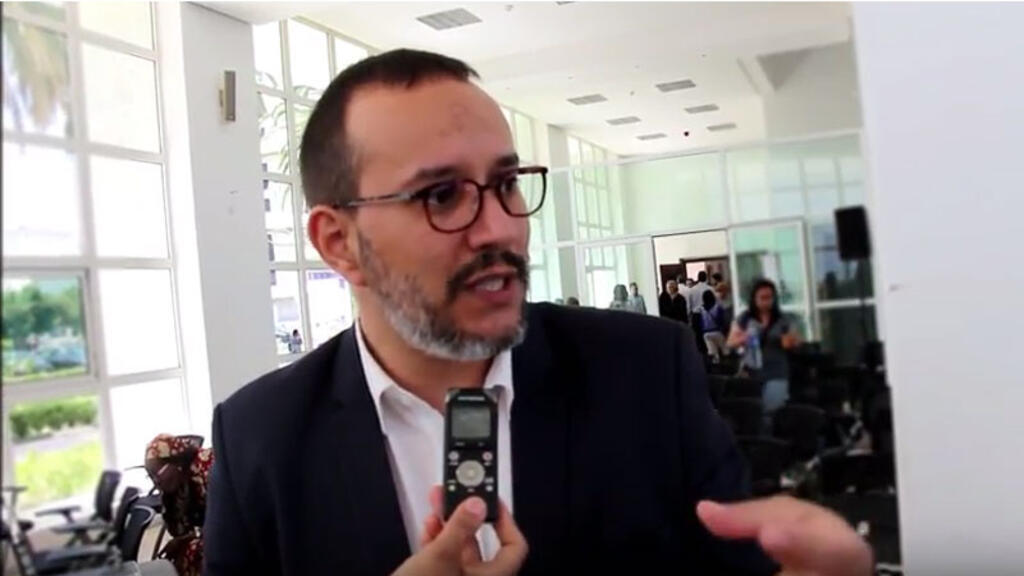
The French Prime Minister, Sébastien Lecornu, arrived in Morocco on July 15, 2026, leading a high-level delegation of over a dozen ministers. With several agreements expected to be signed during the visit, the trip also coincides with rising tensions over human rights concerns in Rabat, following legal action against a journalist and an artist. Mehdi Alioua, a sociologist at the International University of Rabat and Chair of Migrations, Mobilities, and Cosmopolitanism, shares insights on the evolving France-Morocco relationship and its broader implications for Africa.
France and Morocco: a complex partnership in Africa
Is France losing ground to Morocco in sub-Saharan Africa? The question arises as Paris adjusts its strategy while Rabat strengthens its presence. Mehdi Alioua, a Moroccan sociologist, weighs in on this dynamic.
Mehdi Alioua: The situation is nuanced. While many Moroccan investments in Africa are joint ventures with French companies or coordinated with French diplomacy, Rabat has also pursued independent initiatives. The King of Morocco has made it clear that Morocco’s African policy is for Africa, not just for its own interests. This includes full Moroccan investments and a proactive diplomatic approach.
Could Morocco help improve strained relations between France and the Sahel?
Morocco is actively seeking to play a constructive role. The issue isn’t necessarily about strained relations between peoples but rather political complexities. Take Mali, for example—relations have deteriorated at the political level due to populist rhetoric against France. However, Morocco’s approach differs significantly. Our historical ties with the Sahel run deep, predating Islam and spanning centuries. The Almoravid dynasty, which gave the French word marabout, originated in the Sahel and ruled an empire stretching from Spain to modern-day Guinea and Mali. These enduring connections give Morocco a unique diplomatic advantage in the region.
Human rights concerns and Morocco’s evolving image
Recent arrests of critical voices, including journalist Ali Lmrabet and rapper Mehdi Black Wind, raise questions. Should we be worried?
Any imprisonment of journalists or artists is concerning. While Morocco’s judicial system operates independently in principle, these cases highlight lingering challenges. The journalist in question has been released but remains under investigation, allowing for a proper defense. The legal process will unfold, and human rights defenders are already mobilizing. Morocco has made significant progress in human rights, but old reflexes occasionally resurface.
Can Morocco match France’s influence in Africa?
Is Morocco now as attractive to sub-Saharan Africans as France once was?
Not yet, but Morocco is gaining ground. The country has invested heavily in the Africa Cup of Nations, aiming to showcase its capabilities. However, this strategy has faced criticism domestically—young Moroccans question why funds are directed toward stadiums while poverty remains an issue. Internationally, a single incident, such as the recent Morocco-Senegal final controversy, can quickly shift public opinion. Overconfident claims about Morocco’s superiority in African football also risk backfiring. Morocco’s appeal is growing, but it also faces skepticism. As long as Morocco remains a lower-middle-income country, it won’t match France’s soft power. Only when Morocco achieves greater economic prosperity will it rival—or surpass—France in regional influence.