In a global climate where the fight against financial malpractice is a primary metric for state credibility, Gabon is currently the focus of international scrutiny. This week, the nation is participating in a critical evaluation process to determine the effectiveness of its integrity systems and governance reforms.
Since June 29, Libreville has been hosting a specialized mission for the second review cycle of the United Nations Convention against Corruption (CNUCC). While the sessions may appear technical, the political and economic stakes for the country are significant, touching on the very foundations of its institutional framework.
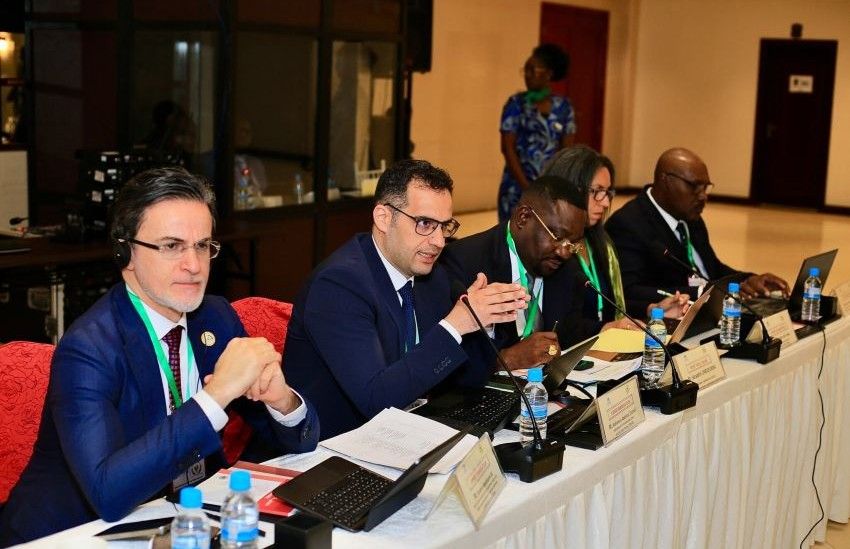
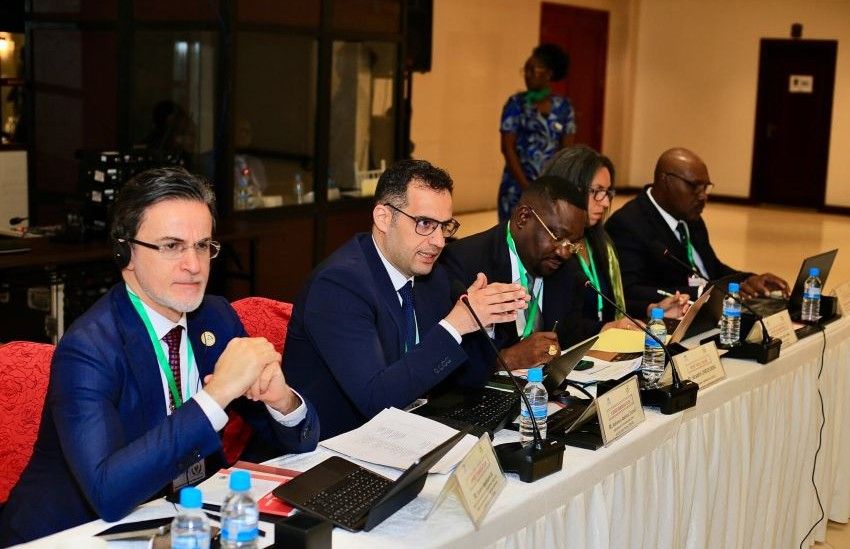
Over several days, specialists from the United Nations Office on Drugs and Crime, alongside delegates from Chad and Libya and local institutional representatives, are analyzing Gabon‘s prevention strategies. The review covers international judicial cooperation, asset recovery, and the robustness of national oversight bodies. The core objective is to evaluate how effectively international anti-graft commitments are being implemented on the ground.
Beyond diplomatic formalities
The proceedings, held at the Hôtel Boulevard, represent a vital phase in the modernization of public governance. The agenda focuses on financial traceability, inter-institutional coordination, and the legal tools used to combat illicit enrichment. Séraphin Ondoumba, a key coordinator for the process and member of the National Commission Against Corruption and Illicit Enrichment (CNLCEI), noted that this review highlights both significant progress and areas requiring further attention.
For international observers, the focus extends beyond legislation to the actual establishment of a culture of integrity. In today’s economy, transparency is no longer optional; it is a prerequisite for attracting foreign investment. International financial institutions now weigh a country’s governance quality as heavily as its economic potential.
Governance as a pillar of national transformation
The evaluation also sheds light on the structural reforms initiated under the leadership of President Brice Clotaire Oligui Nguema. The current administration has prioritized the rationalization of public spending, the enhancement of administrative audits, and the modernization of revenue collection. Vice-President Hermann Immongault emphasized that these efforts are part of a broader mission to align Gabon with global standards of accountability.
A major component of this shift involves the digitalization of administrative and financial workflows. By moving away from opaque manual systems, the state aims to secure public funds and ensure every transaction is traceable. The mission is also scrutinizing internal control mechanisms and training programs designed for public officials.
The measure of a modern state
This assessment serves as a litmus test for Gabon‘s institutional maturity. In an era of heightened transparency requirements, nations that can prove the efficiency of their governance frameworks gain a distinct advantage in both diplomacy and economic competitiveness. Gabon appears to recognize that integrity is a strategic asset, as essential to development as physical infrastructure like roads or energy grids.
The findings from this mission will likely dictate the next steps for policy adjustments. However, the ultimate success will depend on the consistent application of these standards. For Gabon, this week in Libreville is a defining moment in its journey toward becoming a more transparent and globally respected partner.
Comments are closed, but trackbacks and pingbacks are open.