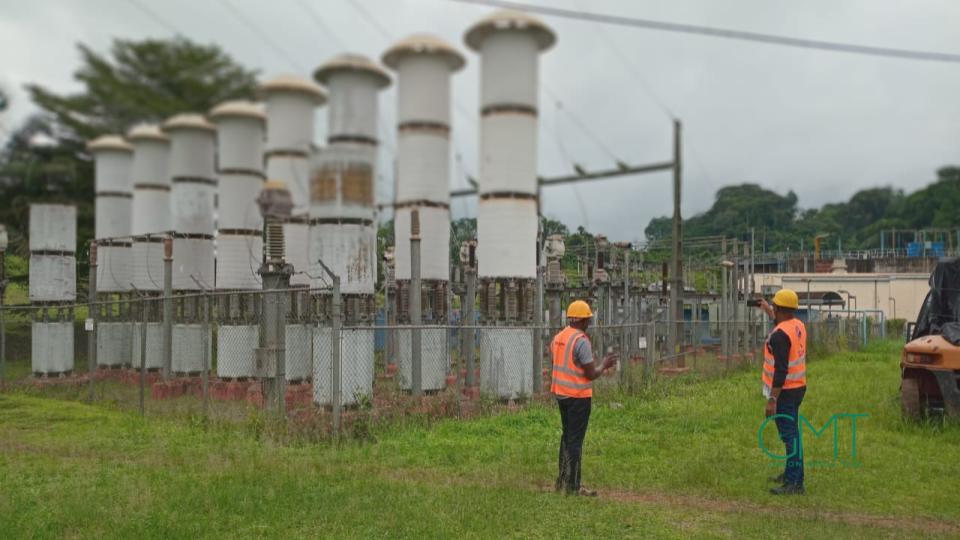
The first quarter of 2026 has seen Gabon’s electricity production plummet by 13.2% compared to the previous quarter and a staggering 20.1% year-over-year decline. This alarming trend, highlighted in the latest Sectoral Outlook report from the General Directorate of Economics and Fiscal Policy, exposes a deep-rooted systemic weakness that households have endured for too long.
Beyond the numbers, the report identifies frequent breakdowns as the culprit behind the collapse. The root cause? Chronic underfunding in maintenance, a chronic issue long observed by analysts. Years of deferred investments and hasty repairs have pushed the national power grid to its breaking point, leaving infrastructure vulnerable to failure.
When power fails, the consequences ripple far beyond flickering lights and idle appliances. The report warns of a cascading crisis: repeated outages are now crippling the nation’s water supply. Mechanical seal leaks and pump failures—exacerbated by electrical surges—are pushing already strained equipment to the brink. This domino effect underscores a dangerous reality: the collapse of electricity doesn’t just disrupt daily life—it directly threatens access to safe drinking water for thousands.
An interdependent crisis
This vicious cycle reveals the perilous interdependence of Gabon’s essential services. The power grid’s failure no longer jeopardizes comfort or commerce; it now endangers a fundamental necessity. With two critical pillars of daily life—electricity and water—under simultaneous threat, the crisis has evolved beyond a single operator’s responsibility. It now imperils the nation’s entire infrastructure network. Without a robust, long-term modernization plan, Gabon risks descending into a cycle of widespread blackouts and disruptions.