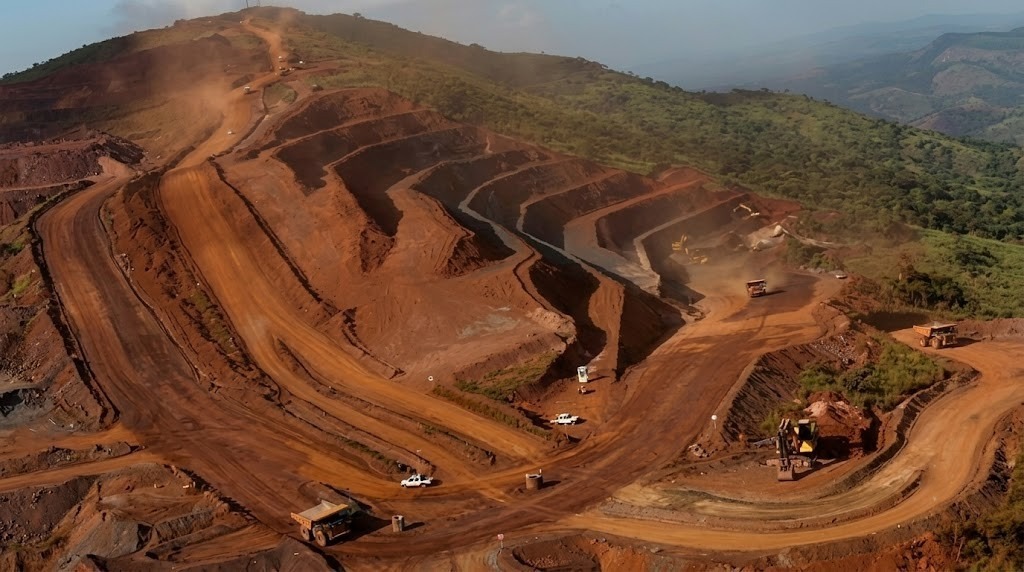
The Burkina Faso gold industry is undergoing a seismic shift under the current transitional government. With the establishment of the National Precious Substances Company (SONASP) in 2023 and the inauguration of local infrastructure projects such as the national gold refinery in Ouagadougou, authorities are pushing a bold agenda: reclaiming control over the gold supply chain to bolster economic autonomy.
Yet beneath the rhetoric of self-reliance and the impressive mid-year figures—with dozens of tons of gold entering official markets—the bold strategy faces structural contradictions and rising geopolitical pressures. A closer look reveals a complex balancing act between breaking old dependencies and potentially forging new ones.
Partnerships under the microscope: from old chains to new risks
The cornerstone of Burkina Faso’s mining policy is reshaping international alliances. By granting mining permits to foreign firms, including entities linked to Russia such as Nordgold, the government seeks to diversify its mining landscape and reduce reliance on traditional partners.
But this pivot raises critical questions:
- New dependencies in disguise: While swapping one set of international actors for another, the country may be trading familiar vulnerabilities for uncharted geopolitical risks.
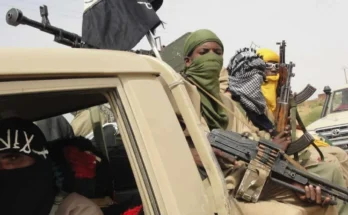
- Accountability in a fragile environment: The real test lies in how institutions like the BUMIGEB and SONASP can enforce strict traceability and ensure local communities benefit—especially in regions where insecurity complicates both artisanal and industrial mining.
The gold reserve controversy: a test of national credibility
Recent rumors about relocating part of Burkina Faso’s gold reserves to the Russian Federation ignited public debate. Though the Ministry of Economy and Finance swiftly dismissed the claims as misinformation, the episode exposed deeper tensions in how the country manages its most strategic asset.
Storing sovereign gold abroad—especially in a country under heavy international sanctions and banking restrictions—carries substantial financial and legal risks. Beyond liquidity concerns, such a move would undermine the very principle of national sovereignty that the government claims to uphold. Physical gold remains the ultimate financial safeguard; entrusting it to a foreign entity in today’s volatile geopolitical climate contradicts the stated goal of full economic independence.
Local transformation: refining the vision, securing the future
The decision to refine gold domestically marks a symbolic milestone. Yet, turning this ambition into reality demands more than political will—it requires overcoming persistent challenges:
- Supply chain integrity: Ensuring the refinery receives consistent, legitimate inputs means combating fraud in artisanal mining zones, many of which lie in insecure areas.
- Real benefits for communities: The mining sector must evolve from a revenue-driven model to one that fosters sustainable job creation and local infrastructure development.
The government’s push to rebalance the distribution of mining rents in favor of the state reflects a pragmatic response to national economic priorities. However, to make this sovereignty durable, Burkina Faso would be wise to prioritize internal transparency, secure national reserves, and strengthen domestic infrastructure—rather than expose its gold to the uncertainties of external geopolitical negotiations.