Diplomatic stagnation amidst unresolved tensions
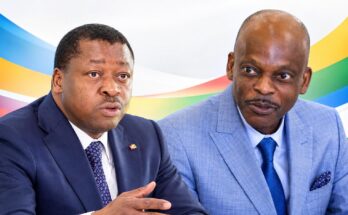
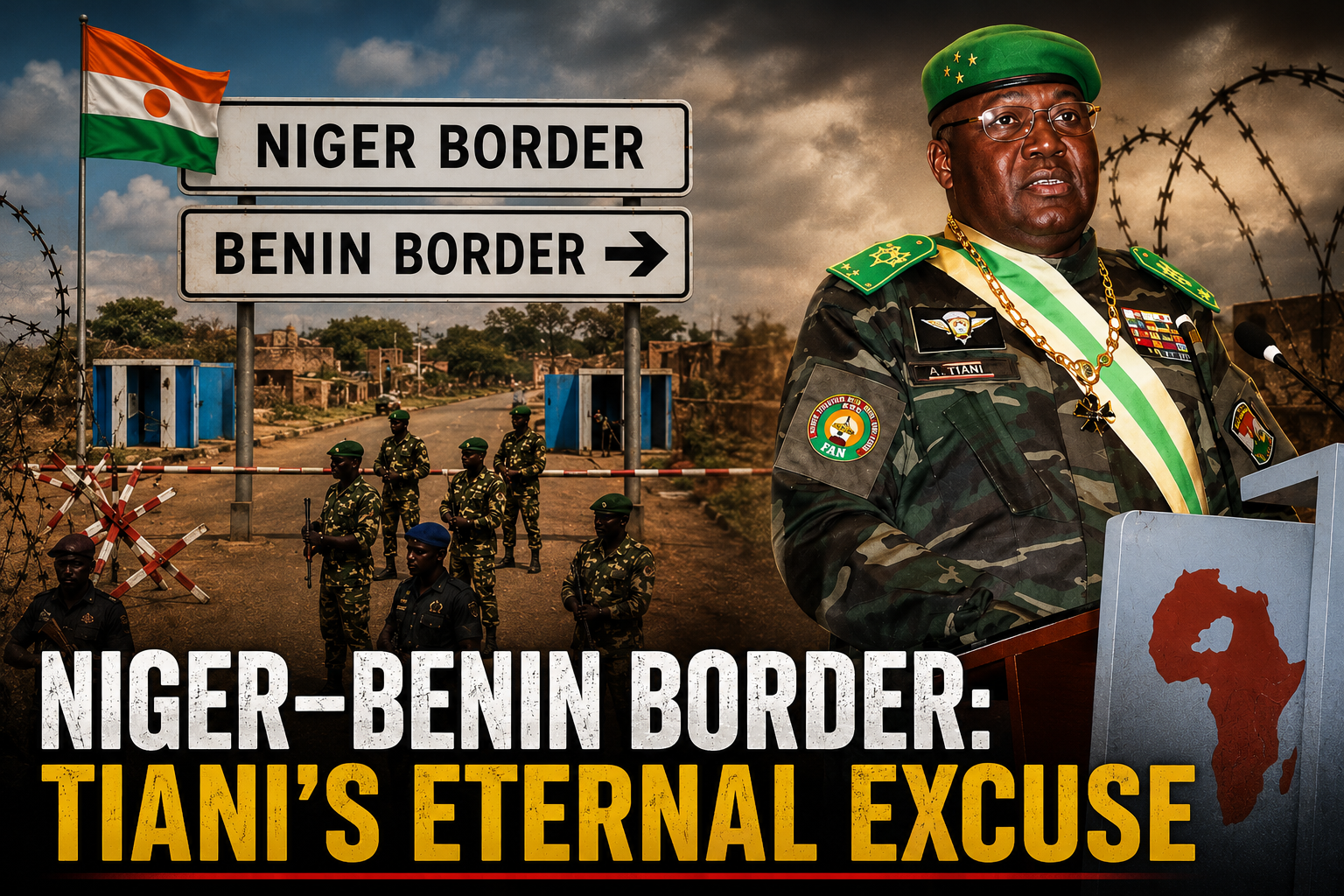
Nearly two months after Bénin’s President Romuald Wadagni’s visit to Niamey and five weeks following technical discussions between experts from both nations, hopes for a swift resolution to the Niger–Bénin border crisis had begun to resurface. The joint deliberations had signaled a potential thaw in relations, hinting at a gradual resumption of cross-border exchanges. However, on July 26—during the first anniversary of his military ascension—General Abdourahamane Tiani unequivocally dismissed any near-term prospects for normalization. In a televised address to the nation, he stated, ‘Certain prerequisites must be addressed before we can consider the irreversible step of reopening the border.’
A deliberately ambiguous blockade
The crux of the impasse lies in the absence of tangible definitions. What precisely constitutes these ‘prerequisites’? What measurable benchmarks would signify their fulfillment? No timeline, no criteria—only deliberate opacity. This strategic vagueness grants the military regime unchecked latitude to defer reopening indefinitely, absolving itself of any obligation to justify its stance. Each new condition can be substituted for another, ensuring the border remains a perpetual source of tension rather than a conduit for reconciliation.
Security rhetoric losing its credibility
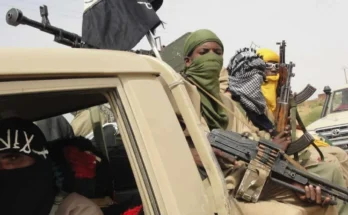
Since July 2023, the regime has repeatedly invoked security as justification for maintaining the closure. Niamey contends that Bénin’s territory serves as a rear base for armed factions or foreign actors threatening Niger’s stability. Yet, these claims have consistently lacked publicly verifiable evidence. Meanwhile, attacks by militant groups persist unabated in regions such as Tillabéri, Tahoua, and Diffa—undermining the narrative that the border’s closure has bolstered domestic security. If isolation were the answer, why do insurgent activities remain rampant?
Recent bilateral technical sessions between Bénin and Niger had aimed to reconcile security concerns with the gradual restoration of trade flows. By dismissing these efforts, General Tiani underscores that the border’s fate hinges solely on political calculus, not technical feasibility. The dialogue now appears a delaying tactic rather than a pathway to resolution.
Economic fallout: a burden shared unequally
The prolonged closure exacts a heavy toll, disproportionately affecting Niger despite Bénin’s own losses. Cotonou’s port traffic has dwindled, customs revenues have declined, and transport operators face mounting losses. For landlocked Niger, the impact is devastating. Reliance on alternate, longer routes via neighboring countries has inflated logistical costs, cascading into severe repercussions:
- Soaring living costs: Staple foods, construction materials, and pharmaceuticals have become prohibitively expensive;
- Commercial disruptions: Small-scale traders along the border have seen incomes evaporate, while once-vibrant border towns grapple with economic decline;
- Competitiveness erosion: Local businesses struggle to compete as input costs surge and supply chains fragment.
Beyond economics, the closure has eroded regional collaboration. University exchanges, cross-border local governance initiatives, and joint development projects have stalled. Paradoxically, the clampdown has not eradicated illicit trade; rather, it has driven smuggling networks underground, complicating state oversight.
Sovereignty as political theater
General Tiani’s insistence on an ‘irreversible’ decision frames the border as a symbol of defiance against external pressures. Yet this posture raises a critical question: Is sovereignty best asserted through isolation or through the protection of citizens’ welfare? Observers argue that the prolonged closure increasingly serves as a domestic propaganda tool, reinforcing the junta’s narrative of perpetual resistance to galvanize internal support.
Human consequences eclipsed by political posturing
The human cost—often overlooked—is stark. Transport workers idle, merchants ruined, students barred from travel, and families separated. Each passing week deepens these hardships, delaying the prospect of normalized relations. The crisis, now in its third year, has transformed the border from a security issue into a political lever, with no tangible benefits in sight.
Ultimately, reconciliation may only materialize when political expediency yields to the pressing needs of citizens and the imperative of rebuilding regional trust through dialogue and pragmatic cooperation.