Gabon tackles water scarcity with bold infrastructure plans
Libreville, July 18, 2026 — Water access has emerged as a critical geopolitical challenge across Africa. At the African Water Forum in N’Djamena, heads of state delivered a clear message: without massive investments in hydraulic infrastructure, stronger regional cooperation, and climate adaptation measures, sustainable development goals will remain out of reach.
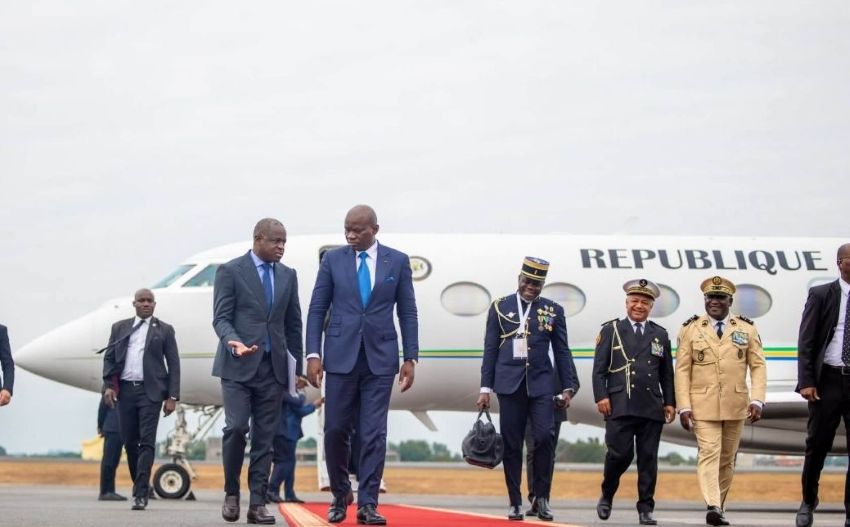
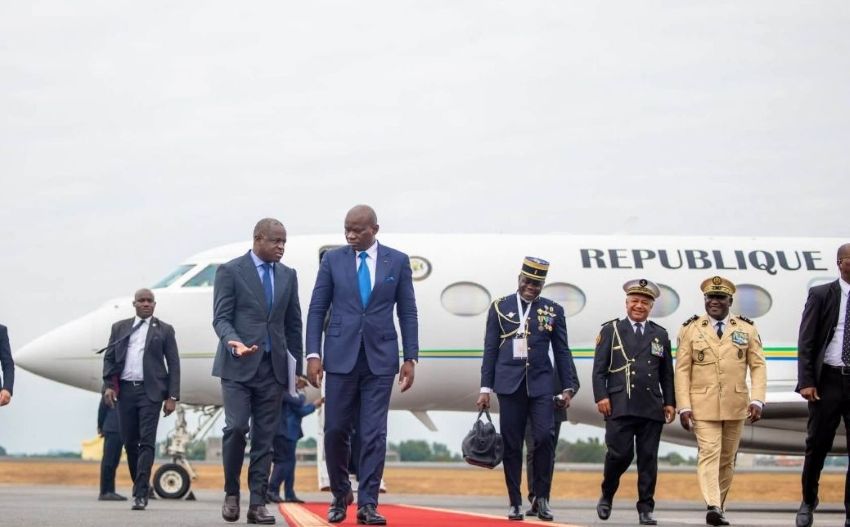
President Brice Clotaire Oligui Nguema’s participation in this continental gathering underscores Gabon’s commitment to addressing water challenges both nationally and regionally. Upon returning to Libreville on Friday, he brought back more than diplomatic goodwill—new financing avenues, technical cooperation, and expertise transfer opportunities to support ongoing reforms aimed at improving water and sanitation access nationwide.
African nations unite against water stress
Over two days in Chad’s capital, leaders, financial institutions, technical partners, and international organizations reached a shared conclusion: Africa’s water resources are under unprecedented strain due to rapid population growth, unchecked urbanization, droughts, floods, and climate change. The Forum adopted key resolutions, including accelerating potable water network investments, enhancing climate resilience in hydraulic systems, improving water governance, developing innovative financing models, and fostering joint management of transboundary basins. A stronger emphasis was placed on deepening partnerships between governments, development banks, private sectors, and international donors to bridge the funding gap hampering critical projects across the continent.
The overarching goal? To transform water from a developmental constraint into a catalyst for economic growth, public health, and economic stability.
Gabon prioritizes water sector reforms
For Gabon, these resolutions resonate deeply. Despite boasting one of Central Africa’s richest water reserves, the country struggles with reliable potable water access, particularly in Greater Libreville. President Oligui Nguema has elevated water and sanitation to national priority status, as evidenced by the recent declaration of a water emergency—a dual approach addressing immediate needs while laying groundwork for long-term solutions.
Gabon’s engagement at the African Water Forum aligns with this strategy, enabling the nation to secure new financial partners, adopt best international practices, and receive technical support to modernize its hydraulic infrastructure. Bilateral discussions held on the Forum’s sidelines further strengthened ties with partners committed to water, sanitation, and sustainable water management.
Water as an economic catalyst
Water security extends beyond potable supply—it underpins public health, food security, agriculture, industrialization, energy production, and investment attractiveness. As Gabon pursues economic diversification, ensuring sustainable water access is both an economic necessity and a social imperative. The outcomes from N’Djamena present Gabon with a chance to expedite network modernization, bolster infrastructure resilience against climate impacts, and elevate living standards.
« The Forum has unlocked new pathways for hydraulic infrastructure financing, technical cooperation, and expertise sharing, » noted a statement from the Presidency. As climate change reshapes global dynamics, water mastery is becoming a defining marker of state sovereignty. For Gabon, the challenge now is turning N’Djamena’s commitments into tangible results—universal access to clean water is no longer just a development target but a cornerstone of the nation’s future prosperity and resilience.