Gabon transforms Woleu-Ntem into a development model for the nation
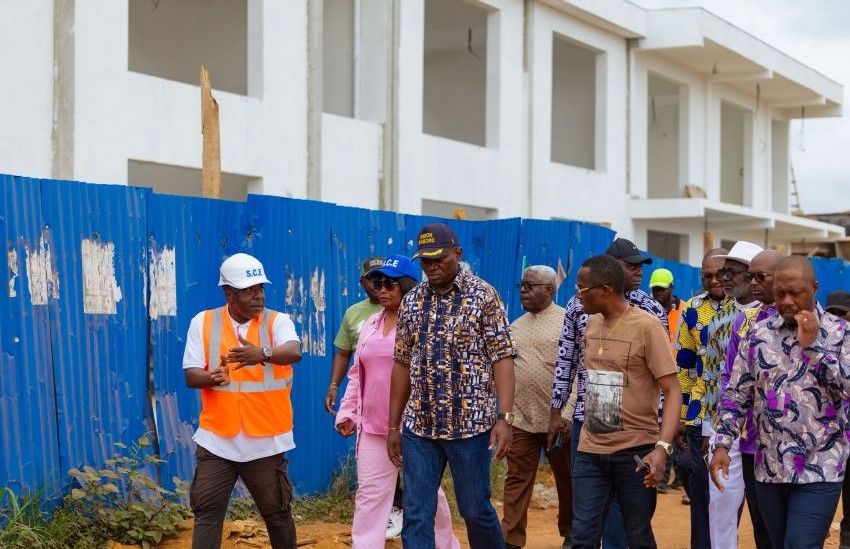
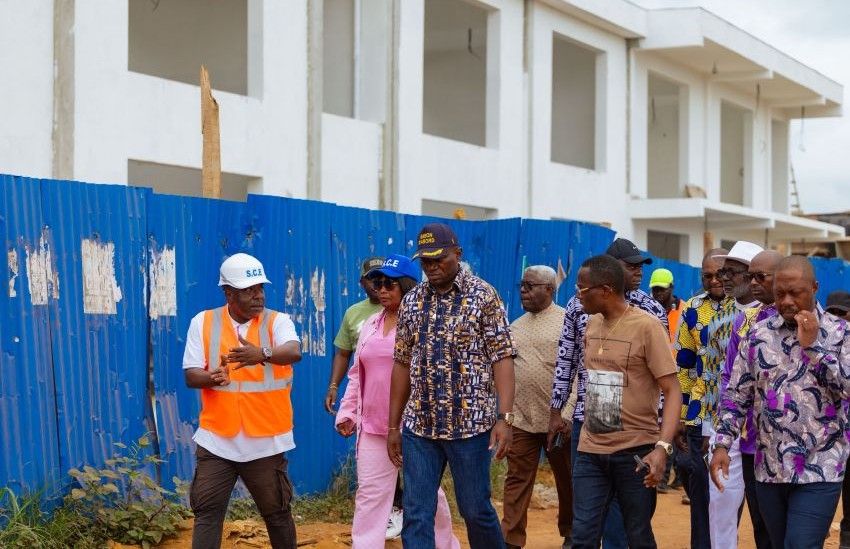
Libreville, Saturday 11 July 2026 – Presidential tours across Africa often follow predictable scripts: staged events, handshakes, and carefully crafted speeches. Yet the recent visit by Gabonese President Brice Clotaire Oligui Nguema to the Woleu-Ntem province defies convention. This was no mere political performance. It was a deliberate strategy to reposition Gabon’s interior regions as the engine of the country’s next development phase.
The journey—from Minvoul to Oyem—unveiled a sweeping vision: one where marginalized territories become economic hubs. Roads, schools, agricultural projects, and healthcare facilities were not just inaugurated; they were woven into a new territorial governance doctrine. A doctrine built on proximity, ground-level investment, and bridging the long-standing geographic divides that have long constrained Gabon’s growth.
Bringing the periphery to the center
The selection of Woleu-Ntem was deliberate. Bordering Cameroon and Equatorial Guinea, this northern province has long been Gabon’s critical land gateway to Central Africa. Yet despite its strategic location, it has remained one of the country’s most economically disconnected regions. A paradox: abundant potential, untapped resources, and limited national integration.
The presidential visit along the Gabon-Cameroon highway underscored a critical insight: roads are more than asphalt. They are economic lifelines. They shape trade flows, attract investment, and influence regional geopolitics. By prioritizing this route, Gabon is not just building infrastructure—it is staking its claim in Central Africa’s economic corridors at a time when the African Continental Free Trade Area is redrawing continental trade maps.
Even more symbolic was the President’s decision to spend the night in Minvoul. A rare act in modern African governance, it signals a powerful message: no region, no community, should be left behind in the nation’s development journey.
From hydrocarbons to harvests: rebuilding Gabon’s economic foundation
Another transformative thread in this tour was the deliberate emphasis on agriculture—a sector long overshadowed by Gabon’s oil-dependent economy. The inauguration of the Oyem agricultural complex and the training of 240 young farmers mark a decisive shift. This is not just about creating jobs. It’s about nurturing a new generation of rural entrepreneurs capable of driving food sovereignty.
The collaboration between ACM Exploitation, the Local Community Development Fund, and the Ministry of Agriculture reflects a broader evolution in African public policy. Extractive industries are increasingly expected to contribute directly to the development of host territories—a model now being implemented on the ground in Woleu-Ntem.
The visit to an integrated agropiscicultural farm near Oyem revealed the potential of diversified, sustainable production. Such models not only create lasting jobs but also reduce reliance on food imports—a crucial step toward economic resilience.
Governance redefined: from plans to people
What set this tour apart was its focus on tangible, on-the-ground governance. Hospital renovations in Minvoul. Market upgrades in Gouéma. The rehabilitation of the Mvett Palace. Housing for village chiefs. A teacher training center. A modern high school with boarding facilities. Even a new sports complex in Nkum Yenguï—each project was chosen deliberately.
The message is clear: sustainable development requires balance. Economic infrastructure must advance in tandem with social services, education, and public amenities. The new teacher training center named after Manfred Mendame Ndong and the high school in Nkum Yenguï—equipped with science labs and digital infrastructure—demonstrate a forward-looking commitment to human capital development.
Even the symbolic act of providing housing to village chiefs speaks volumes. It reinforces grassroots governance, strengthens local state presence, and fosters trust between citizens and the state.
Development, after all, rarely begins in capital cities. It takes root in territories that can become poles of innovation, production, and balance.
The true test ahead
Woleu-Ntem is now positioned as a laboratory for Gabon’s future. A place where borders become bridges, where provinces cease to be peripheries, and where public investment seeks both growth and national cohesion. The real challenge lies not in the announcements made during the tour, but in translating this ambition into measurable, enduring results that reshape Gabon’s economic and social trajectory.
Comments are closed, but trackbacks and pingbacks are open.