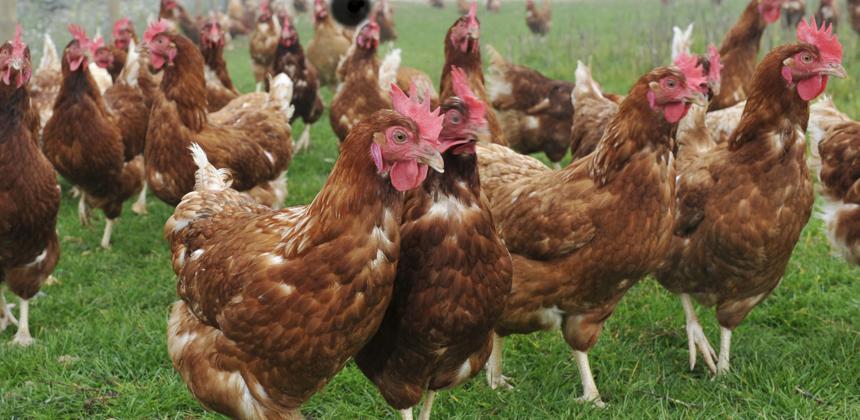
Gabon’s chicken import ban sparks global reaction: can Libreville win the sovereignty debate?
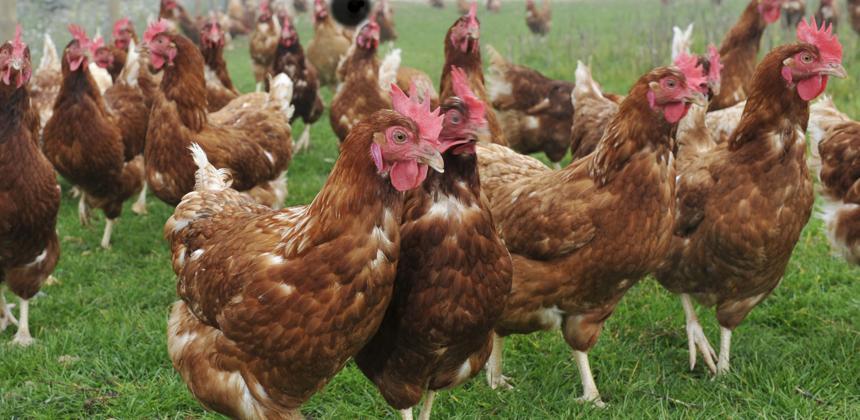
Libreville, September 24, 2026 — The diplomatic storm brewing between Gabon and Washington over poultry imports has far-reaching implications that extend far beyond the frozen food aisle. At its core, this dispute forces a fundamental question: How can a nation defend its food security while navigating the complex web of international trade rules? As world leaders gather in New York for the 81st UN General Assembly, Gabon finds itself at a crossroads, defending not just economic interests but its very sovereignty.
Washington’s challenge at the World Trade Organization (WTO) hinges on Gabon’s impending ban on imported chicken, set to take effect January 1, 2027. Libreville is marshalling both legal and diplomatic resources to defend its position, arguing that food security and economic development must take precedence over rigid trade obligations. The stakes? Nothing less than the ability of a nation to shape its economic destiny.
This is not merely about chickens in the freezer. The avian sector has become a revealing case study in the tension between national development goals and global trade expectations. The Gabonese government has long sought to reduce its reliance on poultry imports, which soared to $97.7 million in 2021. The decision to restrict imports is part of a broader, long-standing strategy encapsulated in programs like PRODIAG. Yet now, this move arrives at a critical juncture when trade relationships are increasingly scrutinized, and partners like the United States are questioning the legitimacy of such restrictions.
More than protectionism: a calculated gamble on food sovereignty
From Libreville’s perspective, the crux lies in transforming protectionism into sustainable local production. Simply cutting off imports will not automatically create a competitive poultry sector. Behind this policy must lie real investments: sufficient animal feed at sustainable costs, robust infrastructure, credible sanitary standards, efficient distribution networks, and the capacity to meet consistent demand.
The debate cannot be framed as a simple choice between imported and local poultry. It’s about the kind of economic model Gabon wants to build. Food sovereignty isn’t about isolation from global trade; it’s about reducing vulnerabilities that stem from excessive external dependence. The country’s ability to protect its market must become the foundation for building real production capacity, investment, and value creation within the national economy.
Washington responds: is the Gabonese claim justified under global trade law?
For its part, the United States has invoked WTO rules, arguing that Gabon’s ban violates its trade commitments. This legal confrontation underscores a broader reality: countries seeking food sovereignty must do so within a framework that respects international obligations. The battle is not just political—it is fundamentally economic and legal.
Yet Gabon has a strong argument: it is not rejecting trade outright. Instead, it is demanding the right to prioritize its citizens’ needs through a gradual, transparent, and legally defensible import reduction strategy. The key is proving that behind the ban lies a concrete, phased plan to enhance local production capacity that can meet domestic demand without destabilizing the market.
The UN podium: turning controversy into opportunity
The 81st UN General Assembly, running from September 22 to 28 in New York, offers Gabon a rare platform—not to resolve the trade dispute, but to reframe it. While the WTO’s legal mechanisms remain the appropriate forum for adjudication, New York provides a chance to place the poultry crisis within the larger discourse on global development, food security, and economic self-reliance.
The assembly’s theme—restoring trust and managing transformation—could not be more relevant. Gabon’s challenge is to turn this controversy into a showcase of smart public policy: one backed by solid data, coherent legal reasoning, and a clear, time-bound roadmap for developing its poultry sector.
What comes next: a test of state capacity and long-term vision
By January 2027, Gabon faces a hard deadline. The success or failure of its poultry sovereignty bid will hinge on whether its protectionist measures are seen not as an end, but as a beginning—an investment in productivity, resilience, and economic self-determination. For other African nations watching closely, this case could become a benchmark: a blueprint for balancing trade obligations with the urgent imperative of feeding one’s people without depending on distant suppliers.
The stakes could not be higher. This is not just about poultry. It is about whether a nation can use trade tools not as shackles, but as scaffolding—constructing an economy that produces what it consumes, sustains its people, and secures its future.
Comments are closed, but trackbacks and pingbacks are open.