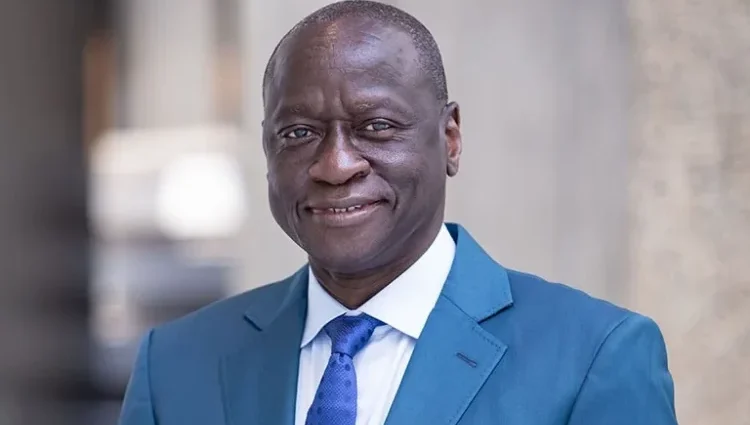
The World Bank’s engagement in Gabon has reached a decisive turning point, with a renewed focus on unlocking youth employment and accelerating digital transformation to drive sustainable economic growth. During high-level discussions with Gabonese authorities, Ousmane Diagana outlined a bold new agenda that aligns with the country’s National Plan for Growth and Development (PNCD 2026-2030), emphasizing job creation, economic diversification, and inclusive governance.
The partnership between the World Bank and Gabon is entering a critical phase, with plans to deepen collaboration through a new Country Partnership Framework. This framework will prioritize employment—especially for young people—as well as private sector development, improved business climates, and rigorous public financial management. The goal is clear: transform Gabon’s economy by fostering a dynamic private sector capable of generating high-quality jobs beyond its traditional oil dependency.
Central to this strategy is a renewed commitment to infrastructure and service delivery. Projects in water, electricity, urban development, and digitalization are being fast-tracked to deliver tangible improvements in daily life. The World Bank’s Mission 300 initiative, aiming to electrify 250 million people across Africa by 2030, presents a significant opportunity for Gabon, leveraging its abundant hydropower potential to provide stable, low-carbon energy while addressing environmental and social challenges.
Urban development as a catalyst for balanced growth
A major shift in the World Bank’s approach is the focus on secondary cities like Franceville, Koula-Moutou, and Lambaréné. These urban centers are vital for reducing regional inequalities and ensuring inclusive development. The Gabon Urban Development Project (PDUG) is a flagship initiative, aiming to equip these cities with resilient infrastructure—roads, schools, drainage systems, and flood risk reduction—to meet the needs of a rapidly urbanizing population.
Planning for growth now is both cost-effective and strategically essential. With Gabon’s urban population set to expand in the coming decades, proactive investments in infrastructure, land use planning, and service delivery are essential to avoid the pitfalls of unchecked urban sprawl.
Forest conservation meets economic opportunity
Gabon’s leadership in forest conservation presents a unique opportunity to merge sustainability with economic growth. Despite decades of investment in conservation, the country’s vast natural capital remains underutilized. A new project, Gabon: Sustainable Forest Management and Ecotourism, is in development to address this gap. By supporting sustainable forestry and national park management, the World Bank is aligning with Gabon’s PNCD 2026-2030 goals, which prioritize economic diversification through renewable forest resources and ecotourism.
The project aims to unlock the economic potential of Gabon’s forests while ensuring environmental stewardship, creating jobs, and fostering sustainable income opportunities for local communities.
Digital transformation: AI as a tool for shared prosperity
The adoption of artificial intelligence (AI) is a game-changer for Gabon’s economic diversification and job creation. The World Bank’s AI for All initiative is designed to democratize access to AI technologies, ensuring that small businesses, women, and young entrepreneurs can leverage digital tools to expand markets, enhance productivity, and create value.
In Gabon, the Gabon Digital project—backed by $68.5 million in financing—is modernizing public digital services and infrastructure. Regionally, the Central African Digital Integration Program (CARDIP) is strengthening digital connectivity and market integration, laying the groundwork for a thriving digital economy that benefits all Gabonese.
This approach ensures that AI is not just a tool for large corporations but a driver of inclusive economic transformation, accessible to all sectors of society.
Strategic infrastructure: Kobe-Kobe port and Bélinga iron ore as economic engines
The World Bank views the Kobe-Kobe deep-water port and Bélinga iron ore projects as pivotal to Gabon’s economic transformation. These initiatives are more than infrastructure developments—they are catalysts for new value chains, private sector investment, and sustainable job creation.
Through targeted support—including feasibility studies, project structuring, and private sector mobilization—the World Bank is helping Gabon turn these ambitions into reality. While large-scale infrastructure is a critical component, the broader strategy emphasizes long-term economic resilience and diversification.
Comments are closed, but trackbacks and pingbacks are open.