The Gabonese government has formally launched negotiations for a new sustainable fisheries partnership with the European Union, sparking intense public and political reactions. In a decisive move on September 18, 2026, the Council of Ministers approved the framework for these talks at the presidential palace in Port-Gentil, marking a critical turning point in the country’s maritime policy.
The decision follows Gabon’s June 4, 2025, announcement to terminate its existing fisheries agreement with the EU—a move that took effect on June 28, 2026. The previous protocol, which expired that day, allowed up to 33 European vessels to fish tuna species in Gabonese waters in exchange for annual payments of €1.6 million from the EU, alongside contributions from shipowners.
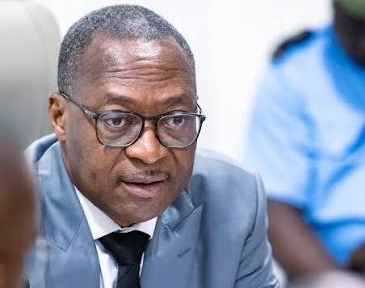
Aimé Martial Massamba, Gabon’s Minister of Fisheries, Maritime Affairs, and Blue Economy, has been tasked with steering the negotiations. The government’s stated goals include securing a balanced agreement that protects Gabon’s fishing sovereignty while ensuring sustainable resource management. A dedicated national negotiation team and a structured discussion timeline have been established to meet these objectives.
In June 2026, the EU signaled its openness to negotiating a ‘next-generation’ fisheries partnership that addresses Gabon’s concerns. European Ambassador to Gabon Cécile Abadie emphasized the need for constructive dialogue, urging both sides to resolve key issues through collaboration rather than confrontation.
Public reactions to the renegotiation have been sharply divided. Critics argue that the previous agreement unfairly favored European fishing fleets, offering limited economic benefits to Gabon while outsourcing the exploitation of its marine resources. Supporters, however, view the new negotiations as an opportunity to reclaim national control over one of the country’s most vital economic sectors.
The government has framed the renegotiation as a long-term strategy to combat illegal, unreported, and unregulated (IUU) fishing, develop a sustainable blue economy, and maximize the value of Gabon’s fisheries for local communities and industries.
What’s at stake for Gabon’s maritime sovereignty
Gabon’s decision to walk away from the 2021 EU fisheries protocol reflects broader concerns about the imbalance in the agreement. While the EU provided financial compensation, Gabonese officials argued that the arrangement did little to strengthen local fisheries industries or curb foreign dominance in its waters. The new negotiations aim to shift this dynamic by prioritizing national interests while still fostering cooperation with Brussels.
- Economic independence: Gabon seeks to reduce reliance on EU payments by leveraging its tuna stocks for higher local processing and export value.
- Regulatory control: Strengthening Gabon’s capacity to monitor and enforce sustainable fishing practices within its exclusive economic zone (EEZ).
- Technology and capacity building: Ensuring EU support includes investments in Gabon’s fishing infrastructure and training for local crews.
Public and political reactions: Critics versus reformers
The renegotiation has triggered a lively debate about Gabon’s priorities in its relationship with the EU. Some stakeholders applaud the government’s bold stance, viewing it as a necessary step to reclaim economic autonomy. Others warn that breaking ties with the EU could destabilize the fisheries sector, particularly given Europe’s significant market for Gabonese tuna exports.
The political opposition has seized on the issue, questioning whether Gabon has the leverage to negotiate favorable terms without risking disruptions to its fishing industry. Meanwhile, proponents argue that the current EU agreement lacks transparency and fails to align with Gabon’s long-term development goals.
Can Gabon strike a fair fisheries deal with the EU?
The path forward remains uncertain, but key indicators suggest both sides are committed to finding common ground. The EU’s willingness to discuss a ‘new generation’ agreement signals flexibility, while Gabon’s insistence on sovereignty and sustainability outlines firm red lines. The success of these negotiations could redefine the future of Gabon’s blue economy and set a precedent for similar partnerships across Africa.
One thing is clear: the outcome will extend far beyond fisheries. It will shape Gabon’s economic independence, its environmental commitments, and its role as a leader in sustainable maritime resource management in Central Africa.
Comments are closed, but trackbacks and pingbacks are open.