Gabon’s government grilled at national assembly session
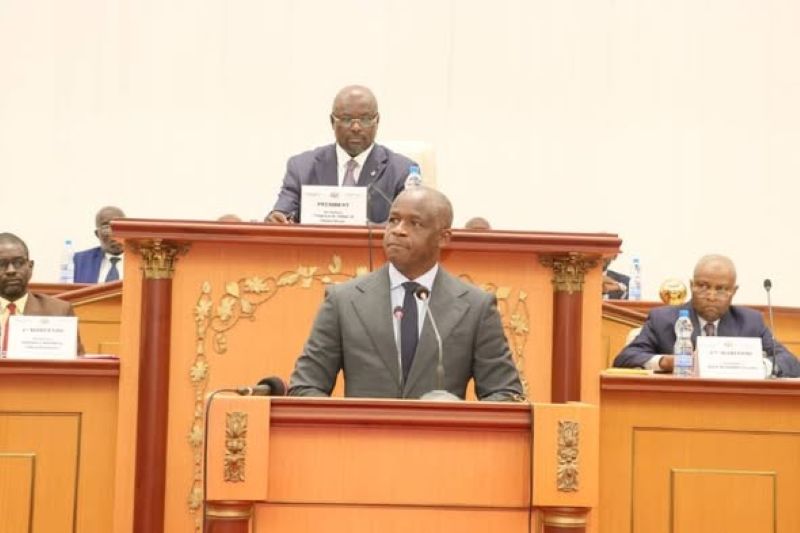
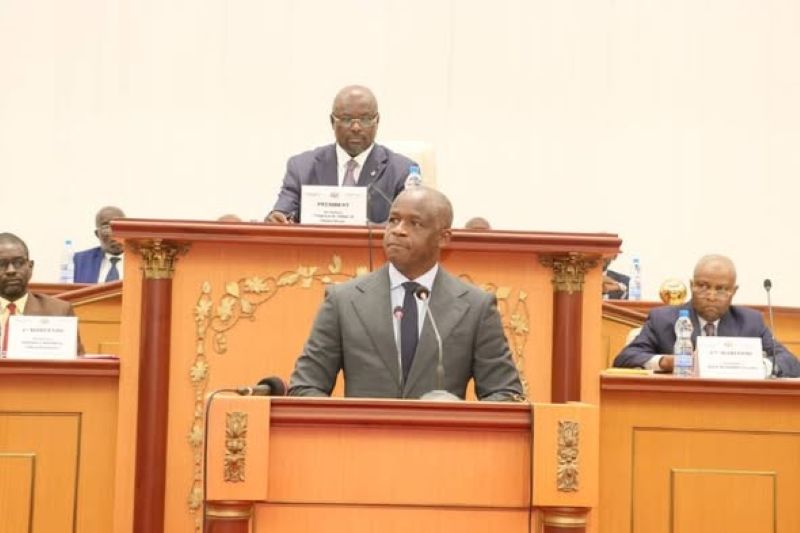
Libreville, June 3, 2026 — The Gabonese National Assembly served as a platform for lawmakers to challenge government policies during Tuesday’s oral questioning session.
Beyond routine parliamentary procedure, the gathering marked a pivotal moment for the 14th legislature, with deputies probing the executive on pressing national issues including purchasing power, education, healthcare, security, employment, and economic sovereignty. Held at the Léon Mba Palace as mandated by the Constitution, the session featured nearly twenty questions directed at cabinet members—a critical prelude to the upcoming June 15 State of the Nation address by President Brice Clotaire Oligui Nguema.
youth challenges take center stage
Drug and substance abuse in schools emerged as a top concern. Deputy Huguette Tsono, the National Assembly’s sixth vice president, pressed Vice President Hermann Immongault on the escalating problem, to which he acknowledged the severity and reaffirmed the government’s commitment to protecting educational institutions. The issue transcends mere schooling—it threatens the nation’s demographic and economic future. With young people comprising the majority of Gabon’s population, combating addiction is no longer just an educational issue but a strategic imperative for social stability and human development.
The education system also faced scrutiny. Deputy Dorland Chancely Olengué challenged Minister of State Camélia Ntoutoume-Leclercq on reform progress, receiving assurances that initiatives are advancing according to the government’s schedule. Yet the response underscores a broader truth: families demand immediate results while systemic improvements require sustained effort.
economic sovereignty drives policy shifts
Economic questions dominated discussions, particularly the phased ban on imported chicken. Minister of Agriculture Pacôme Kossy framed the move as part of a broader push to develop a robust national poultry sector capable of meeting domestic demand and generating jobs. This policy reflects a deeper ambition—to reduce food dependency and bolster local production.
A similar vision underpins the mining reform unveiled by Minister of Mines Sosthène Nguema Nguema, who announced a ban on raw manganese exports. By promoting local processing, Gabon seeks to capture greater value from its mineral wealth—a strategy mirroring trends across Africa toward resource industrialization.
social pressures persist amid progress
Everyday concerns also surfaced. Minister of the Interior Adrien Nguema Mba fielded questions about delays in issuing national ID cards and passports, a particularly acute issue for inland communities where administrative access remains inconsistent. Meanwhile, Minister of Social Affairs Armande Longo épouse Moulengui addressed concerns raised by retirees, CNAMGS contributors, persons with disabilities, and single mothers—reminding policymakers that economic growth alone cannot improve lives without direct social improvements.
parliament’s resurgence as a democratic forum
More than just ministerial responses, the session signaled the National Assembly’s return as a vital space for public debate. By addressing diverse topics—food security, industrial transformation, education, health, and governance—lawmakers reasserted their oversight role. Closing remarks by Assembly President Michel Régis Onanga Ndiaye set the stage for the June 15 Parliament Congress, where the progress of major reforms since the Transition will be assessed.
This inaugural oral questioning session of the 14th legislature reveals a nation in transformation, yet facing immense social expectations. Between economic sovereignty, state modernization, and citizen welfare, the government is now judged not by its plans but by tangible outcomes. The coming months will determine whether Gabon’s public action can deliver on its promises.
Related Posts