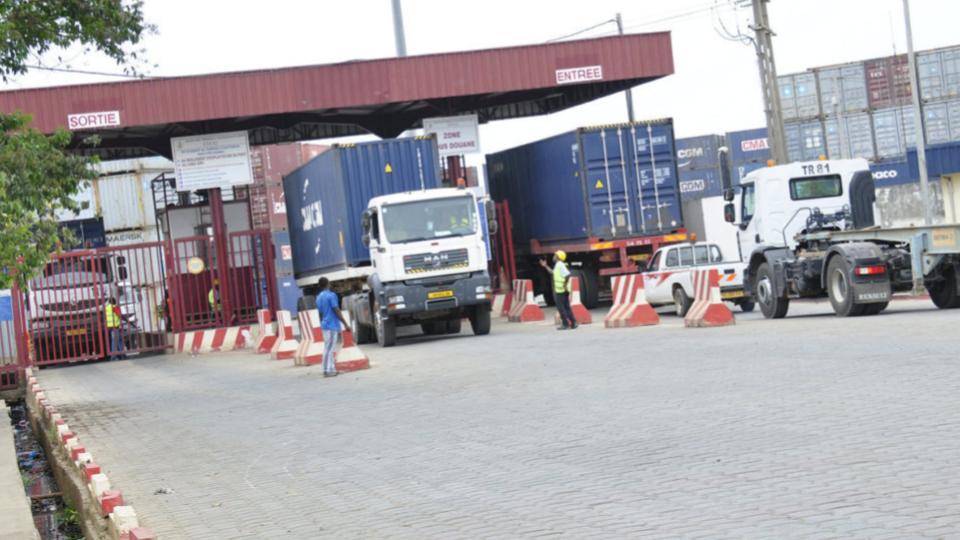
The African Continental Free Trade Area (AfCFTA) offers a vast market of 1.4 billion consumers, yet Gabon continues to grapple with low export volumes to its continental neighbors. Recent economic reports indicate that only 8.9% of the country’s total exports reach other African nations—a figure that underscores the urgent need for Libreville to diversify its trade partnerships.
The imbalance is striking: Africa supplies 28.3% of Gabon’s imports, reinforcing its role as the country’s second-largest trading partner after Europe.
Breaking free from oil dependency with AfCFTA
This trade disparity has prompted urgent action from Gabon’s leadership. In mid-2026, President Brice Clotaire Oligui Nguema met with Wamkele Mene, Secretary-General of the AfCFTA, to accelerate the country’s integration into the continental bloc. The stakes are high: reducing Gabon’s long-standing reliance on hydrocarbons is no longer optional—it’s a necessity. With intra-African trade projected to reach $230 billion this year, Libreville aims to capitalize on this momentum by expanding sectors like agro-industry, mining, and services.
Nkok’s special economic zone: a game-changer for regional trade
Gabon’s potential lies in its strategic assets. During his visit, the AfCFTA leader praised the Nkok Special Economic Zone (SEZ) as a cornerstone for transforming the country into a high-value manufacturing hub. Positioned as a gateway to Central Africa, Nkok’s industrial infrastructure could supply processed goods across the subregion, fostering economic resilience and reducing dependence on oil.
Overcoming regional trade barriers
Yet challenges remain. Poor transport infrastructure and exorbitant logistics costs continue to stifle trade flows in Central Africa. This paradox highlights the gap between AfCFTA’s lofty goals—targeting over 50% intra-African trade by 2035—and the current reality. Gabon’s roadmap is clear: modernize supply chains, add value to raw materials, and leverage AfCFTA as the backbone of its economic strategy.
Comments are closed, but trackbacks and pingbacks are open.