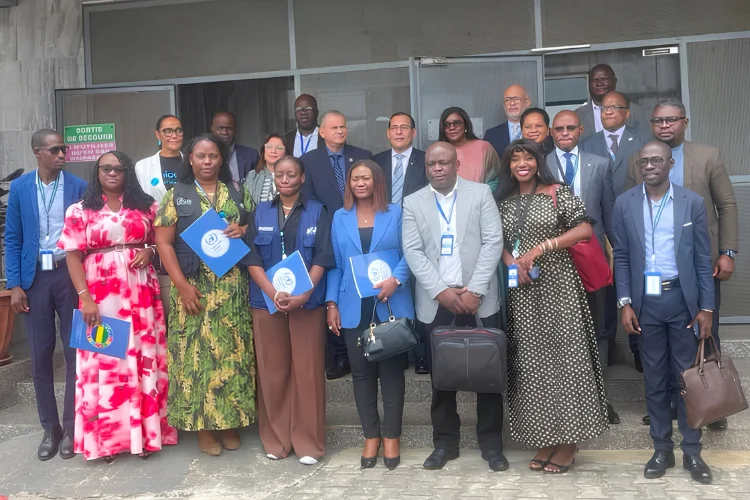
Gabon’s annual UN funding injection of 10.5 billion FCFA ($18.5 million) for 2025 has ignited a nationwide debate over real impact versus symbolic gestures. First presented to local journalists by resident coordinator Fatou Aminata Lo, the announcement arrived amid scrutiny over how these funds will translate into tangible improvements for citizens facing persistent socio-economic challenges.
During a high-profile press briefing at the United Nations Common House, Lo emphasized a strategic shift in the UN’s approach: “Success isn’t measured by project counts alone, but by our ability to unite stakeholders and convert policy commitments into measurable community gains.”
Behind the headlines: how the 2025 funding breaks down
The 2025 allocation, managed across 21 UN entities with nearly 300 staff (70% Gabonese nationals), targets three core pillars: enhancing governance and human rights, accelerating green and blue economy transitions, and expanding social inclusion. Yet underlying questions about implementation timelines, local ownership, and immediate beneficiary relevance remain unanswered for many stakeholders.
Public skepticism vs. official optimism: what the key players are saying
The briefing revealed a stark contrast between institutional messaging and grassroots expectations. While UN representatives framed the funds as a catalyst for long-term structural reforms, journalists pressed for concrete indicators of progress within the next 12–18 months. The absence of detailed project roadmaps or timelines fueled concerns about whether this investment risks becoming another cycle of unfulfilled promises.
Transparency under scrutiny: demands for clear accountability
Stakeholders are calling for independent progress audits and periodic public reporting to prevent misallocation. Civil society leaders argue that without robust monitoring mechanisms, the funding’s potential to address Gabon’s inequality and climate adaptation gaps could dissipate before visible results emerge. The debate now centers on whether this pledge marks a turning point or merely a recurrent funding cycle with limited transformative power.
Looking ahead: what 2026–2032 could bring
As Gabon prepares to enter negotiations for the next multi-year UN cooperation framework, the 2025 funding announcement has set a precedent for future engagement. The UN’s emphasis on localization and participatory planning suggests a learning curve, but skepticism persists about whether institutional priorities align with the population’s most pressing needs—particularly in rural areas facing healthcare gaps and economic stagnation.
The coming months will reveal whether this 10.5 billion FCFA investment is an inflection point or yet another chapter in Gabon’s cyclical challenge of aid effectiveness. One thing is certain: the scrutiny has only just begun.
Comments are closed, but trackbacks and pingbacks are open.