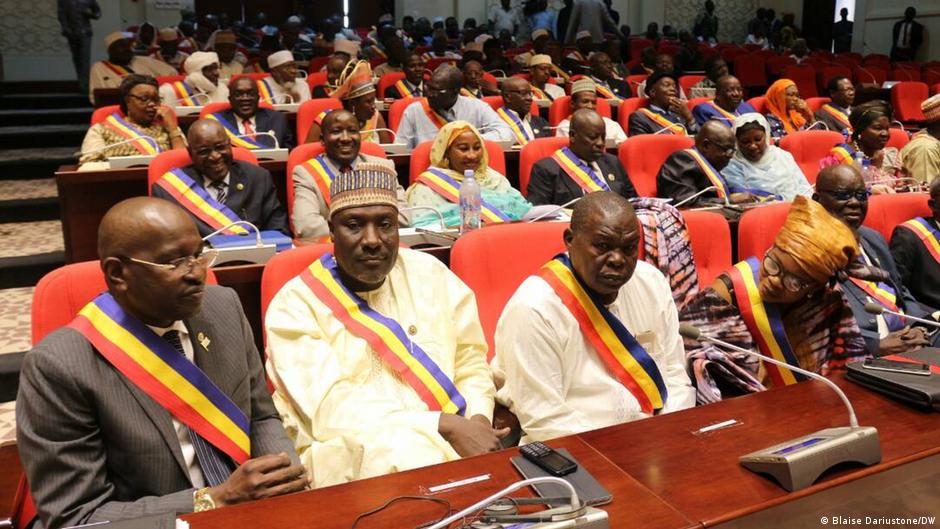
Since the early 2000s, African nations have taken significant strides toward gender parity, particularly in political representation. While approaches vary, many countries have implemented legislative measures—such as quotas or mandatory inclusion—to ensure women’s voices are heard in governance. These reforms reflect a growing recognition of women’s critical role in shaping national policies and priorities.
Senegal’s legislative strides and limitations
Senegal introduced its landmark gender parity law in 2010, mandating gender alternation on electoral lists for multiple election types. This groundbreaking legislation has dramatically increased women’s representation in the National Assembly and local councils. However, the law stops short of regulating ministerial appointments, leaving the composition of the government to the discretion of the president and prime minister. As a result, female representation in the cabinet remains uneven, fluctuating with political decisions rather than institutionalized guarantees.
Chad’s progressive parity reforms
Chad has adopted a more comprehensive approach. In 2018, the government enacted a constitutional ordinance establishing gender parity across both elected and appointed positions. A 2021 decree further clarified this mandate, requiring “equal access for women and men to decision-making bodies in elected and appointed roles.” The law sets a minimum 30% quota for women in government, major institutions, and central and local administrations.
Recent electoral reforms have reinforced these efforts by introducing mandatory mechanisms to promote women’s participation on electoral lists. These measures have yielded tangible results: following the 2024–2025 elections, women now hold 34% of seats in the National Assembly—64 out of 188 deputies. In the most recent cabinet reshuffle on April 1, 2026, 12 women were appointed to ministerial, delegate, or secretary of state positions, representing about 32% of the government’s 37 members.
While these achievements mark progress toward balanced representation, true gender equality remains elusive. Women continue to face systemic barriers—social, economic, and cultural—that limit their full participation in decision-making processes. Structural change requires more than legal reforms; it demands sustained cultural shifts and targeted support for women in leadership roles.
Comments are closed, but trackbacks and pingbacks are open.