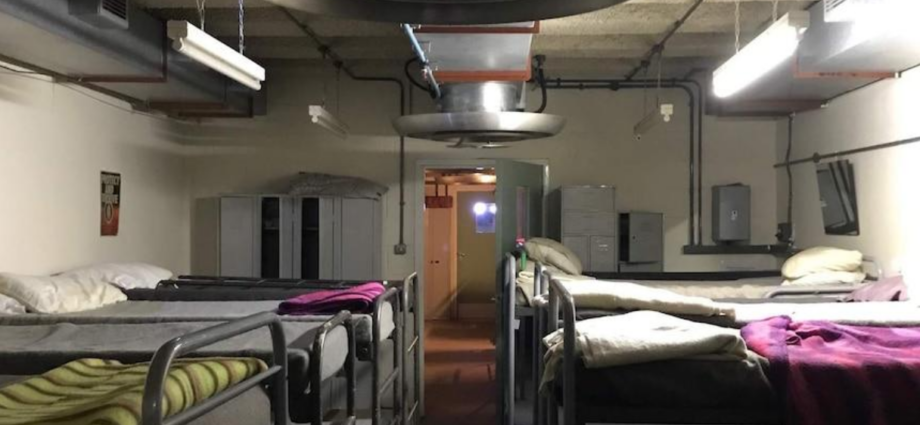
Governments worldwide are now urging households to build emergency reserves as geopolitical tensions escalate. This shift marks a departure from traditional disaster preparedness, with nations urging their citizens to prepare for potential supply disruptions lasting several days.
Why emergency stockpiles are becoming essential
From cyber threats to energy disruptions, modern crises can paralyze critical infrastructure without warning. Authorities argue that stockpiling essentials is no longer optional but a civic duty. The strategy aims to ease pressure on emergency services while ensuring communities can withstand temporary shortages.
Europe leads the way in civilian readiness
The United Kingdom recently launched a national campaign urging citizens to maintain 72-hour reserves. Recommended supplies include potable water, non-perishable food, first-aid kits, flashlights, and portable radios. Similar initiatives are underway in Nordic and Baltic states, where governments have boosted public shelter systems and food stockpiles. Finland, for instance, now maintains nine months’ worth of grain reserves to cushion against potential disruptions.
The 2022 invasion of Ukraine served as a stark reminder of how quickly conflicts can destabilize supply chains. Electricity grids, transportation networks, and fuel distribution systems became primary targets, demonstrating the urgent need for household resilience.
Russia’s shadow over NATO’s borders
Western intelligence agencies warn that Moscow may probe NATO’s cohesion through covert actions. Reports suggest potential cyberattacks or sabotage operations could escalate tensions without crossing the threshold of open war. While these assessments do not predict an imminent attack, they highlight the growing uncertainty in European security.
What this means for citizens
The first hours of a crisis are often the most critical. Adequate household supplies allow families to bridge gaps until utilities are restored or government aid arrives. Authorities emphasize that these measures are about prudence, not panic.
Middle East tensions fuel regional instability
Recent military actions in the Persian Gulf have underscored the vulnerability of critical infrastructure. A series of incidents in 2026 involving Iran and Gulf states exposed risks to oil facilities, ports, and power grids. Such disruptions can trigger energy shortages and price surges, affecting global markets.
In response, several Gulf nations have quietly expanded their strategic reserves while urging citizens to prepare for potential supply chain breakdowns. The message is clear: resilience depends on both government action and individual preparedness.
Asia’s shifting alliances raise new concerns
The deepening ties between China and North Korea—exemplified by a new cross-border bridge—add another layer of complexity to global stability. While no immediate threat has emerged, diplomats monitor these developments closely for signs of coordinated military or economic pressure.
How NATO is adapting its resilience strategy
The alliance recently updated its requirements to include energy security, food supply chains, and emergency communications. These measures reflect a broader recognition that resilience is a shared responsibility between governments and their populations.
Practical steps for households
Experts recommend keeping several days’ worth of essentials on hand:
- Water: One gallon per person per day
- Food: Non-perishable items with long shelf lives
- First aid: Comprehensive kits including medications
- Tools: Flashlights, batteries, portable chargers
- Cash: Small denominations for emergencies
Beyond the household: community resilience
While individual stockpiles are crucial, experts stress that collective preparedness strengthens societal recovery. Neighborhood emergency plans, public shelter drills, and infrastructure redundancy all contribute to a more resilient nation.
A balanced approach to readiness
Governments insist that these measures are about reducing vulnerability, not surrendering to fear. In an era where crises can emerge from geopolitical tensions, cyber threats, or climate events, prudence has become a new civic responsibility.
Comments are closed, but trackbacks and pingbacks are open.