Fichier généré le

The enduring legacy of Morocco-China diplomacy
From Hassan II’s 1960 UN address to Crown Prince Moulay Hassan’s 2024 meeting with Xi Jinping, the Sino-Moroccan relationship has been built on deep-rooted loyalty and symbolic gestures. One defining moment came in 2016 when King Mohammed VI’s landmark visit to Beijing launched what would become a decade of strategic partnership between the two nations.
Diplomatic foundations laid in the 20th century
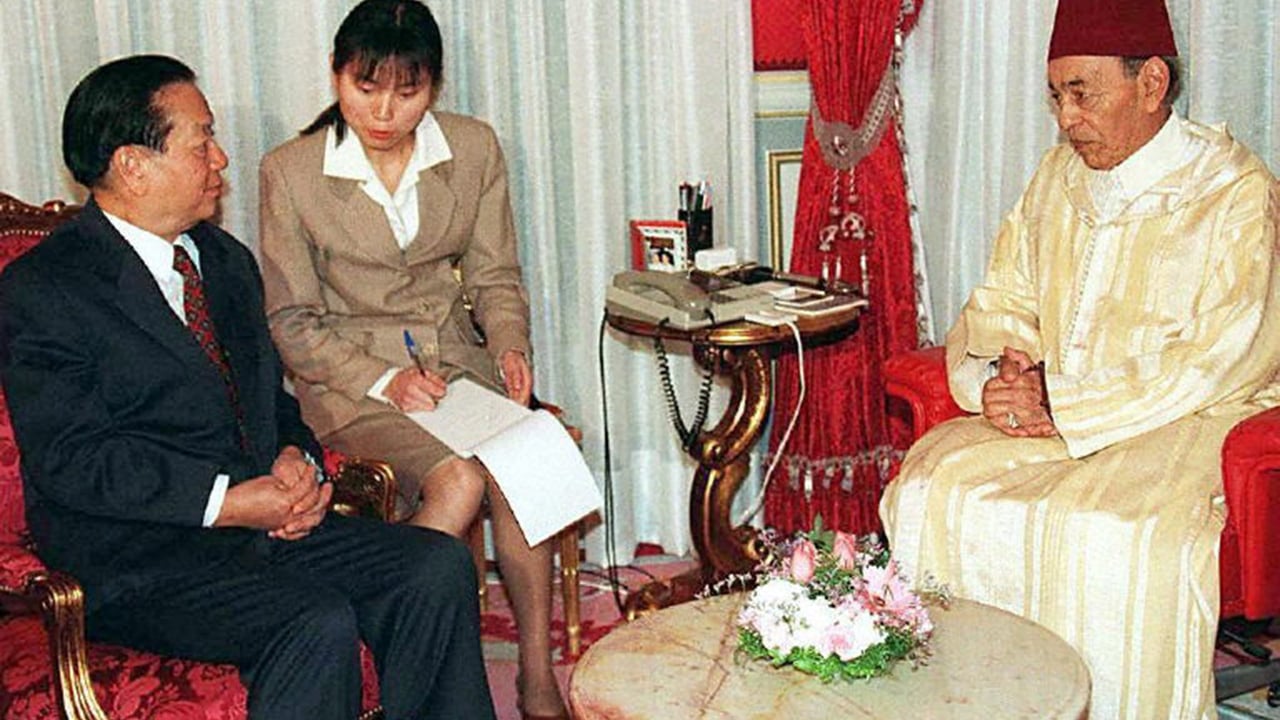
Morocco’s engagement with China traces back to a defining moment in 1960 when King Hassan II delivered a historic speech at the United Nations. That address laid the groundwork for what would become a decades-long partnership between Rabat and Beijing. The speech was more than a diplomatic gesture—it signaled Morocco’s intent to diversify its international alliances at a time when Cold War tensions were reshaping global politics.
The late monarch’s vision set the stage for future collaboration, particularly in trade, infrastructure, and cultural exchanges. His 1960 address remains a cornerstone of Sino-Moroccan relations, frequently cited in Beijing as evidence of Morocco’s early commitment to fostering ties with the Asian giant.
A modern partnership strengthened by high-level visits
The relationship took a decisive turn in 2016 when King Mohammed VI made a groundbreaking trip to Beijing. The visit culminated in the establishment of a comprehensive strategic partnership, marking the beginning of a new era in Morocco-China relations. During the visit, both nations signed agreements covering investment, technology transfer, and infrastructure development—areas that would later become central to their collaboration.
This partnership was further solidified in November 2024 when China’s President Xi Jinping visited Casablanca. He was welcomed by Crown Prince Moulay Hassan, symbolizing the continuity of Morocco’s leadership in fostering strong ties with China. The visit underscored the mutual trust and long-term vision shared by both nations.
Why this partnership matters for Africa
The Morocco-China relationship extends beyond bilateral interests—it has implications for the broader African continent. Through initiatives such as the Belt and Road Initiative, Morocco has positioned itself as a key gateway for Chinese investment in Africa. Chinese infrastructure projects in Morocco, including ports and industrial zones, have enhanced the country’s connectivity and economic growth.
This collaboration also serves as a model for other African nations seeking to balance relations with global powers. By maintaining strong ties with both Western and Eastern partners, Morocco demonstrates how strategic diplomacy can drive economic development and regional stability.
The symbols that define the relationship
Several symbolic moments have cemented the Morocco-China partnership. The 2016 Beijing visit by King Mohammed VI stands out as a turning point, while the 2024 meeting between Crown Prince Moulay Hassan and President Xi Jinping reaffirmed the depth of their ties. These moments are not just diplomatic formalities—they represent a shared commitment to mutual growth and stability.
The 1960 UN speech by Hassan II remains another enduring symbol. It was a bold declaration in an era when many African nations were still navigating post-colonial identities. For Beijing, it was an early sign that Morocco could be a reliable partner in a region where China was expanding its influence.
Comments are closed, but trackbacks and pingbacks are open.