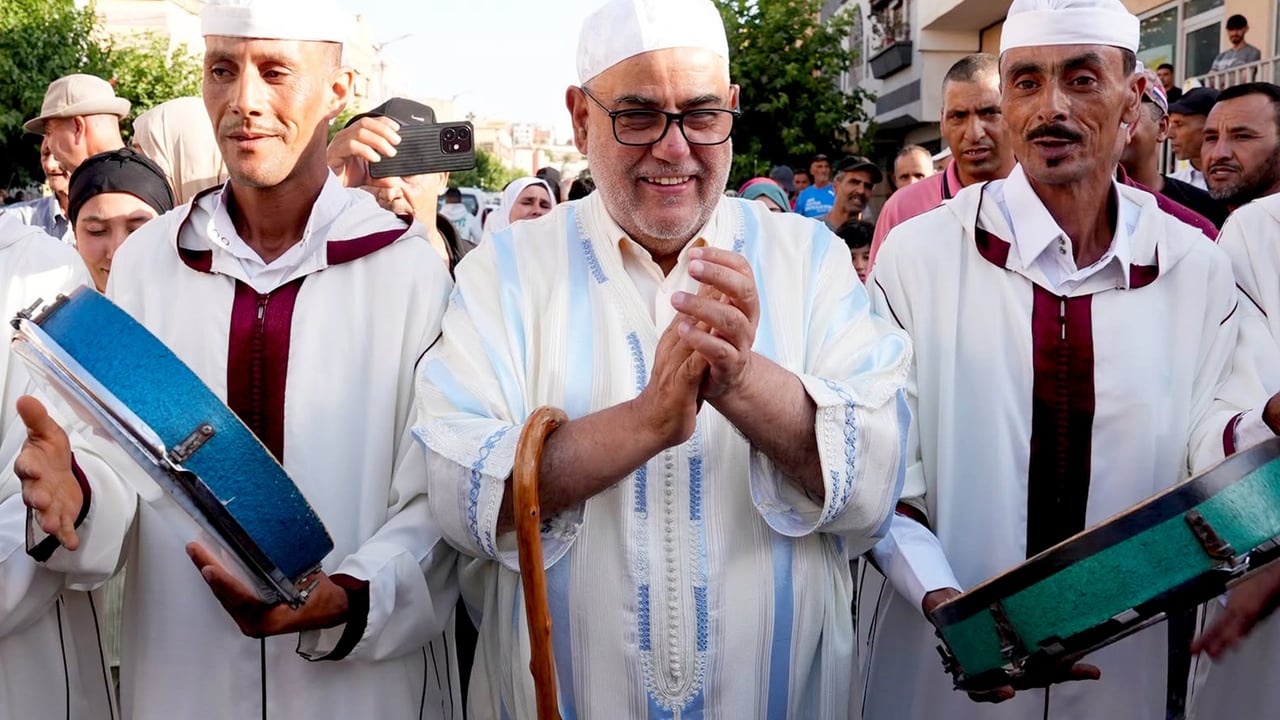

The Moroccan political landscape is witnessing a bold and calculated shift as the Justice and Development Party (PJD) expands its influence across all age groups, from seasoned conservatives to the digitally native Gen Z. At the forefront of this strategy is Abdelilah Benkirane, a seasoned politician whose leadership is reshaping the party’s approach to voter engagement.
a multi-generational appeal that redefines party outreach
The PJD’s latest campaign is not just about traditional rallies or printed manifestos. It’s a dynamic blend of grassroots mobilization and digital savviness, designed to resonate with audiences of all ages. While the party’s core values remain rooted in conservative principles, its messaging has evolved to embrace modern communication channels, ensuring no demographic is left untouched.
For older generations, the party emphasizes stability and continuity, framing its policies as a safeguard for Morocco’s progress. Meanwhile, younger voters are engaged through social media platforms, where short-form videos and interactive content highlight the PJD’s commitment to addressing pressing issues like youth unemployment and educational reform.
bridging the gap between tradition and innovation
The PJD’s strategy hinges on Abdelilah Benkirane’s ability to balance tradition with innovation. His public appearances are carefully curated to reflect both gravitas and relatability. Whether addressing a crowd of elders in a historic city square or participating in a live-streamed town hall with university students, Benkirane adapts his tone to meet the expectations of each audience.
This dual approach has paid dividends. Polls indicate a growing acceptance of the PJD among younger Moroccans, a demographic traditionally less aligned with the party’s conservative base. The shift is subtle but significant, signaling a potential realignment in the country’s political dynamics.
digital engagement: the new frontier for political campaigns
The PJD’s digital transformation is more than a trend—it’s a necessity in today’s political climate. The party’s social media teams craft content that speaks directly to the concerns of Gen Z, from climate change to digital rights. Memes, infographics, and even gamified campaign tools have become staples of their outreach, making politics accessible and engaging for a generation that consumes information in bite-sized formats.
But this isn’t just about superficial engagement. The PJD’s digital strategy includes data-driven insights to tailor messages to specific regions and demographics. By analyzing online behavior, the party can fine-tune its campaigns, ensuring that its core themes—economic development, social justice, and national sovereignty—are communicated effectively to every voter segment.
the role of Mohammed VI in this evolving strategy
No discussion of Moroccan politics is complete without acknowledging the influence of King Mohammed VI. His role as a unifying figure in the country’s governance provides a backdrop for the PJD’s efforts. While the party operates within the framework of Morocco’s constitutional monarchy, its evolving outreach reflects a broader trend of political parties adapting to the changing tides of public opinion.
The PJD’s ability to navigate this landscape speaks to its resilience. By embracing both traditional and modern methods, the party is positioning itself as a formidable force in Morocco’s political future. Whether this strategy will translate into electoral success remains to be seen, but one thing is clear: the PJD is setting a new standard for political engagement in the country.
Comments are closed, but trackbacks and pingbacks are open.