The Sahel region has seen a troubling trend: three neighboring countries—Burkina Faso, Mali, and Niger—are now under the control of military juntas. These regimes share a troubling pattern beyond their borders, including widespread human rights violations and a systematic erosion of civil liberties.
why military rule in the Sahel threatens justice for civilians
These juntas have not only seized power by force but have also systematically undermined accountability for atrocities committed in conflict zones. Civilian populations in Burkina Faso, Mali, and Niger face relentless abuses, from extrajudicial killings to arbitrary detentions, often at the hands of state security forces or allied armed groups.
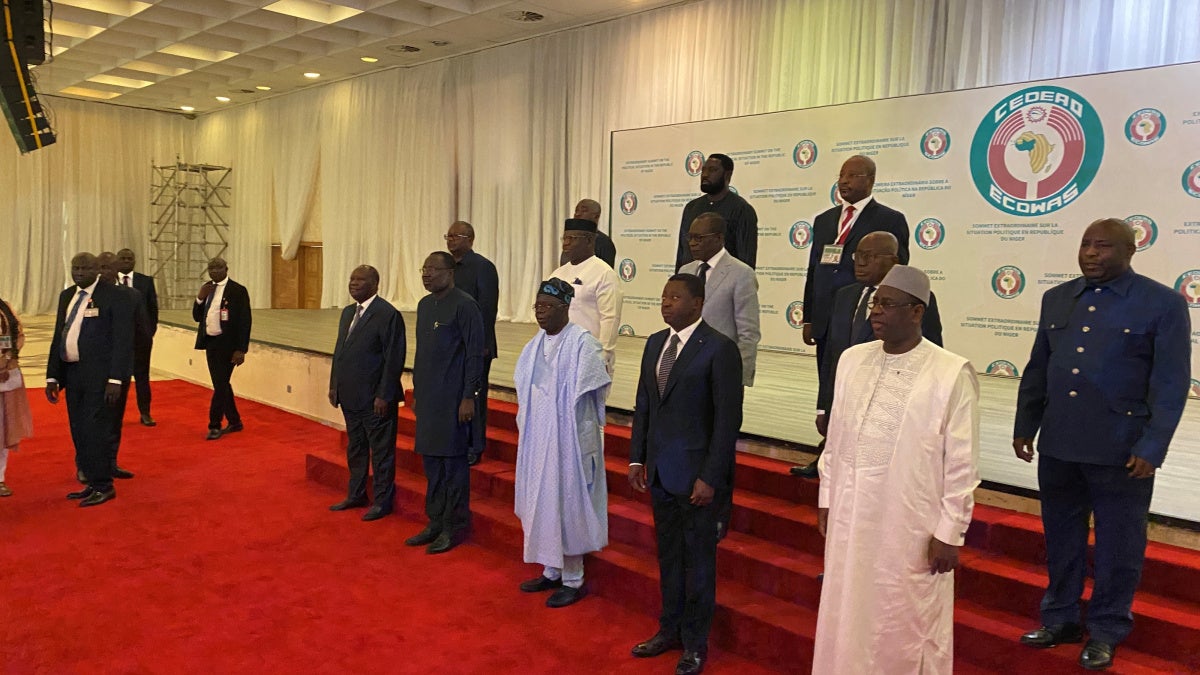
Yet the situation has worsened since each of these nations formally exited the Economic Community of West African States (ECOWAS). At first glance, this move may seem unrelated to the violence and repression unfolding within their borders. However, the withdrawal carries a hidden consequence: it strips victims of a critical legal recourse—the ECOWAS Community Court of Justice.
the role of the ECOWAS court and why its loss matters
Since 2005, the ECOWAS Community Court of Justice has served as a vital institution for human rights justice in West Africa. Unlike traditional courts, it allows citizens to bypass domestic legal systems and bring cases directly to a regional authority. This has been particularly crucial in countries where national judiciaries have been weakened or co-opted by authoritarian regimes.
Over the years, the Court has delivered landmark rulings on human rights violations in Burkina Faso, Mali, and Niger. For victims of state-sponsored abuses, it represented a rare opportunity to seek justice beyond corrupt or paralyzed local courts. But now, with the three nations no longer subject to the Court’s jurisdiction, those avenues are closed.
a calculated move to evade accountability
For military juntas intent on suppressing dissent and covering up atrocities, withdrawal from the ECOWAS system is a strategic maneuver. By severing ties with regional legal oversight, these regimes effectively shield themselves from scrutiny and legal consequences. This leaves victims with no meaningful access to justice—first, because their own courts are dysfunctional, and second, because the regional court is no longer an option.
Local advocates and international observers have condemned this strategy. A Malian political activist now living in exile in France recently stated: “Since seizing power, these military governments have repeatedly failed to hold perpetrators of grave human rights violations to account […]. This latest step only underscores their disregard for human rights and the rule of law.”
the human cost of weakened justice systems in the Sahel
With no functioning legal recourse at home and no regional court to turn to, civilians in Burkina Faso, Mali, and Niger face a stark reality: impunity for war crimes and state violence. The consequences are dire—not only for the victims and their families but for the long-term stability and democratic future of the Sahel.
The formation of a new confederation by the three juntas signals a further retreat from justice and accountability. As one observer noted, “When governments prioritize power over rights, the victims are always the ones who pay the price.”
Comments are closed, but trackbacks and pingbacks are open.