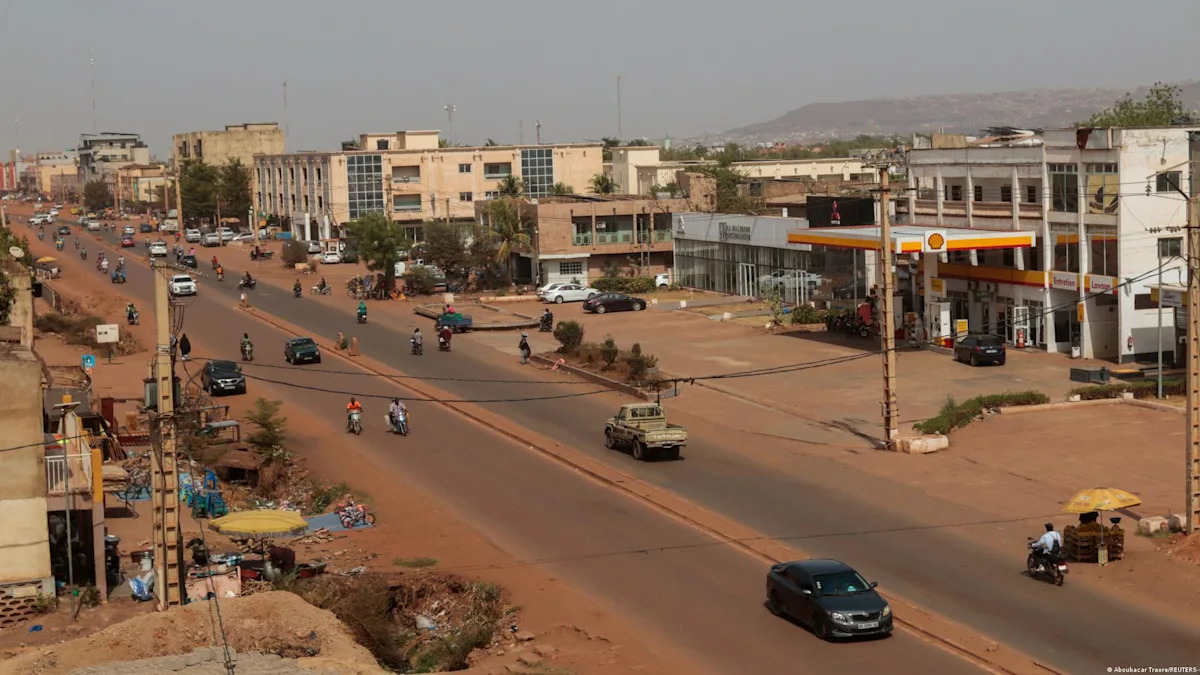
Human rights group urges jihadist groups in Mali to lift blockade
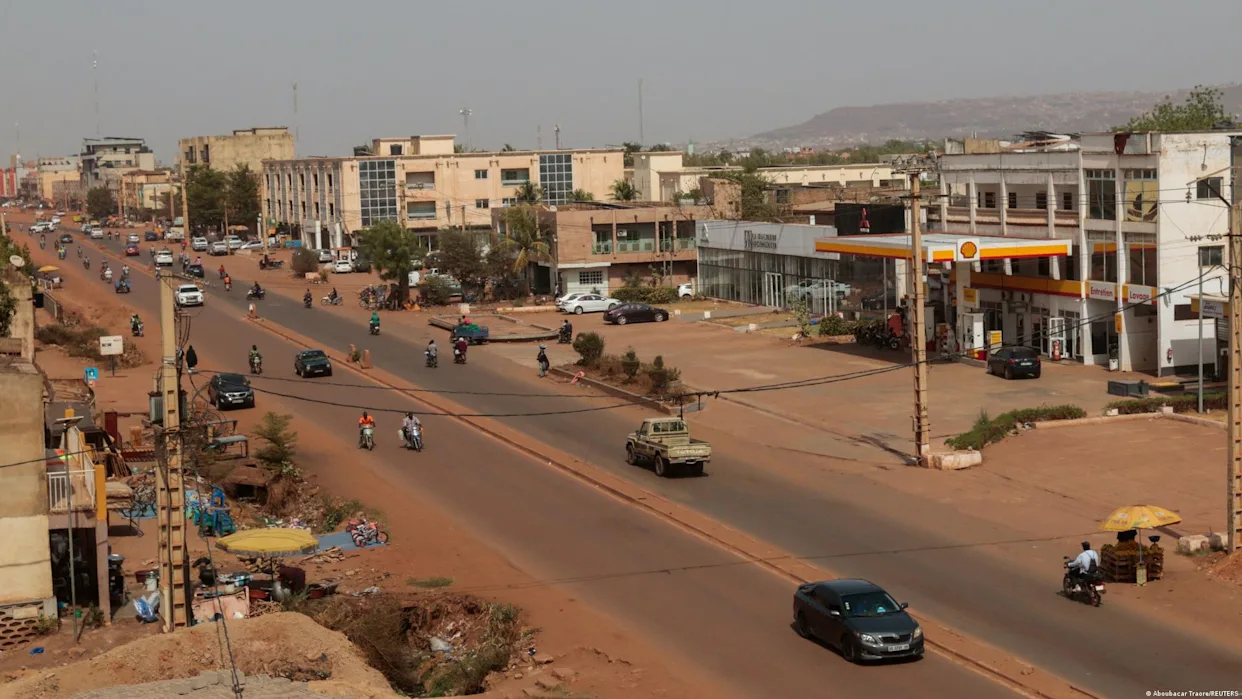
Amnesty International has called on jihadist factions in Mali to immediately lift the blockade imposed on Bamako, warning of dire consequences for civilians. Since April 30, the Group for the Support of Islam and Muslims (JNIM) has restricted access to key roads leading to the capital, exacerbating an already precarious humanitarian situation in this landlocked nation heavily reliant on road imports.
“The current blockade of Bamako is inflicting unacceptable suffering on civilians, threatening their fundamental rights to food security, health, and life,” the organization stated in a press release.
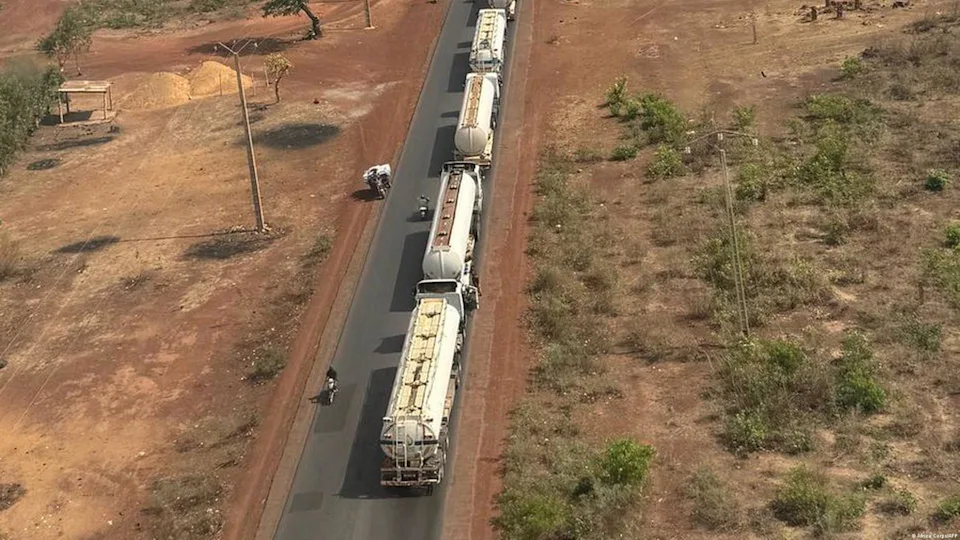
Amnesty International also condemned an attack on May 6 against a convoy of trucks carrying civilian goods—including fruits—between Bamako and Bougouni in southern Mali. According to the NGO, the trucks were not escorted by military personnel and contained no weapons or military equipment.
Military escalation targets Kidal amid rising tensions
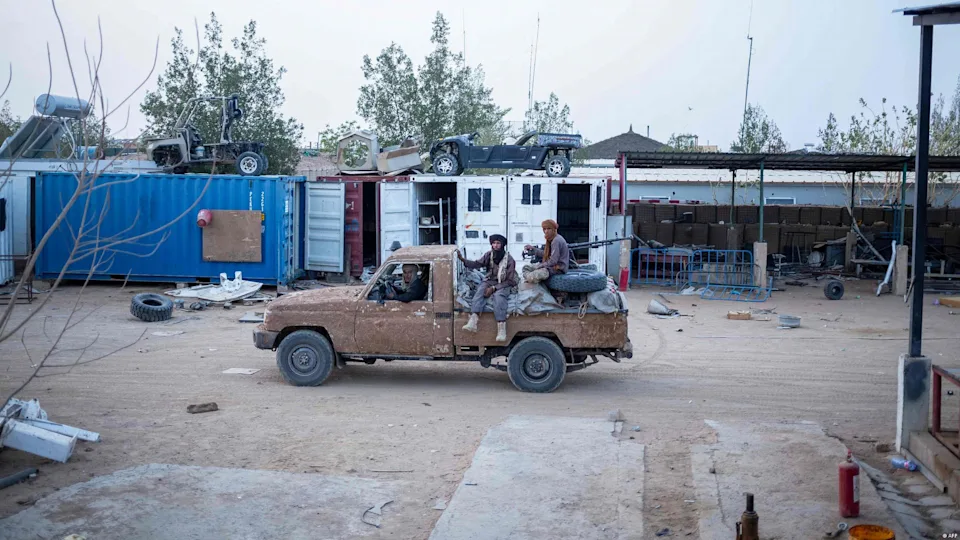
Meanwhile, Malian armed forces have announced plans to intensify airstrikes on the city of Kidal. Under rebel control since late April, Kidal is now held by the National Movement for the Liberation of Azawad (MNLA) and their allies, the JNIM. Military sources report multiple strikes on the city, while separatist leaders claim to be holding 200 Malian soldiers captured during attacks on April 25.
Residents in Kidal report frequent power outages and disrupted telecommunications with the rest of the country. In Gao, another northern city under government control, locals describe a climate of deep mistrust, with food prices soaring—particularly onions, which have doubled in cost.
Analysts warn that the situation reflects a broader strategy to isolate northern regions. “The JNIM’s actions in central Mali signal a deliberate escalation, aiming to seize control of urban centers,” notes political and security analyst Hervé Lankoandé Wendyam.
What is the situation in central Mali?
A local observer confirms that jihadist groups now dominate several areas in central Mali, including the left bank of the Niger River in the Ségou region and parts of Koulikoro. Government presence in these zones remains negligible.
In addition to roadblocks, jihadists are imposing religious taxes (zakat) on hundreds of villages, while hundreds of schools remain shuttered. A January report estimated over 2,300 schools closed across Mali, with the north and center bearing the brunt of the closures.
Researcher Abdoulaye Sounaye highlights a dangerous stalemate: “Both the Malian military and jihadist factions appear to be regrouping and rearming, preparing for potential renewed conflict. Civilians are caught in the crossfire, facing abuses from all sides.”
Experts emphasize that resolving Mali’s security crisis requires inclusive dialogue. “The government must engage with all stakeholders—political, social, and armed—to negotiate a sustainable peace,” argues Ahmed Ould Abdallah of the 4S Center. “A political solution is the only way to end this endless cycle of violence.”
Despite official rejection of negotiations with groups labeled as terrorists, clandestine talks have occurred to secure fuel supplies. Analysts predict future negotiations may become inevitable as pressures mount on all sides.
Comments are closed, but trackbacks and pingbacks are open.