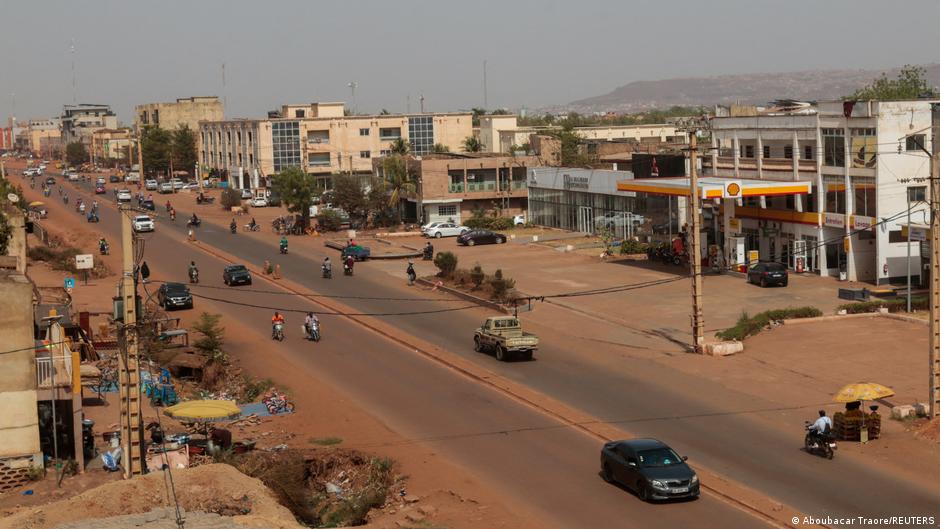
Amnesty International has urgently called on jihadist factions in Mali to end their blockade of Bamako and restore freedom of movement for civilians. The militant coalition Jama’at Nusrat al-Islam wal Muslimin (JNIM) has enforced a two-week-long siege on the capital, cutting off critical supply routes. This stranglehold has left the landlocked nation—heavily reliant on road imports—facing severe shortages and economic strain.
“The ongoing blockade of Bamako is causing unacceptable hardships for civilians, threatening their rights to food, healthcare, and safety,” stated the human rights group in a formal appeal. The organization condemned recent attacks on civilian convoys, including a May 6 incident where JNIM allegedly targeted trucks transporting fruits and vegetables between Bamako and Bougouni without military escort or weapons.
The NGO emphasized that such actions violate international humanitarian law and called for immediate cessation of hostilities targeting non-combatants.
military response escalates in northern strongholds
The Malian Armed Forces have announced intensified airstrikes targeting Kidal, a city under the control of the Azawad Liberation Front (FLA) and JNIM since late April. Military spokesman Colonel Mamadou Diarra confirmed multiple precision strikes on rebel-held positions while acknowledging the presence of 200 Malian soldiers reportedly captured by separatist forces during clashes on April 25.
Local residents describe worsening conditions in Kidal, including near-total power outages and disrupted telecommunications. The city’s isolation has fueled widespread distrust, with civilians caught between conflicting narratives from authorities and armed groups.
In Gao, another northern city under government control, citizens report surging food prices—particularly staples like onions, which have doubled in cost—as a direct result of disrupted supply chains. A resident shared, “We’re told to trust official statements, but reality speaks differently.”
deteriorating security in central Mali
Analysts warn that JNIM’s recent offensive in central Mali—particularly along the Niger River’s left bank in Ségou and parts of Koulikoro—signals a strategic shift toward urban conquest. These areas now operate under de facto jihadist administration, with schools shuttered and impoverished communities forced to pay religious taxes (zakat). Official data reveals over 2,300 schools closed nationwide, with central and northern regions bearing the brunt of closures.
Abdoulaye Sounaye, a Sahel security researcher, notes both sides are in a phase of tactical regrouping. “The Malian regime appears poised for a decisive counteroffensive, while JNIM and FLA forces prepare for potential escalation. Civilians remain trapped in the crossfire,” he cautioned.
pathways to resolution?
Policy experts advocate for inclusive dialogue as the only viable path to peace. Ahmed Ould Abdallah of the 4S think tank argues, “The Malian government must transcend political divides and initiate negotiations with all stakeholders to resolve this crisis.” His colleague, Sounaye, predicts eventual talks: “These forces will ultimately be compelled to find common ground, whether through pressure or exhaustion.”
However, Bamako maintains its official stance against negotiations with groups it labels as terrorists, despite earlier secret fuel-supply agreements with JNIM to alleviate critical shortages.