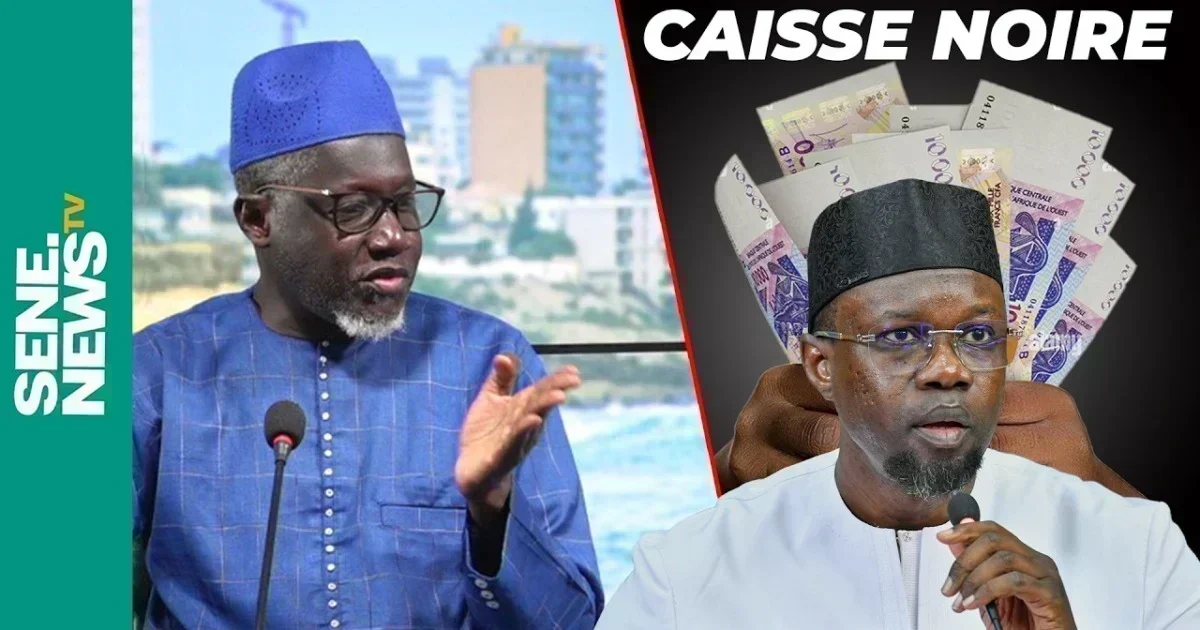
In a revelation that has sent ripples through Senegal’s political landscape, Imam Kanté has disclosed critical details regarding the allocation and oversight of the country’s special funds during Ousmane Sonko’s tenure. Speaking with unfiltered candor, Kanté outlined how these financial resources—often shrouded in secrecy—were utilized, raising fresh questions about transparency in governance.
During an exclusive political briefing, Kanté provided firsthand insights into the mechanisms behind the distribution of these funds. His testimony sheds light on the decision-making processes that governed their expenditure, highlighting potential irregularities that demand closer scrutiny. The revelations come at a time when public trust in financial governance remains fragile, with citizens increasingly vocal about accountability in public office.
Key revelations from Imam Kanté’s testimony
The former insider’s account challenges long-standing narratives about how these funds were managed. Kanté’s disclosures include:
- Lack of oversight: A systematic absence of checks and balances allowed for unmonitored disbursements, with little documentation to justify certain expenditures.
- Political favoritism: Certain allocations appeared to align with partisan interests rather than national priorities, raising concerns about misuse of public resources.
- Procedural gaps: Standard financial protocols were bypassed in multiple instances, leaving room for mismanagement and potential corruption.
The timing of these revelations is particularly significant, as Senegal grapples with economic challenges and heightened demands for reform. Kanté’s account not only exposes past irregularities but also sets the stage for broader discussions on strengthening financial governance in the country.
Public reaction and the call for transparency
News of Imam Kanté’s testimony has sparked intense debate across Senegal’s political spectrum. Citizens, activists, and opposition figures have seized on the revelations to demand greater accountability from political leaders. Social media platforms have buzzed with discussions, while civil society organizations are urging authorities to launch a formal investigation into the allegations.
Ousmane Sonko, the central figure in this controversy, has not yet publicly addressed the claims. His silence has only intensified speculation, with many questioning whether he will respond to the mounting pressure for clarity. Meanwhile, political analysts warn that the fallout from this scandal could reshape the country’s governance landscape in the coming months.
The debate over these revelations underscores a broader crisis of confidence in Senegal’s institutions. As citizens grow increasingly skeptical of their leaders’ commitment to transparency, the call for reform has never been louder. Whether these revelations will translate into tangible action remains to be seen—but one thing is certain: the political arena in Senegal is more volatile than ever.