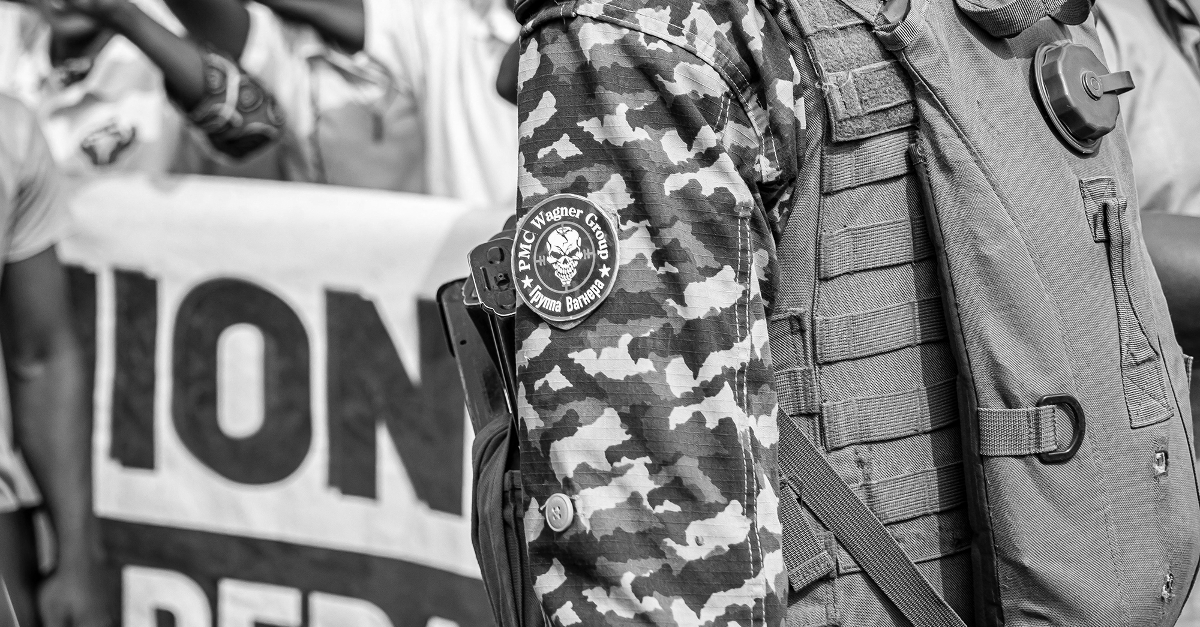
In a move raising eyebrows across European capitals, French security services have reportedly dispatched a confidential note regarding a former member of the controversial Wagner Group currently residing in France. The document, labeled as sensitive by domestic intelligence, underscores the delicate balancing act Paris faces between international obligations and domestic security concerns.
Brussels’ silent campaign against Russia’s shadow fleet
The note arrives amid a broader, low-profile campaign orchestrated by the European Union to disrupt the operations of Russia’s so-called shadow fleet—a network of vessels reportedly used to circumvent Western sanctions on Russian oil exports. While the EU shoulders the visible weight of these diplomatic and economic pressures, behind the scenes, a select group of member states are quietly compiling and relaying intelligence to Brussels.
Among them, Cameroon has taken the most visible step by tightening regulations on its maritime registry to prevent the fraudulent use of its flag, a move that directly impacts the shadow fleet’s ability to operate under foreign jurisdictions.
National actions, EU-wide implications
France’s involvement in this intelligence exchange reflects the broader challenge facing European governments: how to reconcile their commitment to sanctions enforcement with the operational realities of global shipping networks. The DGPN’s note suggests that Paris is carefully monitoring the situation, particularly concerning individuals connected to the Wagner Group, whose activities have drawn increasing scrutiny in recent years.
While the note’s contents remain classified, its very existence signals a growing awareness within European intelligence circles of the need for coordinated action. The shadow fleet’s resilience—despite sanctions—has forced governments to rethink their strategies, blending traditional enforcement with more discreet, intelligence-led approaches.
Implications for West African registries
The tightening of maritime regulations in Cameroon is not an isolated incident. Several West African nations, whose registries have historically been exploited for their leniency, are now under pressure to align with international standards. This shift could have significant consequences for the shadow fleet’s ability to operate in the region, forcing a reevaluation of its logistical routes and partnerships.
Comments are closed, but trackbacks and pingbacks are open.