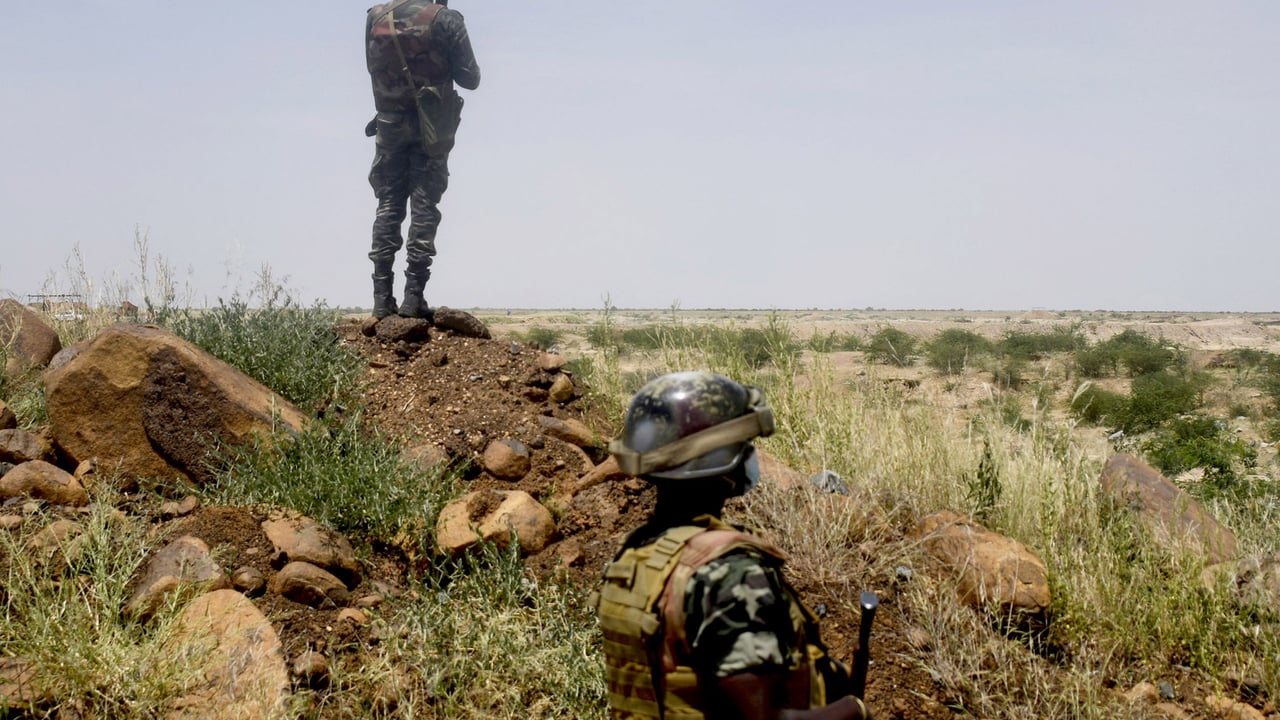

The Tillabéri region in Niger has once again become the epicenter of brutal jihadist violence. On January 18, fighters from the Islamic State in the Greater Sahara (EIGS) launched a deadly attack on the village of Bossiye, leaving 31 men and children dead in their wake.
According to reports gathered by Human Rights Watch, the assault unfolded around midday when approximately 100 heavily armed militants stormed the village on motorcycles. Their rampage resulted in a tragic loss of innocent lives, underscoring the relentless threat posed by extremist groups in the region.
Understanding the Tillabéri crisis
The Tillabéri region, located in western Niger, borders Mali and Burkina Faso, forming part of the volatile ‘three borders’ zone. This area has been plagued by recurring attacks from jihadist factions, including the EIGS, which exploit the region’s instability to expand their influence.
The recent massacre in Bossiye is not an isolated incident but rather a stark reminder of the escalating violence gripping the Sahel. Local communities bear the brunt of these attacks, facing displacement, loss of livelihoods, and a climate of fear.
International response and regional tensions
The surge in jihadist activity has prompted urgent calls for international intervention. Regional and global entities are under pressure to bolster security measures and provide humanitarian aid to affected populations. However, the complex nature of the conflict—rooted in socioeconomic disparities, weak governance, and porous borders—poses significant challenges.
As the situation in Tillabéri continues to deteriorate, the need for coordinated action becomes ever more critical. Efforts to dismantle extremist networks and restore stability must be prioritized to safeguard vulnerable communities.
What’s next for the Sahel?
The future of the Sahel hinges on a multifaceted approach that combines military, political, and humanitarian strategies. While security operations are essential, long-term solutions must address the underlying issues fueling extremism, including poverty, unemployment, and lack of access to education.
For residents of Bossiye and similar communities, survival remains uncertain. The international community’s response will play a pivotal role in determining whether the region can reclaim its peace or succumb to further turmoil.
The latest attack in Tillabéri serves as a grim testament to the persistent threat of jihadist violence in the Sahel. As governments and organizations grapple with this crisis, the plight of civilians caught in the crossfire remains a pressing humanitarian concern.