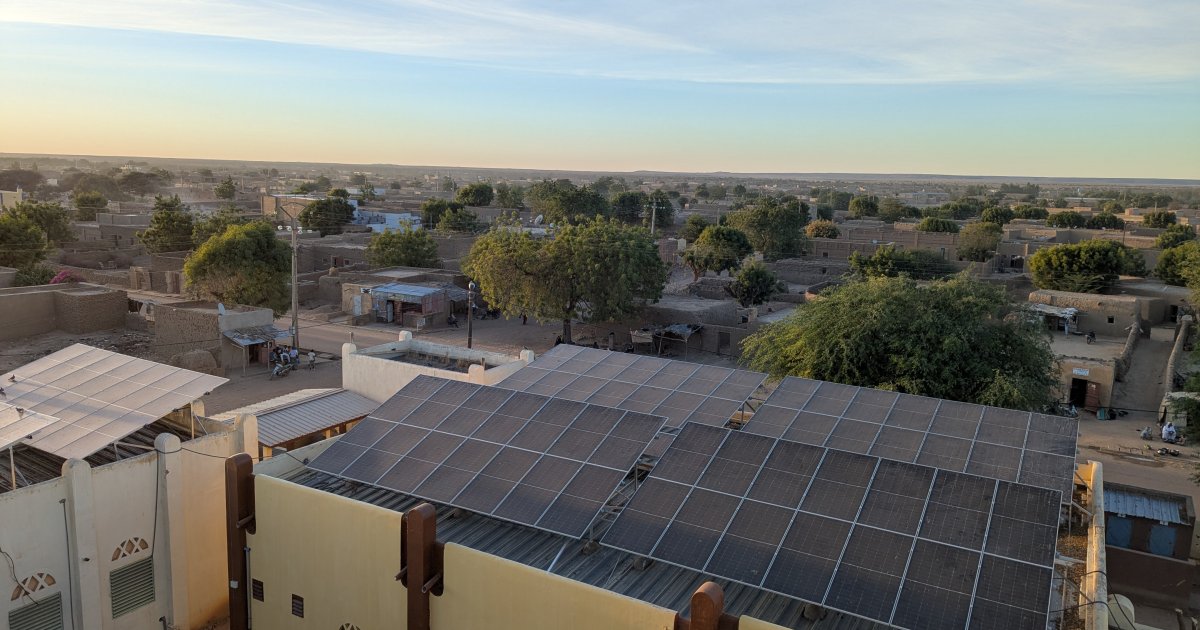
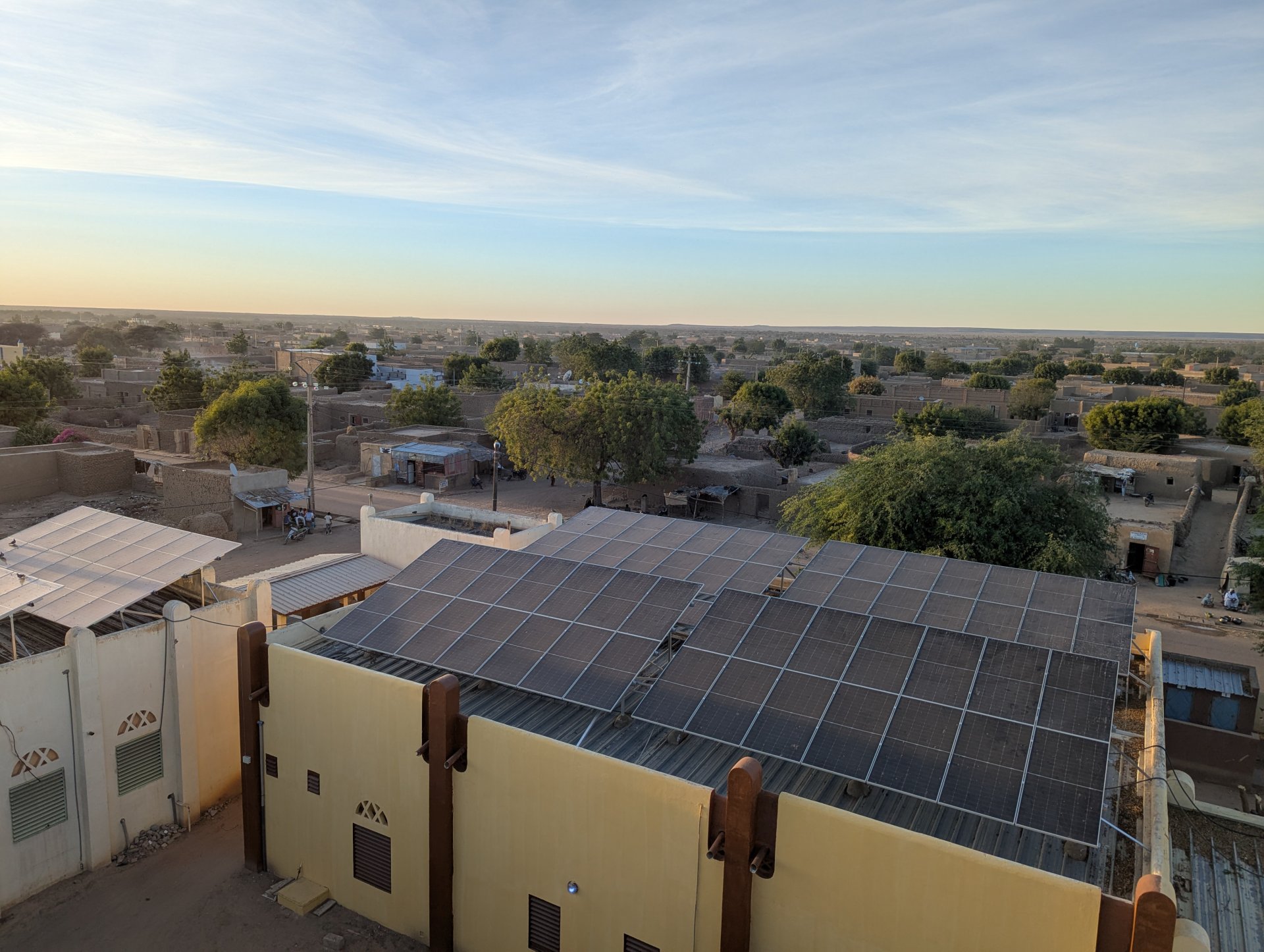
In the Timbuktu region of northern Mali, MSF has equipped the Niafounké hospital with a modern solar panel system. This shift toward renewable energy boosts the facility’s independence and ensures medical services remain uninterrupted in a remote area facing significant security challenges.
Previously, the hospital relied almost entirely on a diesel-powered thermal plant, which was prone to frequent blackouts. To maintain operations, medical teams had to use a generator daily, leading to high costs and inconsistent reliability. Today, the new photovoltaic setup meets roughly 60% of the hospital’s power requirements, significantly cutting down on fuel reliance.
This energy transition slashes expenses related to generator maintenance and diesel procurement, allowing more funds to be directed toward patient care. It secures life-saving services, such as oxygen concentrators for newborns and children, emergency surgeries, laboratory operations, and the cold chain for blood transfusions.
The system boasts a 90 kWc capacity supported by 210 kWh lithium battery storage and an 80 kVA backup generator. This hybrid approach allows the hospital to toggle between solar power, the local grid, and the generator, providing consistent electricity throughout the day and night.
For patients, this energy stability has a direct impact on their lives. Fadi, who fled her village of Léré due to threats from armed groups, found safety in Niafounké with her family. She now brings her son, Ousmane, to the pediatric ward. In a context of displacement and vulnerability, having access to dependable medical care is a vital lifeline.
This project is part of MSF’s Green Initiative, a global strategy to lower the environmental impact of humanitarian work while boosting operational efficiency. Similar hybrid solar systems are being deployed across the Sahel to bypass the logistical difficulties and pollution associated with transporting diesel to isolated regions.
Beyond the ecological perks, the reduction in energy costs allows resources to be reinvested into medical services. Solar energy stabilizes the functioning of laboratories and essential hospital departments, improving both the working conditions for staff and the quality of care for the community.
In fragile humanitarian settings, solar energy is more than just a technical fix; it is a tool for resilience and hope. Since 2019, MSF has managed pediatric care for children under 15 at Niafounké hospital. The organization also supports four community health centers and provides primary healthcare in the isolated villages of the Gourma area within the Timbuktu region.