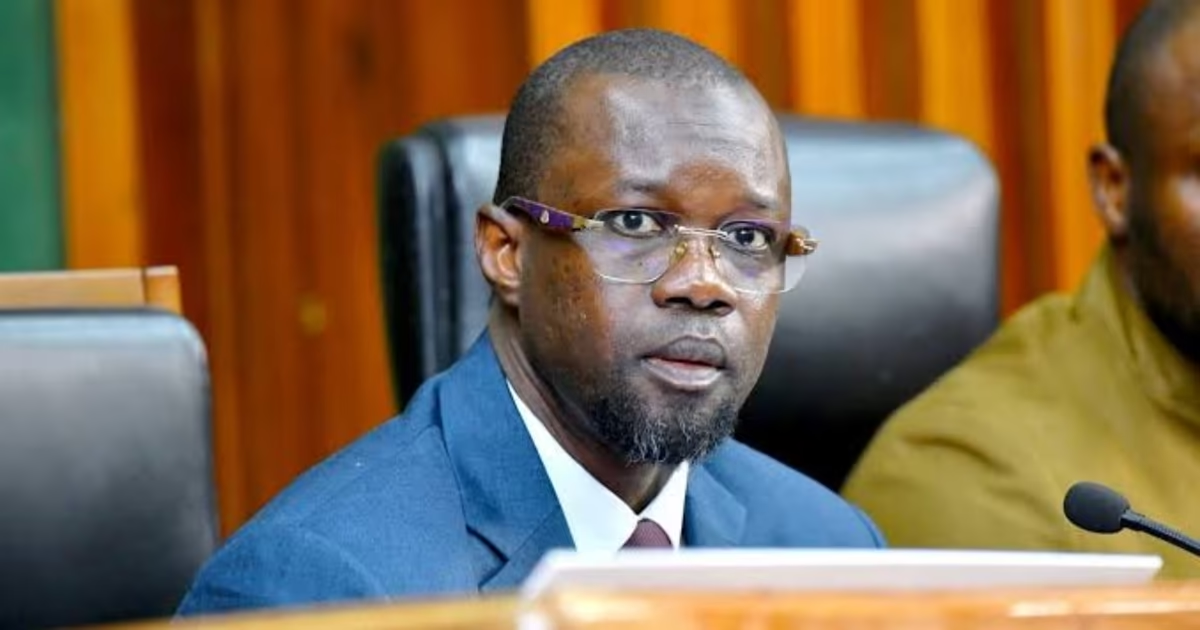
Behind closed doors at Senegal’s National Assembly: Ousmane Sonko’s legislative agenda
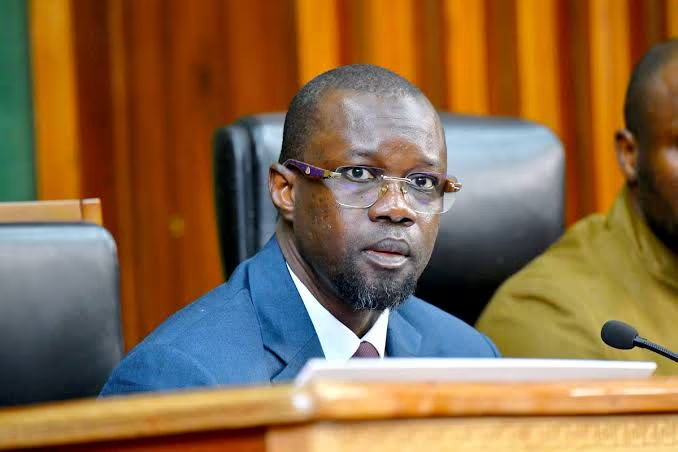
Ousmane Sonko is championing a groundbreaking bill that would require presidents to declare their assets upon leaving office, a move already backed by the Justice Minister.
Senegal’s National Assembly is gearing up for a packed legislative session, with institutional reforms, parliamentary inquiry commissions, and strategic bills taking center stage. Spearheaded by Ousmane Sonko’s majority coalition, this agenda reflects a bold push for greater transparency, accountability, and public oversight in governance.
A flagship initiative in this legislative push is the proposed amendment to Article 37 of the Constitution. The bill would mandate that the President of the Republic submit a comprehensive asset declaration upon completing their term. Early signals suggest strong support from the Justice Minister, who advocates for this requirement to extend uniformly to all senior public officials. Another critical focus is the regulation of political funds, long plagued by opacity. A stricter legal framework is now under consideration to enhance traceability and accountability in political financing.
The Bureau of the National Assembly has also greenlit the establishment of three parliamentary inquiry commissions. The first will scrutinize state-owned real estate management, particularly following controversies surrounding the Cité Fayçal and Sogepa’s operations. A second commission will revisit the long-delayed TRS dossier, a legislative priority for the Takku Wallu parliamentary group. Meanwhile, the Executive is prioritizing several ratification bills, including the long-awaited Petroleum Code, reflecting the strategic importance of energy sector reforms in Senegal’s economic future.